















Conducting a regular Nose-to-Tail At-Home Health Exam is one of the most powerful tools a Canadian pet owner has to ensure their companion's longevity. While we often rely on annual checkups at the clinic, a lot can change between the blooming of the Trilliums in spring and the first heavy snowfall in December. By establishing a systematic, proactive routine, you can identify subtle changes in your pet’s anatomy—such as shifting lymph nodes or altered gum colour—long before they become emergency situations. This guide provides the tactile detail and structured approach needed to confidently monitor your pet's baseline health from the comfort of your living room.
The Face and Oral Health: Beyond the Smile
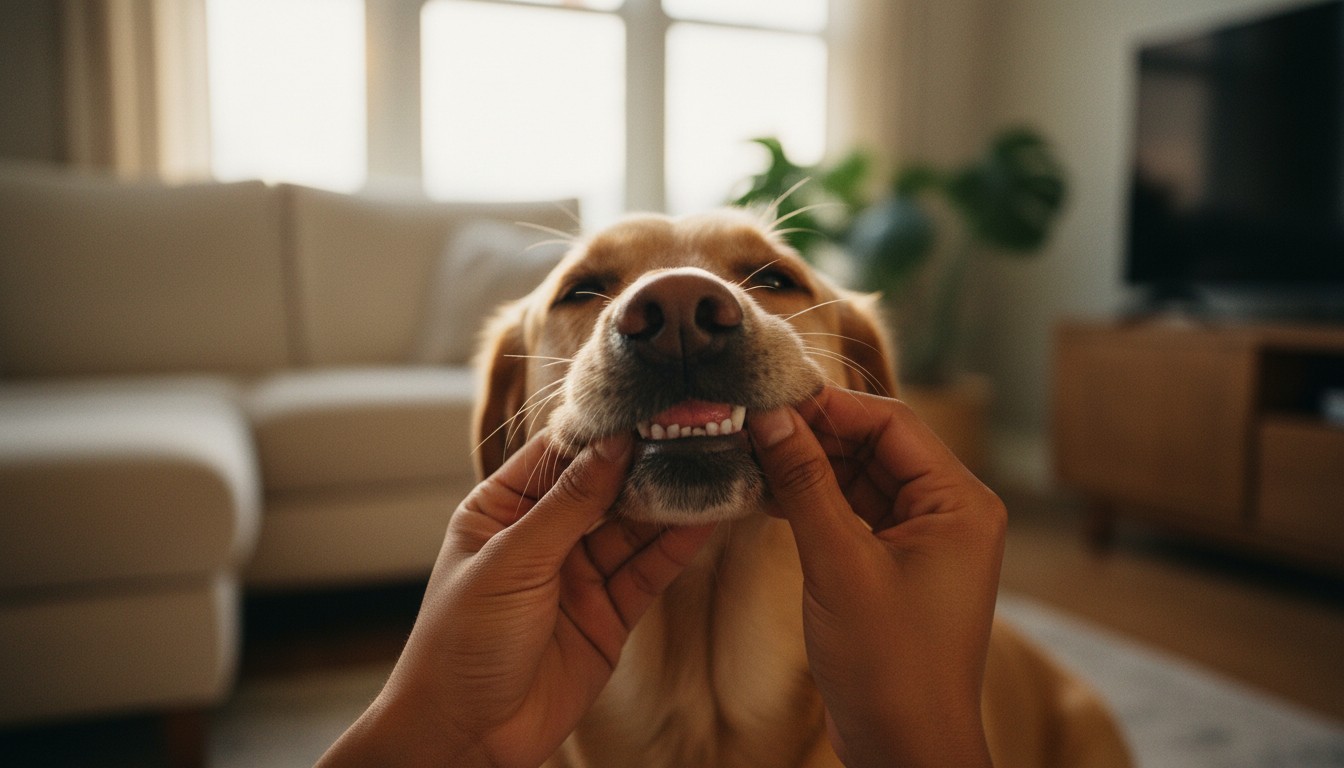
Begin your exam at the head, focusing on the eyes, nose, and mouth. The eyes should be clear and bright, without discharge or redness. In the dry Canadian winter, some pets may experience slight nasal crusting, but any significant discharge should be noted. The most critical part of this section is the oral exam. Gently lift the lip to inspect the gums; they should be a healthy bubblegum pink.
Perform a Capillary Refill Time (CRT) test by pressing your finger firmly against the gum until it turns white. When you release, the pink colour should return in less than two seconds. If the gums are pale, blue, or take longer to 'pink up,' it could indicate circulation or oxygenation issues. Check for 'tartar' build-up or red lines along the gumline, which are early indicators of periodontal disease. This is also a great time to check for 'dog breath' that smells unusually sweet or like ammonia, as these can be signs of systemic issues like diabetes or kidney strain.
The Feel Test: Inspecting the Skin, Coat, and Lymph Nodes
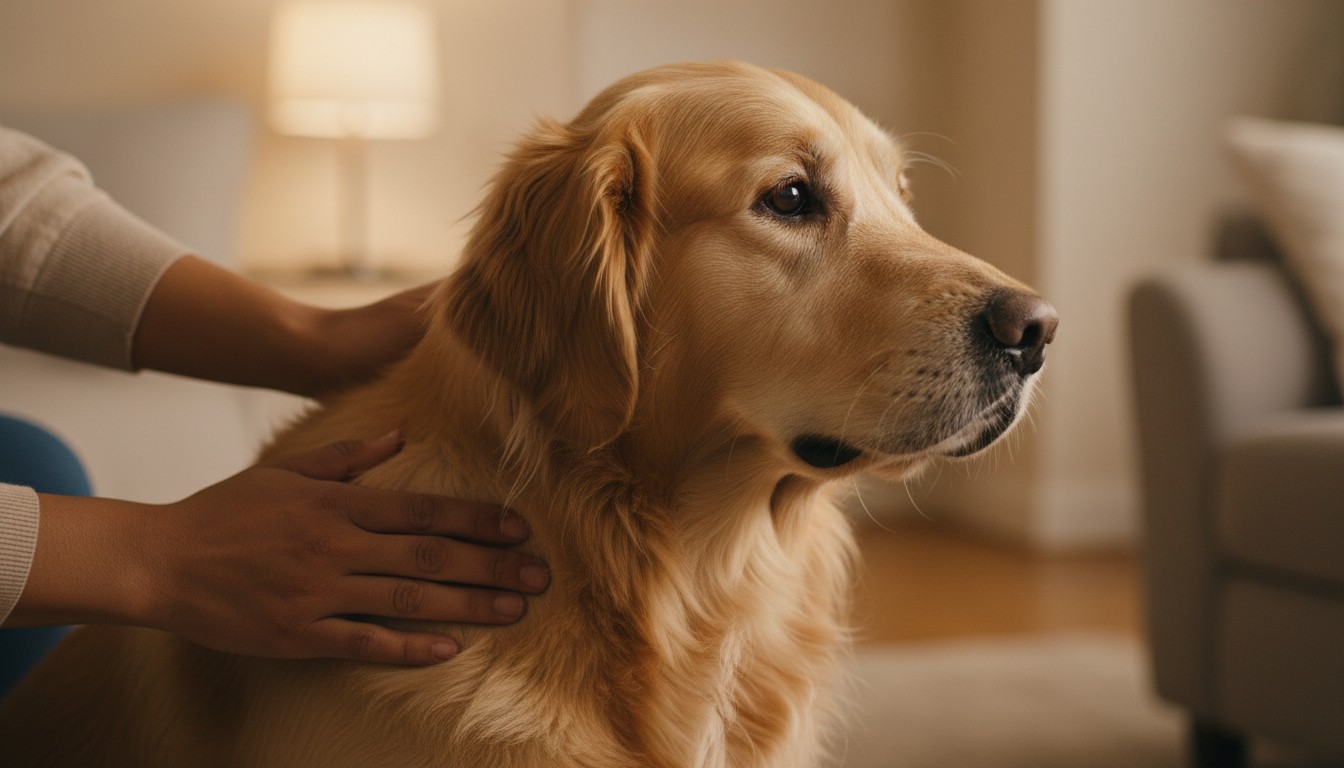
Run your hands over your pet’s entire body, moving from the neck down to the tail. In Canada, our pets deal with varied humidity, so watch for dry, flaky skin or 'hot spots' that can occur during humid summers. Use the flat of your palms to apply gentle pressure, feeling for any new lumps, bumps, or irregularities. Pay close attention to the five major pairs of peripheral lymph nodes.
The most accessible are the submandibular nodes located under the jaw where it meets the neck. They should feel like small, firm grapes. If they feel like large walnuts, it warrants a vet visit. Other nodes include the prescapular (front of the shoulder) and popliteal (behind the knee). Knowing what these feel like when your pet is healthy allows you to recognise 'lymphadenopathy' (swelling) immediately. Always check the 'axillary' (armpit) and 'inguinal' (groin) areas for any heat or unusual sensitivity, especially after long hikes in the bush where ticks might hide.
Chest and Abdominal Palpation Techniques
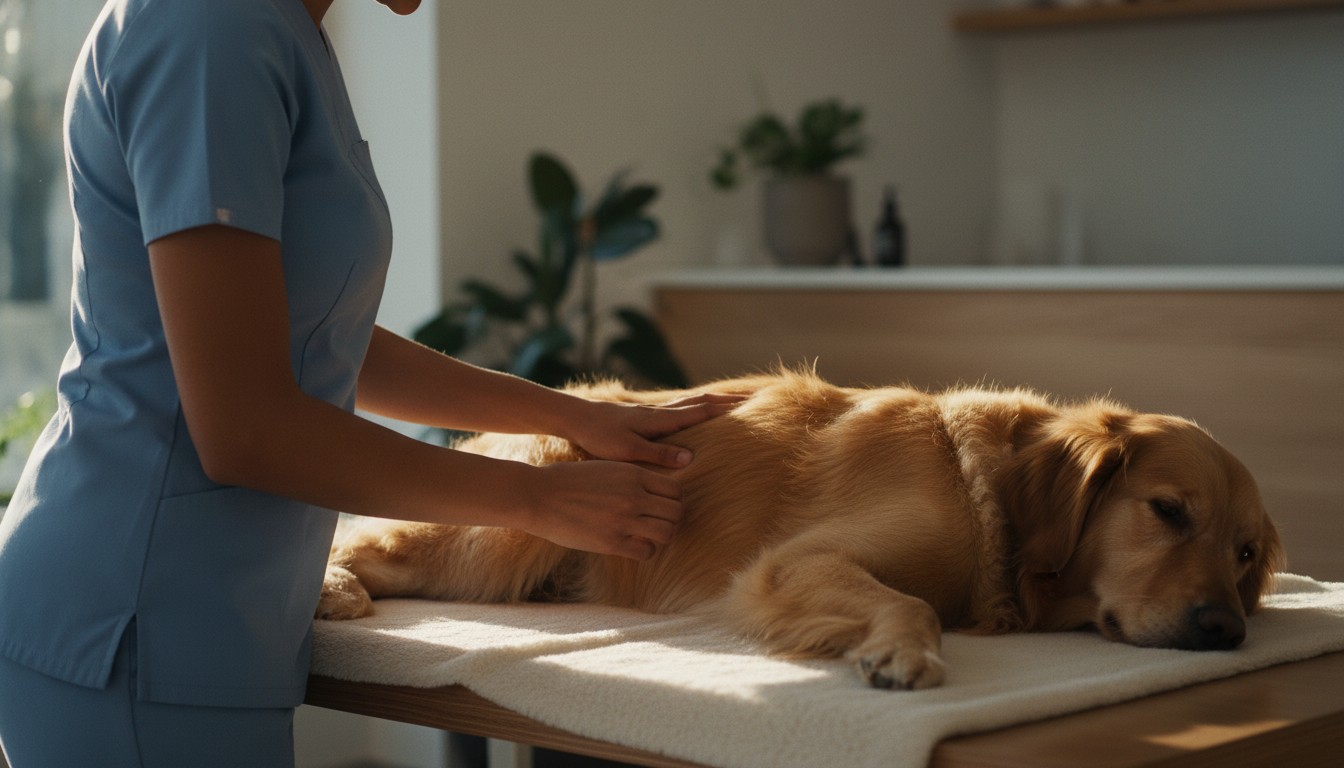
Assessing the 'engine room' of your pet requires a soft touch. Start by placing your hand on the chest to count the resting heart rate and respiration. A normal resting dog usually breathes 15–30 times per minute. Move back to the abdomen, just behind the ribcage. Using 'piano fingers'—a gentle, rhythmic movement—press upwards into the belly.
The abdomen should feel soft and pliable, like a slightly deflated balloon. If your pet tenses up, groans, or if the area feels 'tucked up' and hard (often called a 'board-like' abdomen), they may be experiencing internal pain or bloating. Be aware that deeply chested breeds are prone to gastric torsion, so any sudden firming of the belly is an emergency. In the winter months, ensure their belly isn't showing signs of frostbite or irritation from road salts used on Canadian sidewalks. If you feel anything hard or 'lumpy' inside the abdominal cavity, note the location (left side vs right side) to provide specific details to your veterinarian.
Limbs, Paws, and Mobility Assessment
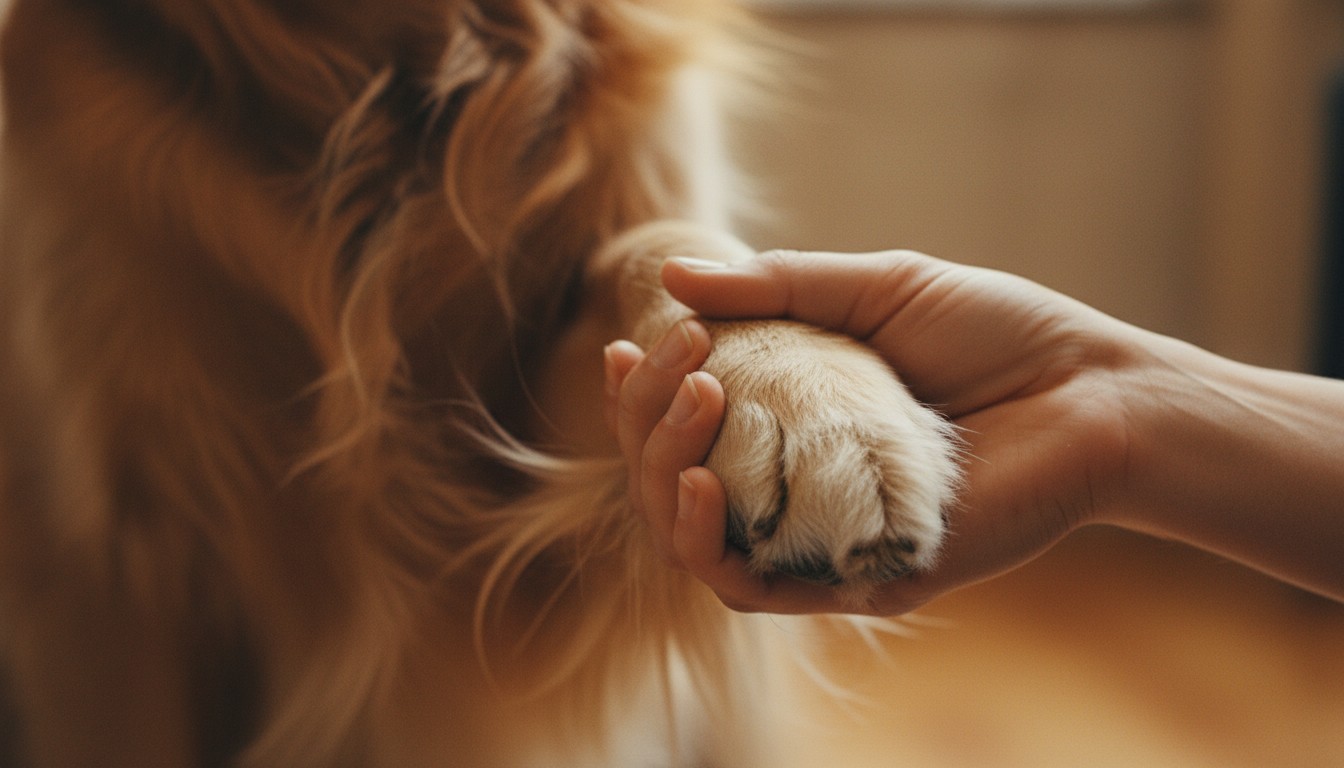
Canadian winters are notoriously tough on paws. Inspect each paw pad for cracks or chemical burns from de-icing salts. Between the toes, look for 'interdigital cysts' or trapped debris. Gently flex and extend each joint—shoulders, elbows, hips, and knees—watching for signs of stiffness or 'crepitus' (a grinding sensation).
As pets age, especially in colder climates, osteoarthritis can flare up. If your dog is reluctant to jump into the car or your cat is no longer perched on the highest shelf of the cat tree, these are subtle signs of mobility loss. Check the claws; if they are clicking loudly on your hardwood floors, they are too long and can alter the 'biomechanics' of the foot, leading to joint strain. If you use booties for the snow, check for rubbing or sores around the 'carpal pads' (the little pads higher up on the front legs). Consistency in checking these areas ensures that your pet stays mobile and active through every season, from the heat of a Vancouver summer to a deep freeze in Winnipeg.
Troubleshooting Common Exam Challenges
Not every pet will sit still for a 10-minute medical inspection. If your pet is 'wiggly' or anxious, do not force the exam. This can create a negative association and make future checks impossible. Instead, break the exam into smaller 'mini-checks.' You might check the ears and eyes during a morning cuddle, and the paws while they are relaxing in the evening.
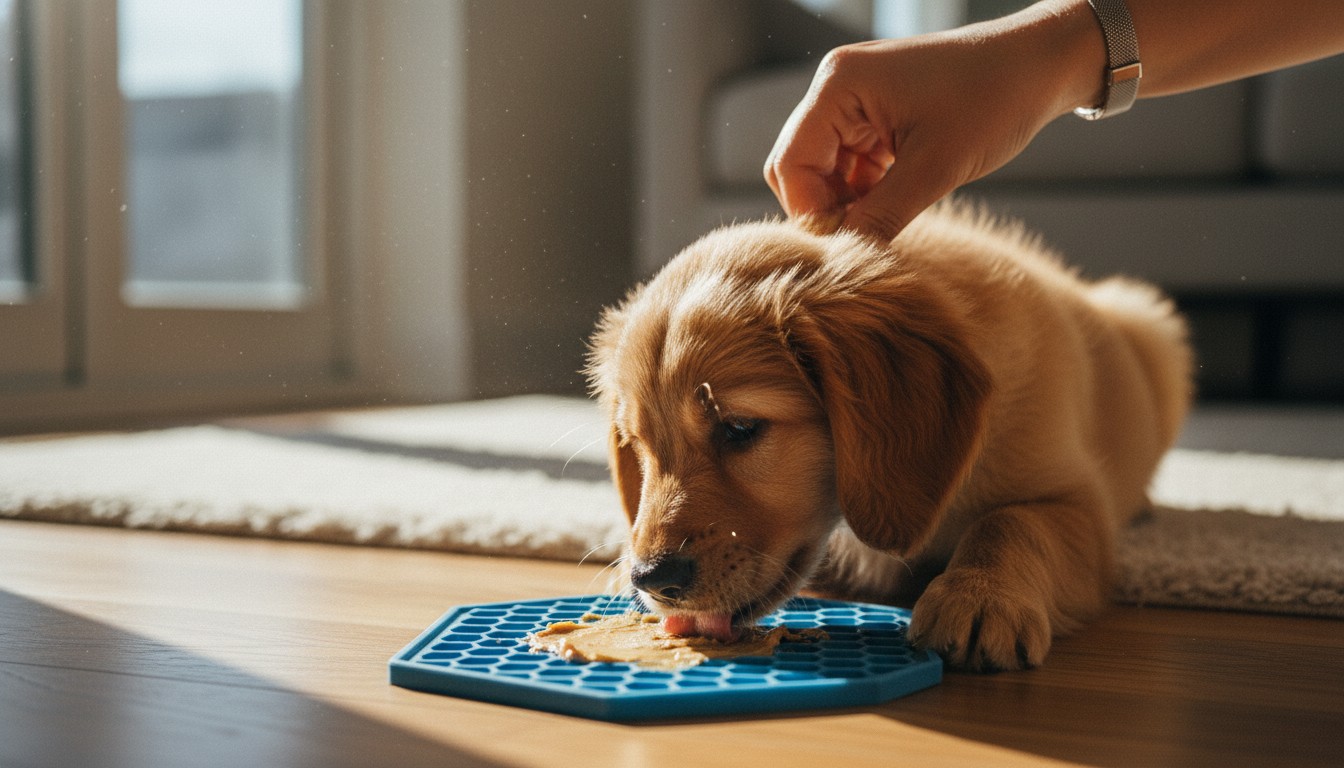
Use high-value rewards, such as a bit of plain yogurt or a local Canadian treat, to keep them occupied. If you find something concerning, like a lump, don't panic. Take a photo with a coin (like a Loonie or Toonie) next to it for scale, and note whether it moves under the skin or feels attached to the underlying tissue. This information is invaluable for your vet. If your pet shows aggression or extreme fear during any part of the tactile exam, it may be a sign of hidden pain. Stop immediately and consult a professional behaviourist or your veterinarian to discuss 'low-stress' handling techniques.
When to Transition from Home Exam to Vet Visit
While the Nose-to-Tail At-Home Health Exam is a powerful monitoring tool, it is not a replacement for professional veterinary diagnostics. You should seek professional help if you notice 'red flag' symptoms during your check. These include persistent lethargy, a cough that sounds like 'honking,' gums that are white or brick-red, or any new lump that is growing rapidly or feels 'fixed' in place.
In Canada, be particularly mindful of seasonal risks. If you find an embedded tick during your skin check, especially in Ontario or the Maritimes where Lyme disease is prevalent, don't just pull it out; save it in a small container for testing. Safety is paramount: never attempt to 'fix' a problem you find at home, such as draining a cyst or medicating an ear infection with over-the-counter human products from Shoppers Drug Mart without veterinary approval. Your home exam provides the 'data,' but your vet provides the 'diagnosis.' By keeping a weekly log of your findings, you become a vital partner in your pet's healthcare team.
FAQ
How often should I perform a nose-to-tail exam on my pet?
Ideally, once a week. This frequency helps you establish a 'baseline' for what is normal, making it much easier to spot subtle changes like new lumps or weight fluctuations before they become serious.
What does it mean if my dog's gums are pale pink or white?
Pale or white gums can indicate a medical emergency, such as anaemia, shock, or internal bleeding. If you notice this during your exam, contact your veterinarian or an emergency clinic immediately.
I found a lump on my dog; how do I know if it's an emergency?
Most lumps aren't immediate emergencies, but they should be evaluated. If the lump is growing quickly, feels hard and fixed to the bone, is red/ulcerated, or is causing your pet pain, you should book an appointment within 24-48 hours.
Are there specific things I should look for during a Canadian winter?
Yes, pay extra attention to paw pads for salt irritation and the 'tips' of the ears for signs of frostbite (discolouration or coldness). Also, check for dry, itchy skin caused by indoor heating and lower humidity.
Conclusion
Performing a systematic Nose-to-Tail At-Home Health Exam is the cornerstone of proactive pet ownership in Canada. By spending just ten minutes a week checking your pet’s vitals, lymph nodes, and overall condition, you move from being a reactive owner to a proactive guardian. Remember that you are the expert on your pet's daily behaviour and physical state; your observations are often the first line of defence against chronic illness. If you find anything out of the ordinary, don't hesitate to reach out to your local veterinary clinic. Armed with the tactile techniques and seasonal awareness covered in this guide, you are now better equipped to ensure your pet enjoys many healthy years by your side, through every Canadian season.
References & Sources
This article was researched using the following sources:

