














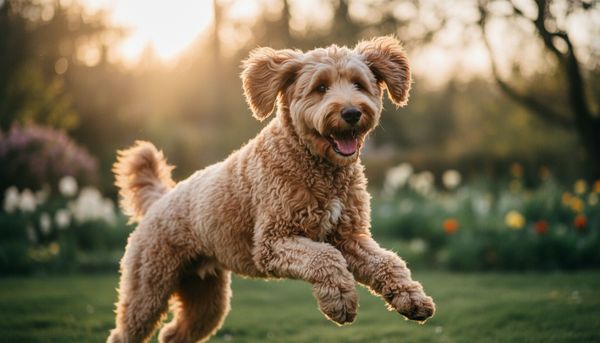
For many Canadian dog owners, the winter season brings more than just snow; it brings the dreaded 'coat funk.' You might spend twenty minutes every evening running a brush over your Golden Retriever or Goldendoodle, yet your groomer still finds mats tight against the skin. This common frustration occurs because surface brushing only addresses the top layer of the coat. To truly maintain a healthy, tangle-free dog, you must master line brushing. Line brushing is the professional technique of systematically parting the hair to the skin and brushing from the root outward. This ensures the undercoat is clear of dead hair and debris, preventing the 'pelting' that often leads to a mandatory shave-down at the grooming salon. Whether you are dealing with the humid summers of Southern Ontario or the slushy winters of the Maritimes, understanding this technique is the single most important skill for long-haired dog maintenance.
The Illusion of a Clean Coat: Why Surface Brushing Fails
Many pet owners are surprised when their groomer mentions matting, especially after they have put in the daily labour of brushing. The issue lies in the anatomy of a double or long coat. Most standard brushes only reach the top 'guard hairs.' Beneath these lies the soft, dense undercoat—the area where mats actually form. When snow, moisture, or even friction from a winter harness hits the coat, the undercoat fibres begin to twist together. If you only brush the surface, you are essentially 'polishing the top' while leaving a growing felt-like layer underneath known as pelting.
Pelting is not just an aesthetic issue; it is a health concern. It traps moisture against the skin, leading to 'hot spots' or fungal infections, and can actually restrict a dog's movement as the skin is pulled tight by the mats. In Canada's varied climate, from the dry Prairies to the damp West Coast, the undercoat reacts differently to the environment. Without reaching the skin during your grooming sessions, you are missing the most critical part of the coat's health. Professional groomers use line brushing because it is the only way to verify that the entire length of the hair shaft is free of obstructions.
The Step-by-Step Technical Guide to Line Brushing
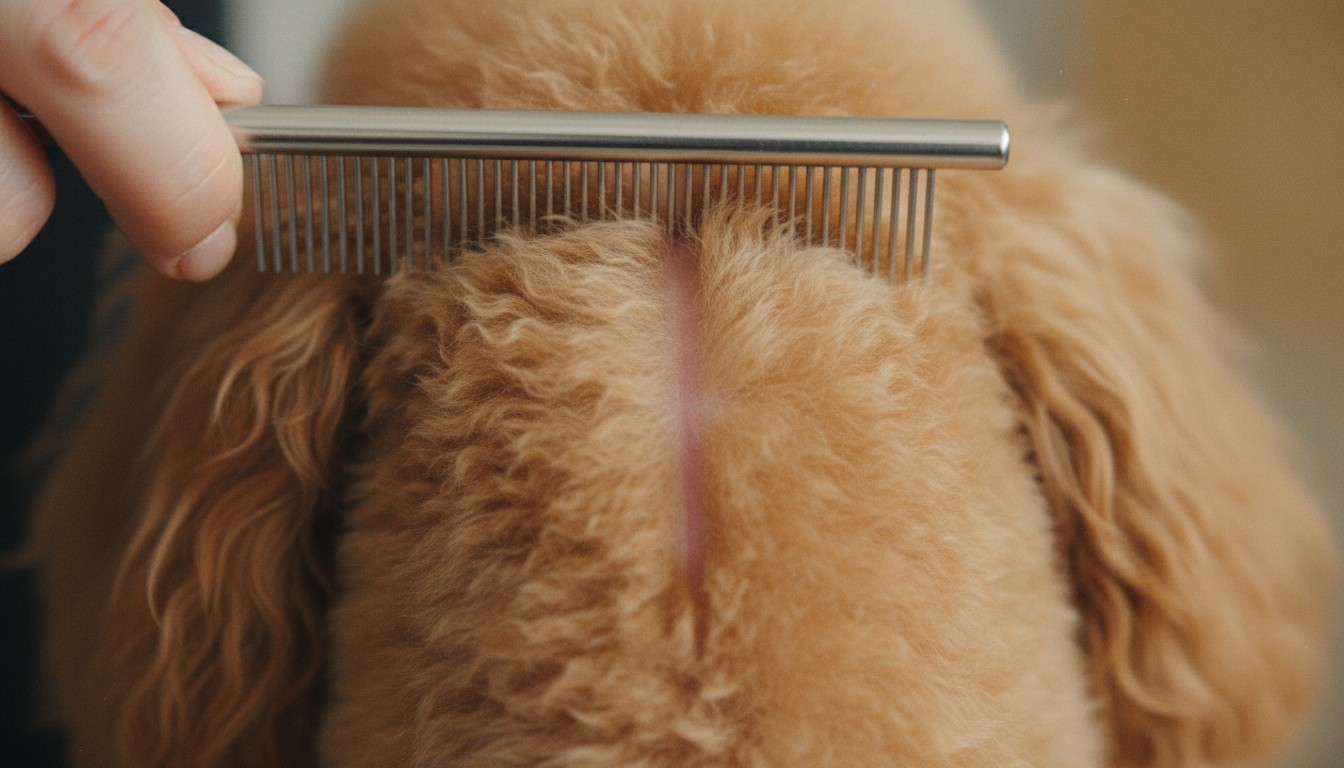
To begin line brushing, start at the bottom of the dog—usually the hock or the base of the tail—and work your way upward. Use your non-dominant hand to push the hair up, exposing a 'line' of skin. With your dominant hand, take a slicker brush and gently brush a small section of hair downward from that line. You should be able to see the skin clearly as you work. Once that section is smooth, move your hand up about an inch, creating a new line of exposed skin, and repeat the process.
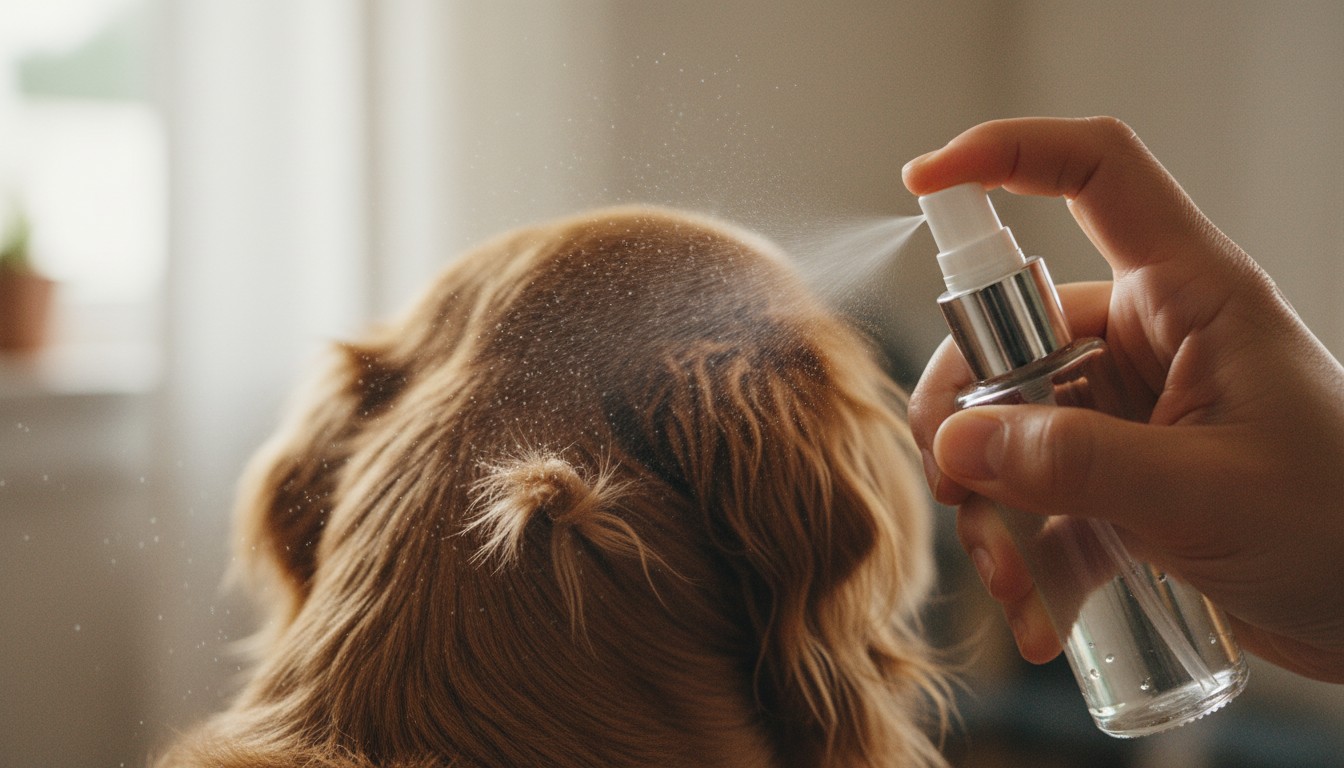
This systematic approach ensures no patch of fur is overlooked. It is particularly important in high-friction areas: behind the ears, the armpits (where the harness rubs), and the 'trousers' on the back legs. If your brush catches on a snag, do not pull. Instead, use short, pat-and-pull strokes to tease the knot apart. If you find a knot that won't budge, apply a small amount of detangling spray—many Canadian pet stores like Ren's Pets or Pet Valu carry high-quality conditioners that provide the necessary 'slip' to break down the friction between hair fibres without causing pain to your dog.
Essential Tools for the Canadian Dog Owner
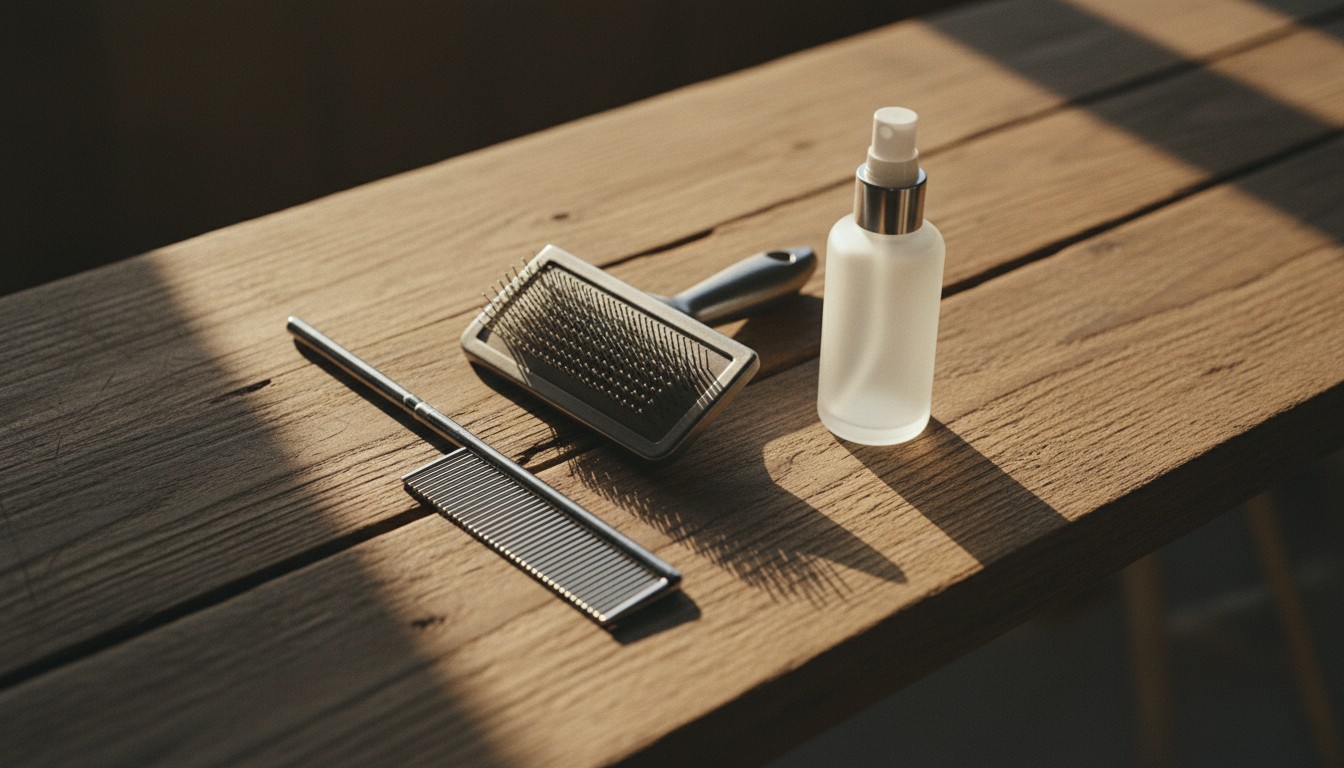
You cannot achieve professional results with sub-par tools. For effective line brushing, every Canadian household with a long-haired breed should own a high-quality long-pin slicker brush and a stainless steel 'Greyhound' comb. The slicker brush is designed to penetrate the dense layers of the coat, while the metal comb serves as your 'truth detector.' After you have line brushed an area, run the fine-toothed end of the metal comb through the fur from the skin out. If the comb glides through without resistance, the area is truly mat-free. If it catches, you have more work to do.
In addition to these, consider the environment. In regions like Quebec or the Rockies where winter salt is heavy on the sidewalks, a waterless shampoo or a coat conditioner can help neutralise the drying effects of salt and prevent the coat from becoming brittle. Brittle hair breaks more easily, and broken hair is the primary ingredient in a mat. You can find basic grooming kits at retailers like Canadian Tire, but for long-haired or 'doodle' breeds, investing in professional-grade tools from specialized suppliers will save you money on 'de-matting' fees in the long run. High-quality pins are polished and won't scratch the dog's skin, making the experience more comfortable for your pet.
Troubleshooting: Managing Resistance and Tangles
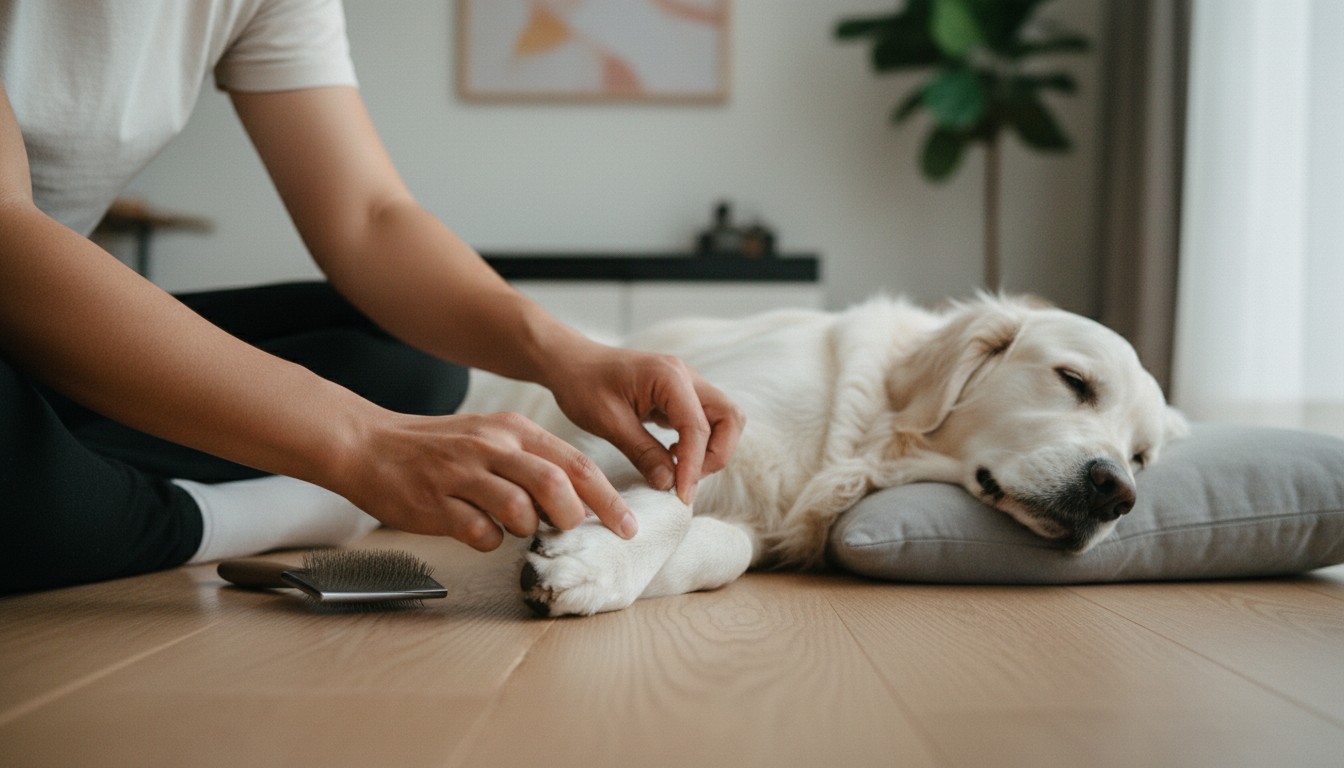
If your dog is resistant to grooming, it is often because they associate the brush with pain from pulling. To turn this around, keep sessions short—10 to 15 minutes at a time—and use high-value rewards, like a bit of plain yogurt or pieces of freeze-dried liver. If you encounter a significant mat, do not try to brush it out all at once. Hold the base of the mat with your fingers to prevent the skin from being pulled, and use the corner of your slicker brush to slowly 'pick' at the edges of the knot.
Watch for signs of 'brush burn,' which appears as redness or irritation on the skin. This usually happens when an owner stays in one spot for too long or applies too much pressure. Always keep the brush moving. If a mat is so tight that you cannot see skin through it, or if it feels like a hard lump of felt, it has likely become 'pelted.' At this stage, trying to brush it out is inhumane and can cause skin tears. This is a clear sign to stop and consult a professional. Canadian groomers are trained to use specialized clippers to safely remove pelting that has become a safety hazard, and they can help you 'reset' the coat for a fresh start with your new line brushing routine.
Seasonal Challenges: Snow, Salt, and Humidity
Canada's climate presents unique challenges for coat maintenance. In the winter, snow clumps can form 'ice balls' in the fur. When these melt, the moisture causes the hair to swell and then shrink as it dries, which 'locks' any existing tangles into tight mats. To prevent this, always towel-dry your dog thoroughly after a walk and follow up with a quick line-brushing session once the coat is damp but not soaking. Never leave a dog to air-dry with a tangled coat, as this is the fastest way to create deep matting.
Spring and autumn are 'shedding seasons' where the undercoat is replaced. During these times, the volume of dead hair increases exponentially. If this dead hair isn't removed via line brushing, it becomes trapped by the new growing hair, creating massive knots. In the humid summers of the Great Lakes region, moisture in the air can cause the hair to frizz and tangle more easily. Adjust your grooming frequency based on the weather; while twice a week might suffice in a dry winter, you may need to line brush every other day during a wet spring thaw or a humid July heatwave.
When to Put Down the Brush and Call a Professional
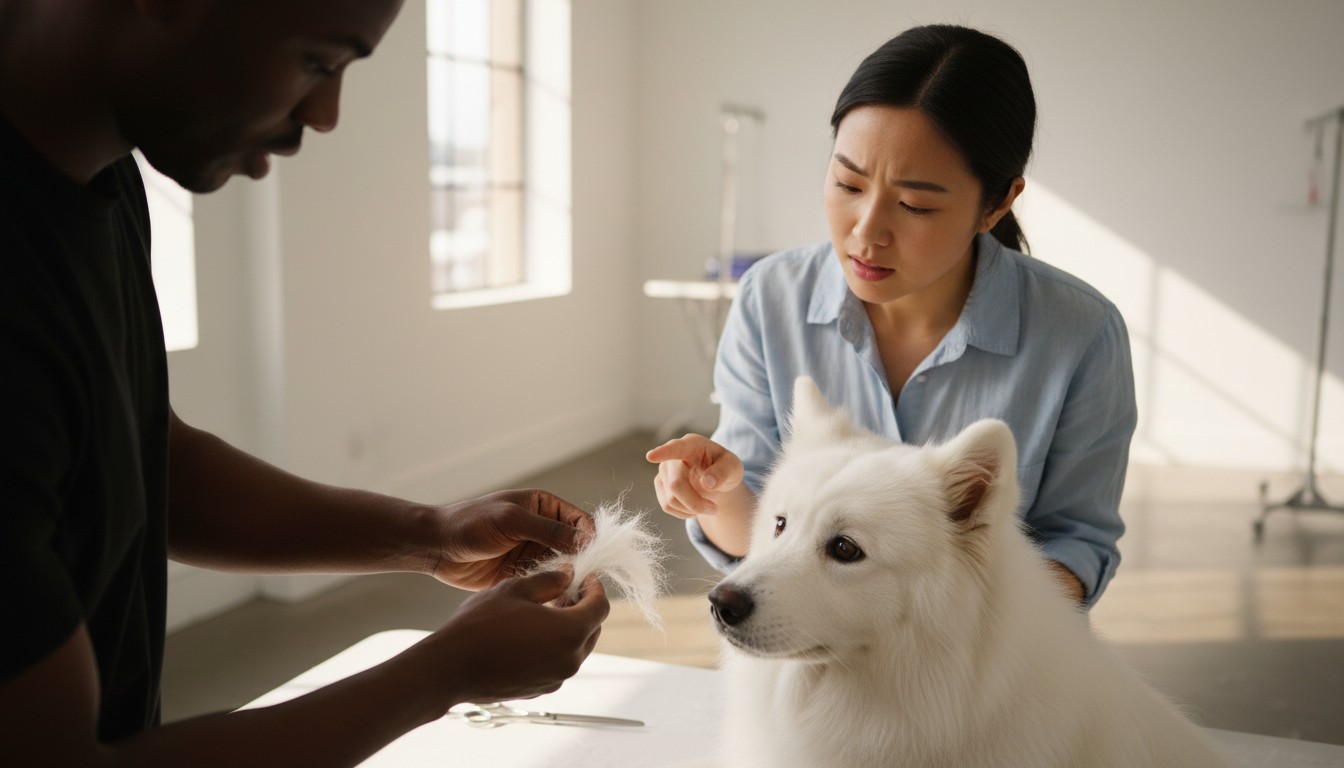
While line brushing is a powerful preventative tool, there are times when DIY grooming is no longer safe. If your dog has developed mats that are larger than a loonie and sit flush against the skin, the risk of cutting the dog with scissors is extremely high. Never use household scissors to 'cut out' a mat. A dog's skin is incredibly thin and can easily be pulled into the knot, leading to severe lacerations that require veterinary stitches. Professional groomers use specialized electric clippers with safety guards to shave under the mat, which is the only safe way to remove severe pelting.
Additionally, if you notice the skin is red, oozing, or emitting an odour underneath a mat, this indicates a secondary infection that needs professional or veterinary attention. A professional groomer can also provide a 'sanitary trim' or 'feet and face' trim to help keep the highest-maintenance areas manageable between full grooming appointments. Remember, the goal of line brushing is to maintain a healthy coat so that your professional grooming visits are a positive, low-stress experience for your dog rather than a painful de-matting marathon. If you are unsure, most Canadian grooming salons offer 'brush-out' appointments where they can assess the coat and give you a hands-on tutorial.
FAQ
How often should I line brush my dog?
For most long-haired or 'doodle' breeds, line brushing should be done at least 2-3 times per week. However, during high-shedding seasons or if your dog wears a harness daily, a quick 10-minute session every day is recommended to prevent any tangles from setting into mats.
Can I use a regular human hairbrush for line brushing?
No, human brushes are not designed to penetrate the dense undercoat of a dog. You specifically need a slicker brush with fine, wire pins that can reach through the layers to the skin without scratching. A human brush will only smoothen the top layer, contributing to the 'illusion' of a clean coat while mats form underneath.
Does line brushing hurt the dog?
When done correctly, line brushing is a soothing, massage-like experience. The key is to use a light touch and 'pat-and-pull' motions rather than dragging the brush through the fur. If you encounter a knot, hold the hair at the base to prevent pulling the skin, which ensures the process remains pain-free.
What is the difference between brushing and combing?
Brushing with a slicker brush separates the hair fibres and removes loose undercoat, while combing with a metal Greyhound comb is a diagnostic tool. The comb verifies your work; if it can't pass through a section you've just brushed, it means there is still a small knot or clump of undercoat that needs attention.
Conclusion
Mastering the art of line brushing is a transformative step in your journey as a dog owner. By moving beyond surface-level grooming and focusing on the undercoat, you protect your dog from the discomfort of mats and the health risks of pelting. This technique is especially vital in Canada, where our extreme seasons and outdoor elements can wreak havoc on a long coat. Remember to invest in the right tools—a quality slicker brush and a metal comb—and to keep your grooming sessions positive and rewarding. If you ever find yourself overwhelmed by the state of your dog's coat, don't hesitate to reach out to a professional groomer. They are your best partners in ensuring your dog remains happy, healthy, and beautifully maintained throughout the year. Consistent line brushing today means a happier dog and a much smoother grooming appointment tomorrow.
References & Sources
This article was researched using the following sources:


