














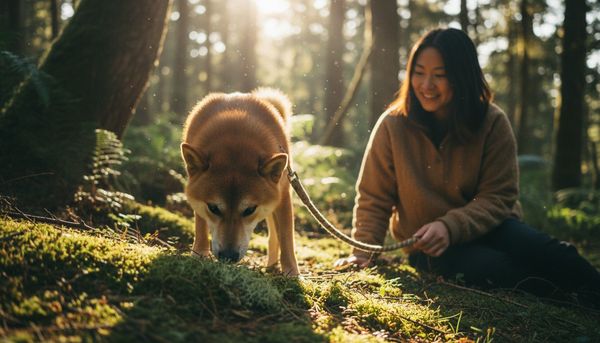
For many Canadian dog owners, the daily walk is often viewed as a mission to burn off physical energy. Whether you are trekking through the snowy trails of the Rockies or navigating the busy streets of downtown Toronto, the focus is usually on how many kilometres were covered. However, emerging research in canine science suggests that we may be overlooking the most critical aspect of a dog's well-being: their nose. Decompression walks—specifically designed to prioritise olfactory stimulation over physical distance—are proving to be a biological necessity for mental regulation. By allowing our dogs to engage their brains through scent, we can lower their cortisol levels and improve their overall behaviour more effectively than a five-kilometre run ever could.
The Biological Power of the Canine Olfactory System
To understand why decompression walks are so vital, we must first look at the biology of the dog. A dog’s brain is hardwired for scent processing; their olfactory bulb is roughly forty times larger than a human's relative to total brain size. When a dog sniffs, they aren't just 'smelling' the environment; they are gathering a complex history of the area. They can detect who was there, their health status, and even their emotional state. This process engages the vomeronasal organ (Jacobson's organ), which sends signals directly to the limbic system—the part of the brain responsible for emotion and memory.
In the Canadian climate, scent profiles change dramatically between the seasons. The damp earth of a Vancouver spring holds different information than the crisp, frozen air of an Ottawa winter. Engaging in these 'sniff-scapes' provides a level of cognitive load that physical movement alone cannot match. It is essentially a workout for the brain, leading to a level of mental fatigue that is both satisfying and calming for the animal. Research has shown that dogs allowed to sniff frequently during walks have lower pulse rates, indicating a shift from the sympathetic (fight-or-flight) to the parasympathetic (rest-and-digest) nervous system.
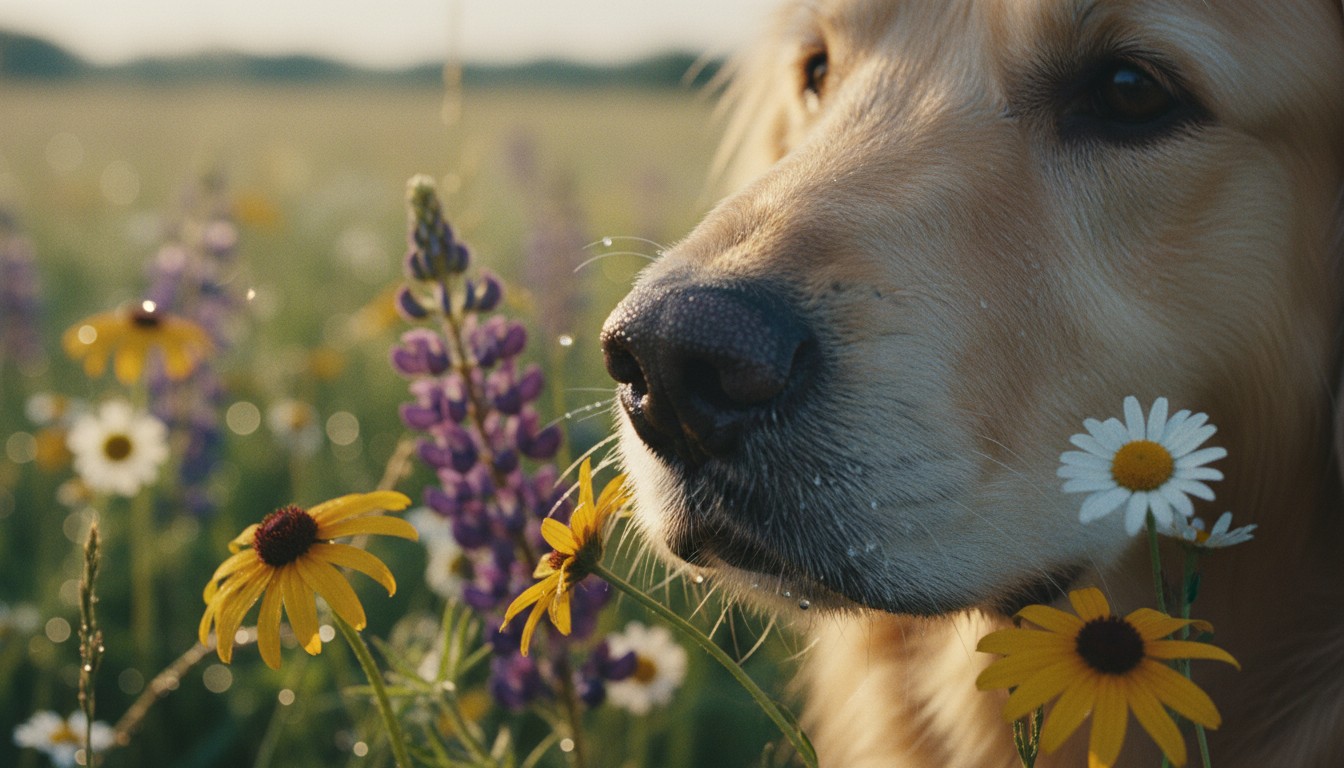
Decompression vs. Traditional Obedience Walking
Many owners pride themselves on a perfect 'heel,' where the dog walks at their side, eyes forward, ignoring the world. While leash manners are important for safety in crowded urban centres like Montreal, a walk consisting entirely of strict obedience can actually increase a dog's frustration and stress. During a traditional walk, the dog is constantly inhibited, forced to ignore their natural instincts to explore and process data. This lack of autonomy can lead to 'pent-up' mental energy, which often manifests as reactivity or destructive behaviour at home.
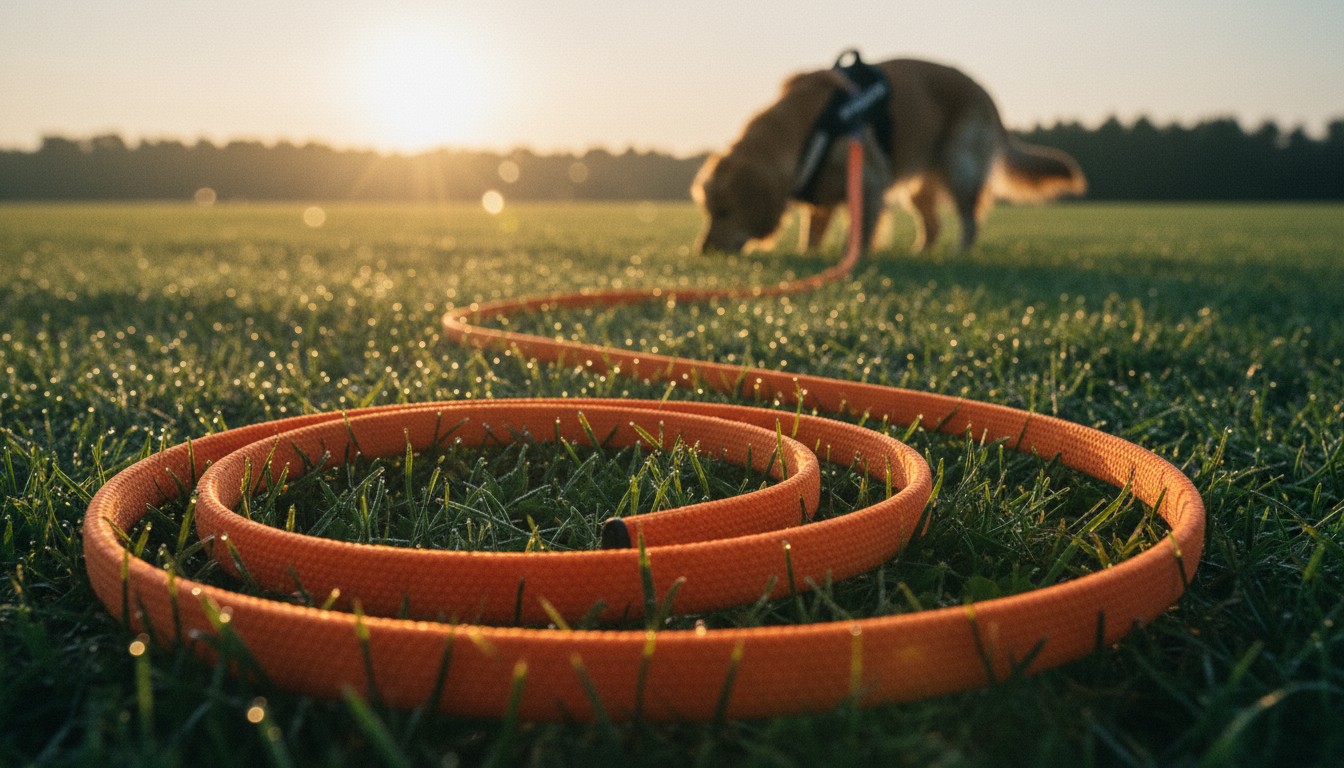
In contrast, a decompression walk is an exercise in freedom. This usually involves a long-line leash (typically 5 to 10 metres) and a comfortable harness, which you can find at major Canadian retailers like Canadian Tire or Pet Valu. The goal is to let the dog lead the way, choosing which scents to investigate and how long to linger. By shifting the focus from 'how far' to 'how much sniffing,' you allow the dog to decompress from the various stressors of domestic life, such as loud noises, traffic, or being left alone during the workday. It is the canine equivalent of a long, mindful walk in nature.
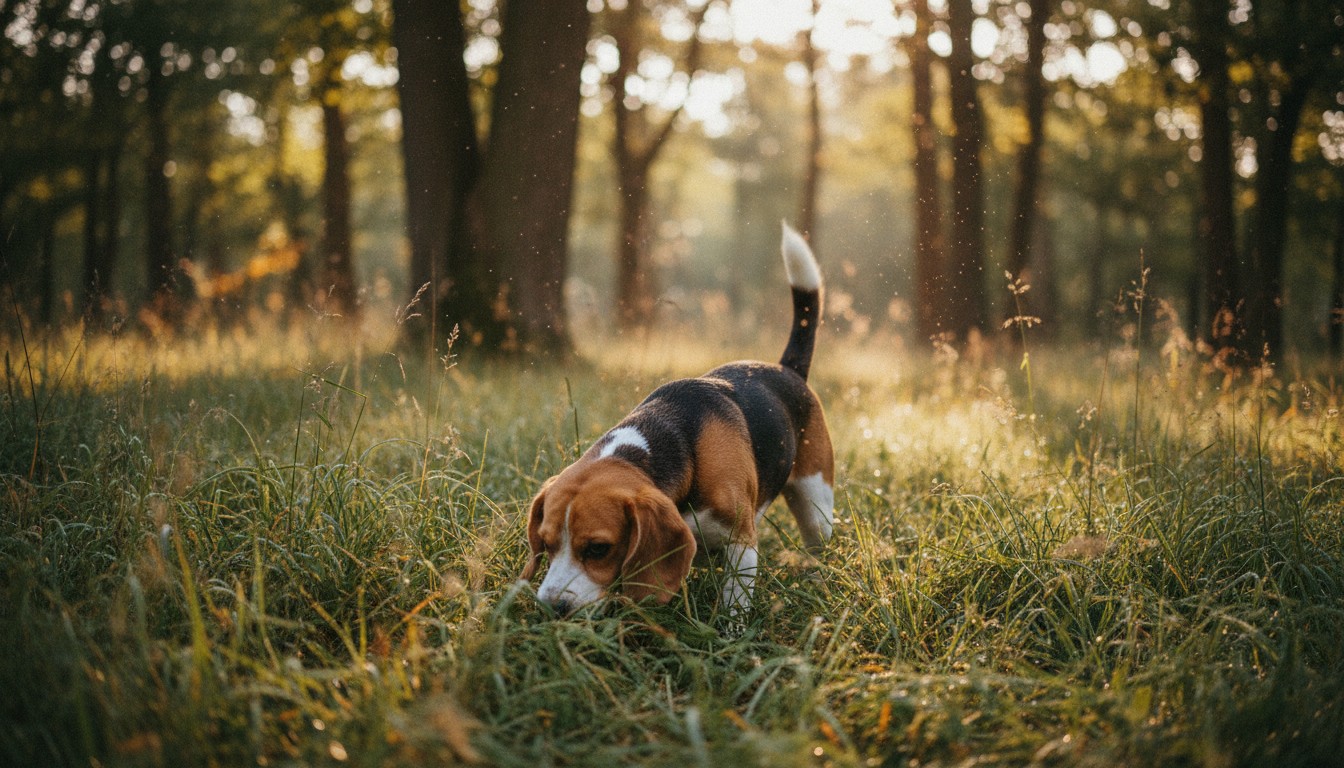
Measuring Success: Quality of Sniff Over Quantity of Steps
When transitionining to decompression walks, owners often worry that their dog isn't getting enough 'exercise.' It is important to redefine what exercise means for a canine. While physical movement is necessary for cardiovascular health, mental stimulation is the primary driver of exhaustion. A twenty-minute walk where a dog spends fifteen minutes investigating a single shrub is often more tiring than an hour of brisk walking. This is because the act of 'scent-mapping' requires significant neural processing.
Think of it as the difference between skimming a headline and reading a complex novel. The mental effort required to decode the layers of a scent—identifying the species, the direction of travel, and the time elapsed—is immense. For Canadian owners dealing with extreme weather, this is a game-changer. During a -20°C cold snap in the Prairies, a short, high-intensity sniffing session near the house can provide the same mental relief as a much longer walk in milder weather. You are focusing on the quality of the experience rather than the metrics on your fitness tracker. The result is a dog that returns home ready to sleep, rather than one that is physically tired but mentally wired.
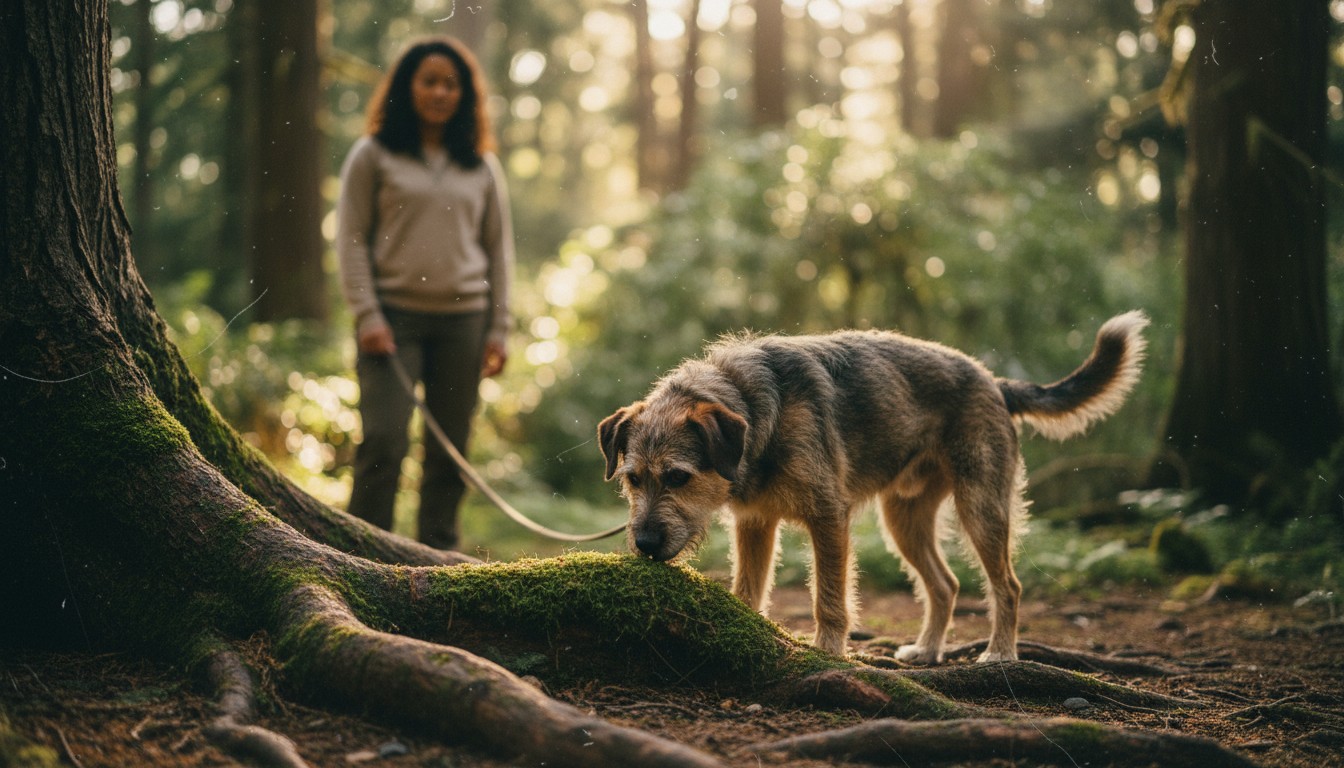
Practical Implementation and Troubleshooting
Implementing decompression walks requires a shift in gear and mindset. Use a Y-front harness to ensure full range of motion and prevent pressure on the neck, which can increase cortisol. A 5-metre Biothane long line is ideal for Canadian winters because it doesn't soak up water or freeze. Choose 'low-traffic' areas such as quiet conservation areas, cemetery paths, or industrial parks after hours. If your dog is prone to scavenging (eating 'street pizza' or wildlife droppings), you may need to pair these walks with a 'leave it' cue or use a basket muzzle to ensure they can still sniff safely without ingesting hazards.
Common issues include the dog pulling to the end of the long line. In these cases, simply stop and wait for them to re-engage with you before moving forward. If your dog seems 'stuck' on a scent for more than a few minutes, use a gentle verbal 'let's go' to encourage movement. Remember that the goal is not perfection, but a shared experience of relaxation. For dogs with high reactivity, these walks should be done in 'decompression zones' where triggers are minimal. If you find your dog is becoming more agitated rather than calmer, it may be a sign that the environment is too stimulating, and you should seek advice from a certified positive-reinforcement trainer to tailor the approach.
FAQ
Can I do a decompression walk in a city environment?
Yes, though it requires more planning. Look for quiet residential side streets, empty school grounds after hours, or large parks during off-peak times. The key is to find a space where you can safely use a longer leash and where your dog won't be constantly interrupted by other pedestrians or dogs.
How often should my dog have a decompression walk?
Ideally, aim for at least 3 to 4 decompression walks per week. Some owners prefer to make every morning walk a 'sniff-led' session, while keeping evening walks for more structured movement. Even 15 minutes of dedicated sniffing can significantly improve a dog's mental state.
What if my dog won't stop sniffing and we don't move at all?
That is perfectly fine! On a decompression walk, the goal is the sniffing itself, not the distance. If your dog wants to spend ten minutes on one patch of grass, they are getting the mental stimulation they need. Only move them along if they seem obsessed/over-aroused or if you are short on time.
Is a long line safe for all dogs?
Long lines should only be used with a harness, never a collar, to avoid neck injury if the dog runs to the end of the line. They are best used in open areas away from traffic. If your dog has a high prey drive, maintain a firm grip and be aware of your surroundings at all times.
Conclusion
Decompression walks represent a fundamental shift in how we approach canine exercise. By moving away from the 'marathon' mindset and embracing the biological importance of olfactory stimulation, we provide our dogs with the tools they need to regulate their own stress. In a fast-paced world—and within the unique environmental challenges of the Canadian landscape—these walks offer a sanctuary of calm. Whether you are navigating a snowy trail in Alberta or a quiet park in Nova Scotia, remember that your dog's nose is their primary window to the world. Prioritising their need to sniff is not just a 'bonus' for their training; it is a pillar of their mental health. Start slowly, invest in a long line, and let your dog show you the world through their sense of smell. You may find that you return from these walks feeling just as decompressed as they do.
References & Sources
This article was researched using the following sources:

