















It is a scenario many Canadian pet owners find baffling: a normally docile dog or cat suddenly snaps or growls at a familiar person for seemingly no reason. While it may look like an unprovoked attack, the reality is often rooted in the hidden biology of trigger stacking in pets. This physiological phenomenon occurs when a series of minor stressors accumulate over hours or even days, pushing an animal's nervous system to its absolute limit. When trigger stacking in pets is at play, the 'snap' isn't a reaction to the final minor event, but rather the result of a biological glass that has finally overflowed. Understanding this cumulative buildup is essential for preventing aggression and ensuring the well-being of our animal companions in our busy, often unpredictable Canadian environments.
The Biological Foundation: Cortisol and Stress Residue
To understand why a pet 'explodes,' we must first look at the endocrine system. When an animal encounters a stressor—be it a loud Canada Post truck or a slippery ice patch on the sidewalk—their body releases a surge of adrenaline and cortisol. This is the classic 'fight or flight' response. While adrenaline dissipates quickly, cortisol is far more persistent. In many cases, it can take 48 to 72 hours for cortisol levels to return to a true physiological baseline after a significant event.
This 'stress residue' remains in the system, keeping the pet in a state of hyper-vigilance. If a second stressor occurs while the cortisol from the first is still circulating, the effects don't just add up; they compound. For a pet living in a busy urban centre like Toronto or Vancouver, the constant barrage of construction noise, sirens, and crowded elevators means they may never actually reach a state of full biological calm. They are essentially living with a glass that is always 90% full, meaning even a tiny drop can cause a spill.

Common Cumulative Stressors in the Canadian Context
In Canada, our pets face unique environmental challenges that contribute to trigger stacking. During our long winters, the stinging sensation of road salt on paws or the physical discomfort of shivering in -20°C temperatures are constant, low-level stressors. While a dog might tolerate a quick walk, the physiological cost is rising. Add to this the excitement of visitors during the holiday season or the booming of summer fireworks over Lake Ontario, and the 'stack' builds rapidly.
Even 'positive' stressors contribute to the load. A trip to a busy pet-friendly store like Canadian Tire or a high-intensity play session at the local dog park increases arousal levels. Owners often mistake high arousal for pure happiness, but biologically, the body doesn't distinguish between 'excited' cortisol and 'scared' cortisol. If your pet hasn't had adequate downtime between these high-energy events, they remain vulnerable to a sudden overreaction.
Recognising the Subtle Signs of Stress Accumulation
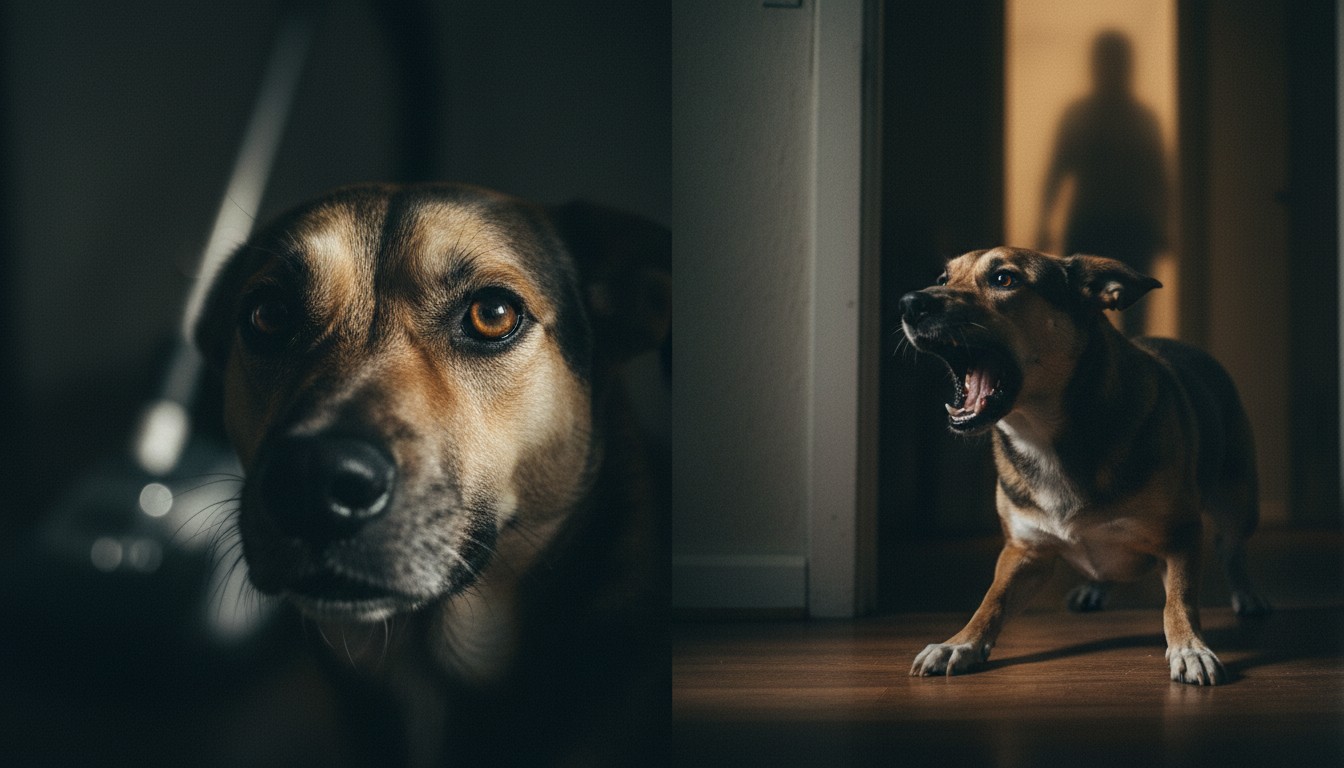
Before a pet snaps, they almost always provide subtle 'whispers' of their internal state. Because Canadians are often polite and non-confrontational, we sometimes miss these same qualities in our pets until it's too late. Key signs of stress residue include lip licking (when no food is present), frequent yawning, or 'whale eye,' where the whites of the eyes are visible. A pet that is trigger-stacked may also exhibit hyper-activity, often referred to as the 'zoomies,' which is a desperate attempt by the body to burn off excess energy and cortisol.
Other indicators include a decreased appetite or an inability to settle in their favourite spot. If you notice your dog is suddenly startled by a sound they usually ignore, like the hum of a Shoppers Drug Mart refrigerator or a distant car door, they are likely 'stacked.' At this stage, their brain is no longer operating from the logical prefrontal cortex but has shifted to the reactive amygdala, where every stimulus is perceived as a potential threat.

The Cortisol Vacation: A Practical Reset Strategy
When you realise your pet is hyper-reactive or has had a particularly stressful few days, the most effective intervention is a 'cortisol vacation.' This is a deliberate period of 48 to 72 hours where all known triggers are removed to allow the body's chemistry to reset. This means no trips to the dog park, no visitors at the house, and no training sessions that involve high frustration or excitement. In the winter, this might involve shorter 'business-only' walks followed by mental enrichment indoors using puzzle toys or scent work.
During a cortisol vacation, the goal is 'low and slow.' Provide your pet with long-lasting chews or lick mats, which encourage repetitive licking and chewing—behaviours known to release soothing endorphins. Think of it as a spa weekend for your pet's brain. By keeping their environment predictable and calm, you allow that overflowing glass of cortisol to drain, significantly reducing the risk of a reactive outburst in the future.

Troubleshooting: When the Stack Refuses to Clear
Sometimes, despite your best efforts to provide a quiet environment, a pet remains on edge. In these cases, it is vital to investigate underlying physical causes. Pain is the ultimate silent stressor; a dog with undiagnosed hip dysplasia or a cat with a painful dental issue will have a permanently 'full' glass. If your pet's 'fuse' remains short despite a cortisol vacation, a visit to a Canadian veterinarian is necessary to rule out medical contributors like thyroid imbalances or chronic pain.
Additionally, consider the 'baseline' of your environment. If you live in a high-density condo where neighbours are constantly passing the door, your pet may be experiencing 'micro-stressors' every few minutes. In these situations, using white noise machines or window film to block visual triggers can help lower the daily accumulation. If management and health checks aren't enough, it's time to consult a certified professional who understands the nuanced interplay of physiology and behaviour.

Safety and Professional Guidance: Knowing the Limits
Managing a trigger-stacked pet requires a commitment to safety. If your pet has already progressed to snapping or biting, management must be your first priority. Use physical barriers like baby gates or crates to create safe zones during high-traffic times. Never punish a pet for growling; a growl is a vital warning that the glass is full. If you punish the growl, you don't remove the stress—you simply remove the warning system, leading to the 'bite that came out of nowhere.'
For complex cases, seek out a professional who uses force-free, evidence-based methods. Look for certifications such as CPDT-KA (Certified Professional Dog Trainer-Knowledge Assessed) or a Veterinary Behaviourist (DACVB). In Canada, many professionals offer virtual consultations, which can be less stressful for a stacked pet than a trip to a training centre. Remember, a snap is a plea for help from a nervous system that can no longer cope.
FAQ
Can positive events cause trigger stacking in pets?
Yes, positive events like a trip to a busy park or an intense game of fetch raise arousal and cortisol levels just as much as negative ones. If several 'exciting' events happen in a row without rest, the pet can become trigger-stacked and hyper-reactive.
How long does a cortisol vacation need to last?
A cortisol vacation should typically last between 48 to 72 hours. This is the time required for the circulating stress hormones to be fully processed and for the pet's nervous system to return to its normal baseline.
Why did my dog bite someone they usually love?
This is often the result of trigger stacking. Even if the person is a friend, if the dog was already at their limit from prior stressors like thunderstorms or lack of sleep, the mere act of being touched by someone they love can be 'the final straw' that triggers a defensive reaction.
Is trigger stacking the same as being 'aggressive'?
No, trigger stacking is a physiological state of being overwhelmed, not a personality trait. Any pet, regardless of how friendly they are, has a biological limit where they will react to protect themselves if their stress levels become too high.
Conclusion
Trigger stacking in pets is a powerful reminder that our animals are biological beings subject to the same laws of stress as humans. By recognising that a sudden 'snap' is often the result of days of accumulated tension, we can move away from blame and toward effective management. Implementing a cortisol vacation and being mindful of the unique stressors in our Canadian environment—from freezing temperatures to busy urban centres—allows us to protect our pets' mental health. If your pet's behaviour remains unpredictable, do not hesitate to reach out to a professional. With patience, consistency, and a deep understanding of their physiological needs, you can help your pet navigate the world with a much emptier glass and a much calmer mind.
References & Sources
This article was researched using the following sources:


