














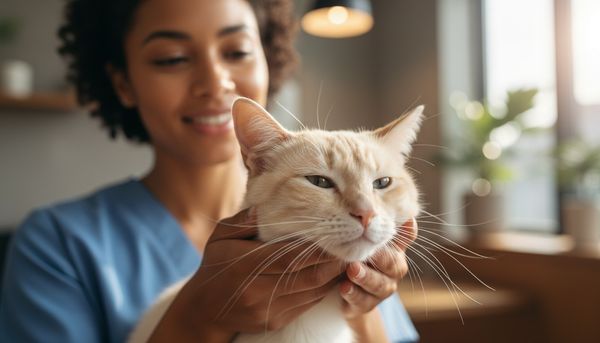
For many Australian pet owners, a trip to the local vet surgery is often met with a chorus of whines or a cat firmly wedged under the car seat. Traditionally, we have accepted that pets will be 'stressed' during a check-up, but modern veterinary science is shifting. The emergence of low-stress vet handling protocols is changing the landscape of animal healthcare in Australia. Instead of focusing solely on the clinical outcome, these techniques prioritise the emotional well-being of the animal. By choosing a clinic that employs low-stress vet handling, you aren't just making the visit easier for yourself; you are ensuring that your pet receives better medical care. When an animal is calm, their vitals are more accurate, and they are less likely to develop the chronic 'white coat syndrome' that leads to missed diagnoses and owner avoidance.
The Core Philosophy of Low-Stress Veterinary Care
Low-stress vet handling isn't just a marketing buzzword; it is a clinical approach rooted in ethology and animal behaviour science. Popularised by the late Dr Sophia Yin and the 'Fear Free' movement, these protocols aim to reduce the three negative emotions in pets: Fear, Anxiety, and Stress (FAS). In an Australian context, this means moving away from the 'scruff and hold' methods of the past. If you've ever felt a bit 'gutted' seeing your dog pinned down for a simple blood draw, you've witnessed why these new protocols are so vital.
A low-stress clinic recognises that every interaction—from the moment you park the ute to the moment you settle the bill—impacts the pet's perception. Practitioners are trained to read 'micro-behaviours.' They look for subtle signs like lip licking, whale-eye, or a tucked tail that might signal a dog is nearing its threshold. By intervening early with treats or a change in technique, the vet prevents the animal from reaching a state of panic. This science-based handling ensures that the pet remains below their 'reactivity threshold,' making future visits significantly easier and safer for everyone involved.
Furthermore, this approach acknowledges that a pet's physiological state affects their clinical results. A stressed cat can have 'stress hyperglycaemia,' which mimics diabetes on a blood test. By using low-stress vet handling, clinicians get a much clearer picture of the animal's true health status, avoiding misdiagnosis and unnecessary, expensive follow-up testing.
Screening the Waiting Room and Environment
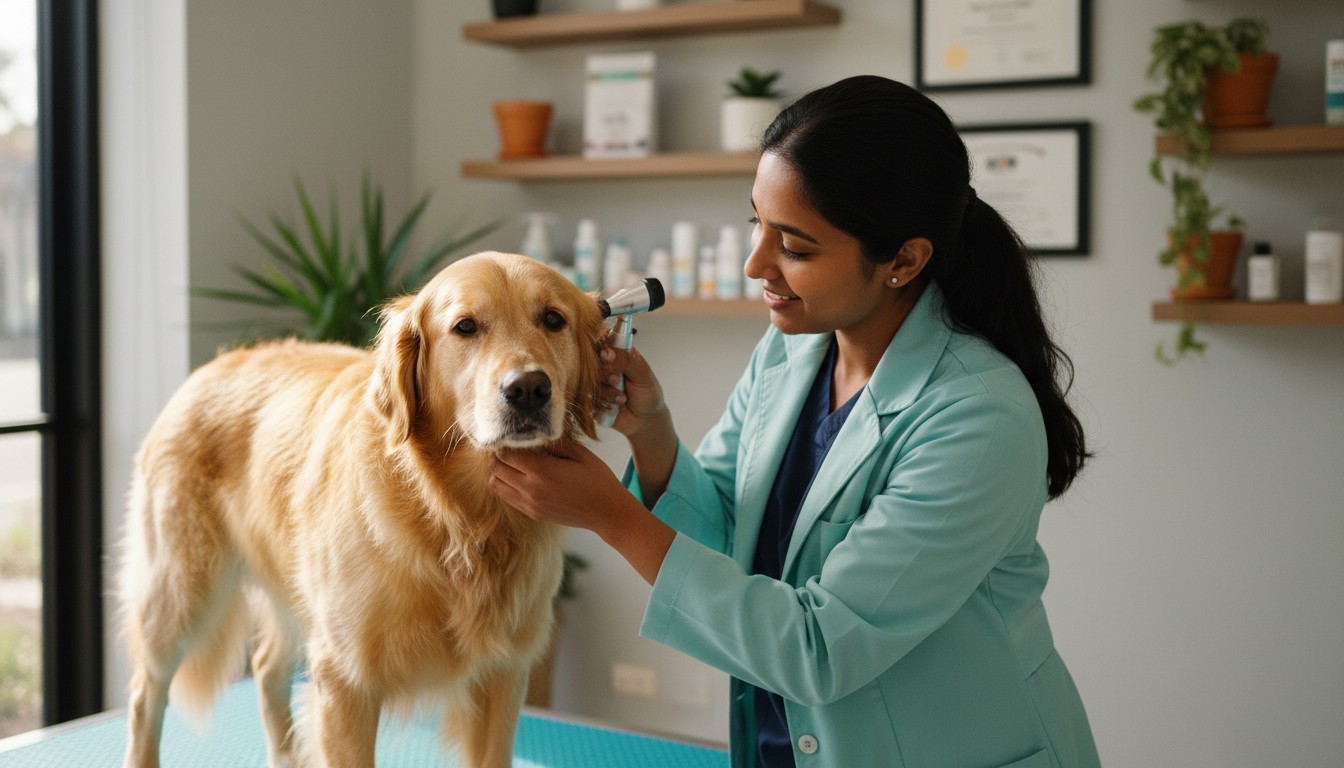
Your evaluation of a clinic should begin before you even meet the vet. The physical environment of the surgery is a massive indicator of their commitment to low-stress vet handling. In many older Australian clinics, dogs and cats are crammed into a single small waiting area, which is about as relaxing as a Saturday morning rush at Bunnings. A low-stress clinic will often have separate waiting areas for different species or use visual barriers like high-backed seating or shelving to prevent pets from making direct eye contact with strangers.
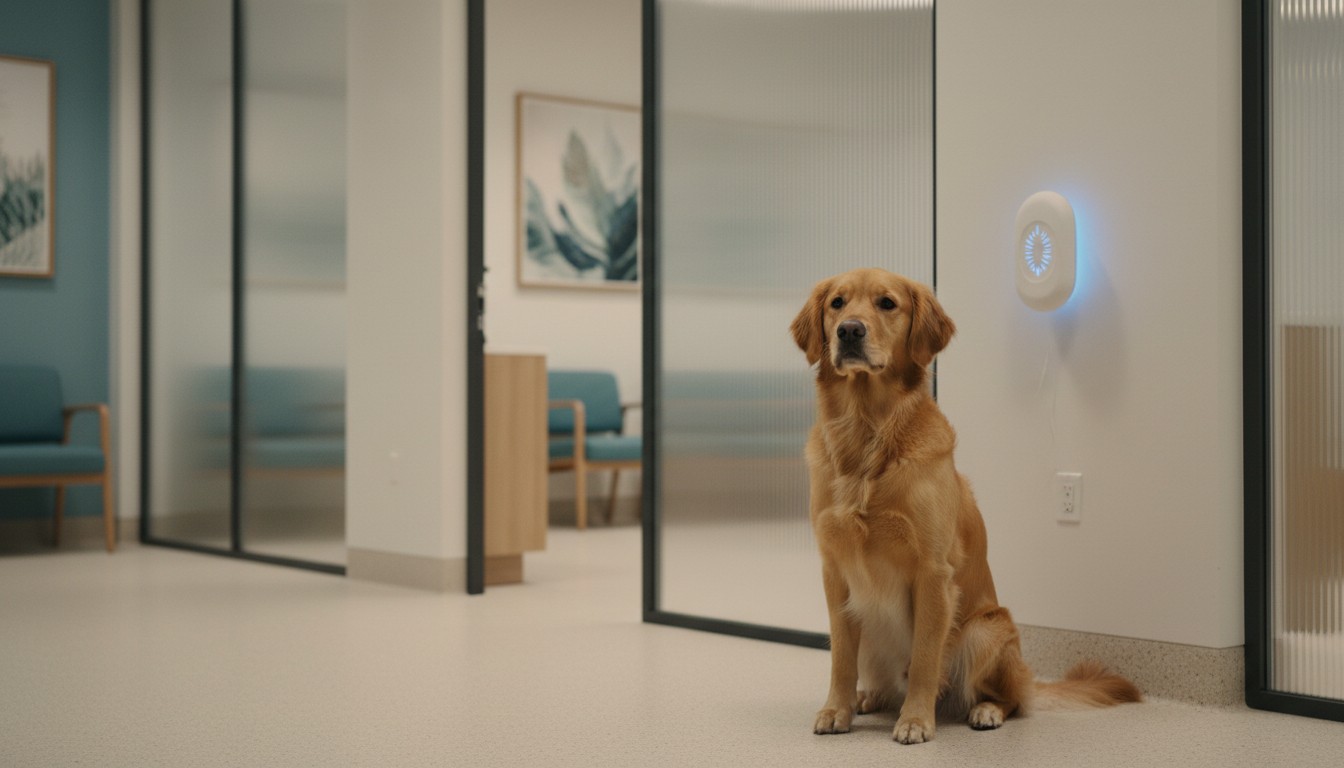
Look for the 'scent profile' of the clinic. Do you smell harsh bleach and the 'scent of fear' (pheromones released by stressed animals), or do you notice the subtle use of synthetic pheromones like Feliway for cats or Adaptil for dogs? Many gold-standard Australian clinics now have diffusers plugged in throughout the building. Additionally, pay attention to the floor surfaces. Slippery metal tables and polished tiles are terrifying for a dog who feels they have no grip. Low-stress practices use rubber mats, yoga mats, or even perform the exam on the floor where the pet feels most secure.
Background noise is another factor. A low-stress environment will be relatively quiet, perhaps with soft classical music or 'Through a Dog's Ear' playing. If the clinic sounds like a chaotic construction site with constant barking and shouting, it’s unlikely they are successfully implementing low-stress protocols. These environmental cues tell you whether the clinic views the pet's comfort as a priority or an afterthought.
Assessing Clinical Interaction and Treat Usage
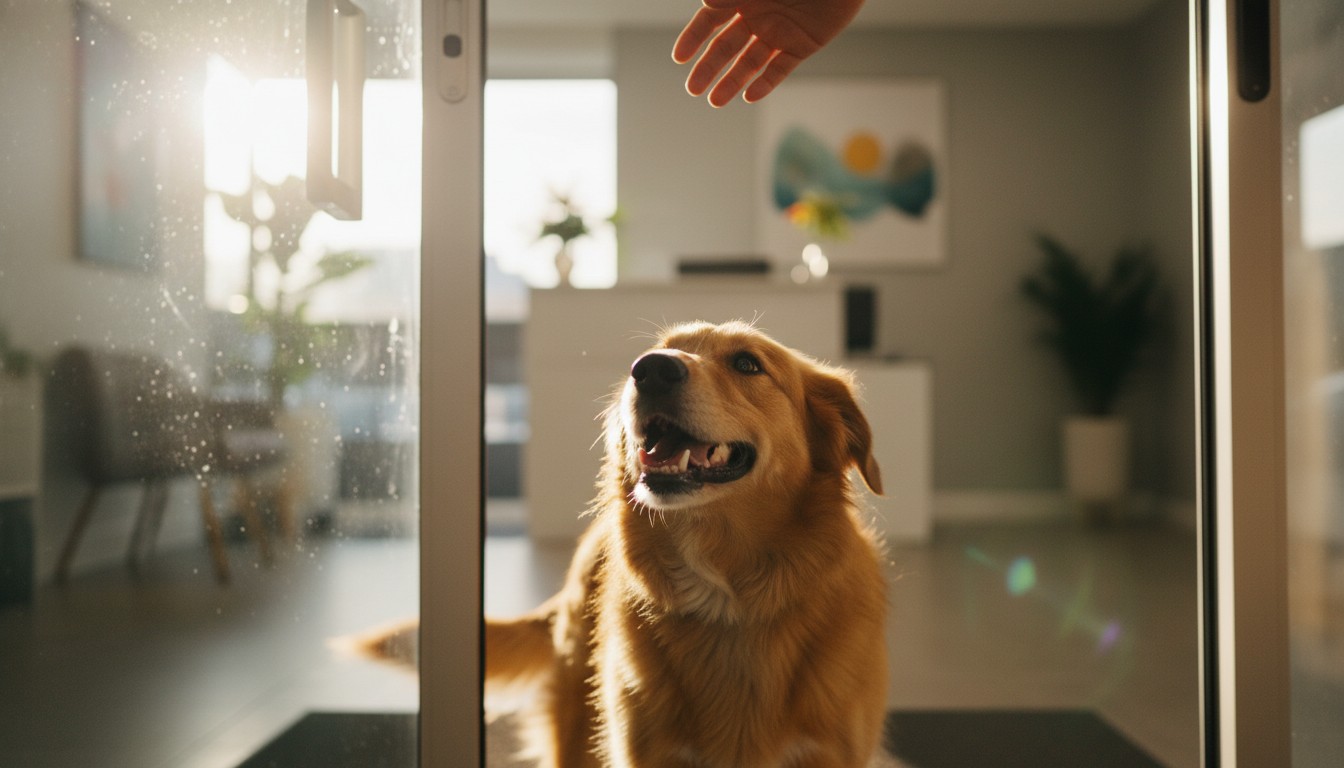
The most critical part of your screening is observing the vet's physical interaction with your pet. In a traditional setting, a vet might immediately reach over a dog's head to pat them—an action many dogs find threatening. In a clinic using low-stress vet handling, the vet will likely wait for the pet to approach them or offer a hand for sniffing first. They use 'touch-retreat' methods, where they touch the pet briefly and then pull back to gauge the animal's reaction before proceeding with the examination.
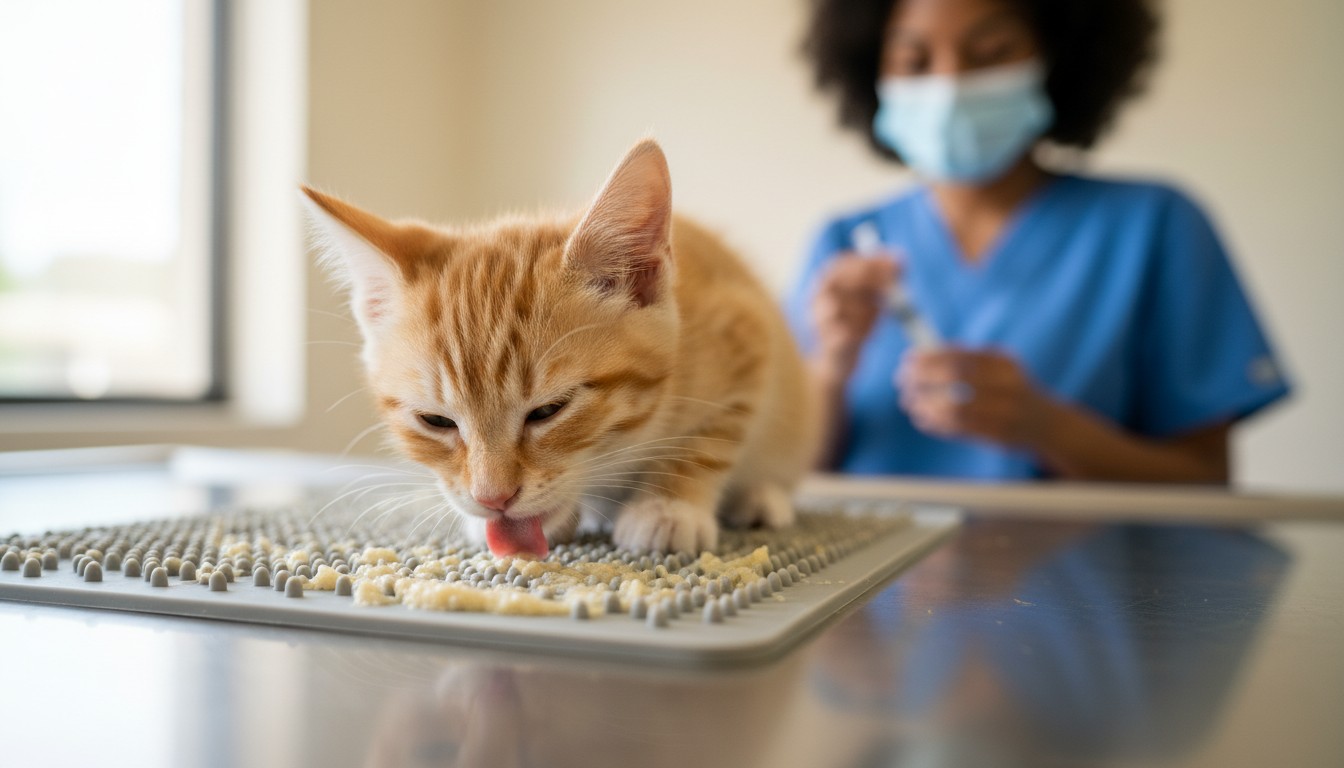
Treats should be abundant and high-value. We aren't just talking about a dry biscuit from a jar; we mean 'high-value' rewards like roast chicken from Woolworths, squeeze-cheese, or peanut butter on a Lickimat. If the vet isn't using food to create a positive association, they are missing the most powerful tool in the low-stress toolkit. This 'counter-conditioning' changes the pet's emotional response from 'I'm scared of this person' to 'This person is the bringer of the best snacks I've ever had.'
Observe the pace of the appointment. A vet committed to low-stress handling won't rush. They will allow the cat to come out of the carrier on its own terms (or even take the top off the carrier to examine the cat inside) rather than 'dumping' the cat onto the table. If your vet is moving at a frantic pace, it’s a sign that the clinic's business model prioritises volume over the quality of the animal's experience. You want a clinician who treats your pet as an individual with a unique personality, not just a 15-minute time slot.
Troubleshooting: When Things Go Wrong
Despite the best intentions, some visits won't go according to plan. A key part of low-stress vet handling is knowing when to stop. If your pet is showing high levels of distress—such as growling, snapping, or extreme freezing—a low-stress vet will pause. They should discuss 'pre-visit pharmaceuticals' (PVPs) with you. This isn't about 'drugging' the pet, but rather using mild sedatives or anti-anxiety medications to lower the pet's baseline stress so they can actually learn that the vet isn't a threat.
If you find yourself in a clinic where the staff is insistent on 'muscling through' a procedure while your pet is screaming or struggling, that is your sign to advocate for your animal. You have the right to ask them to stop. A professional low-stress advocate will say, 'He seems really stressed today; can we reschedule this with some calming medication or try a different approach?' If the vet scoffs at this or tells you the dog just 'needs to know who is boss,' it is time to find a new clinic.
Common signs that you should adjust your approach include your pet refusing treats they usually love (indicating high stress), or 'shutting down' where they become completely immobile. In these cases, seeking a referral to a veterinary behaviourist or a Fear Free certified professional is the best next step. It is better to go home with an unfinished exam than to traumatise your pet so badly that they become aggressive or impossible to treat in the future.

Cooperative Care and the 'Opt-In' Method
The gold standard of low-stress vet handling is cooperative care. This is a training philosophy where the animal is an active participant in their own medical treatment. For example, a dog might be trained to place their chin on a stool (a 'chin rest') to signal they are ready for an injection. If they lift their head, the procedure stops. This gives the animal a sense of control, which significantly reduces anxiety. While this requires training at home, a low-stress vet will support and encourage these behaviours in the clinic.
During your screening, ask the vet if they are familiar with 'the bucket game' or other cooperative care techniques. Even if they don't use them formally, they should be open to you bringing your own 'station' (like a specific mat from Kmart) to help your dog feel settled. A vet who understands cooperative care will value your input as the person who knows the pet best. They will ask questions like, 'Where does she like to be touched?' or 'Does he prefer to stand or sit for his vaccinations?'
This nuanced approach extends to how procedures are performed. Instead of taking the pet 'out the back'—which can be terrifying for an animal already on edge—a low-stress clinic will perform as many procedures as possible in the room with the owner. This transparency builds trust between you and the vet, and provides the pet with the comfort of their 'safe person.' If a vet insists that 'dogs behave better without their owners,' be wary; usually, that 'good behaviour' is actually just a state of helpless shutdown known as 'learned helplessness.'
Safety, Sedation, and Professional Standards
A common misconception is that low-stress vet handling means 'no restraint.' In reality, it means 'minimal necessary restraint.' Safety for the veterinary team and the owner is paramount. If a dog is a bite risk, a muzzle is a responsible safety tool. However, in a low-stress clinic, the muzzle is introduced positively with treats (muzzle training), rather than being forced on during a moment of crisis. The goal is to keep everyone safe while maintaining the pet's emotional integrity.
Sometimes, the most 'low-stress' thing a vet can do is recommend full sedation for a procedure like a nail trim or an ear clean. If a pet's FAS score is a 4 or 5 (out of 5), attempting to do the work while they are awake is inhumane and dangerous. Modern sedatives are incredibly safe and allow the vet to perform a thorough job without the pet ever knowing it happened. It's a far more compassionate choice than a 'struggle-fest' that leaves the pet with lasting psychological scars.
When looking for professional guidance, check if the clinic has staff members who are 'Fear Free Certified' or have completed 'Low Stress Handling' (Silver/Gold) certifications. In Australia, you can also look for clinics accredited by the Australian Veterinary Association (AVA) that specifically mention behavioural wellness. If your pet has severe aggression or anxiety, don't just rely on a general vet; seek a consult with a specialist Veterinary Behaviourist who can create a comprehensive 'stress-reduction' plan tailored specifically for your animal's needs.
FAQ
Is low-stress vet handling more expensive than traditional vet visits?
Initially, these visits might be slightly more expensive because they often require longer appointment times (20–30 minutes) to allow the pet to settle. However, in the long run, it saves money by preventing the need for multiple 'failed' visits, reducing the risk of injuries to staff, and avoiding the high costs of managing chronic stress-related health issues.
How do I find a Fear Free certified vet in Australia?
You can search the official Fear Free Pets directory online, which lists certified professionals worldwide, including many in major Australian cities like Sydney, Melbourne, and Brisbane. Additionally, look for clinics that advertise 'low-stress handling' on their websites or social media, as many Australian vets follow these principles without the specific American certification.
My vet says 'dogs are better without their owners'—is this true?
Generally, no. Research suggests that most pets are more relaxed when their owners are present. While some dogs may stop struggling when taken to 'the back,' this is often due to 'learned helplessness' or fear-based freezing rather than actual calm. A low-stress vet will work with you in the room unless there is a specific medical or safety reason to move the animal.
Conclusion
Evaluating a veterinary clinic's low-stress vet handling protocols is one of the most important things you can do for your pet's long-term health. By looking for environmental cues, observing handling techniques, and advocating for 'cooperative care,' you ensure that medical visits are a source of healing rather than trauma. If your current vet isn't meeting these standards, don't be afraid to look elsewhere. Whether you're in the heart of Sydney or a rural town in WA, your pet deserves a healthcare team that respects their emotional state. Start by asking your vet about their handling philosophy at your next check-up—a truly professional, modern vet will be more than happy to discuss their science-based approach to keeping your best mate happy and healthy.
References & Sources
This article was researched using the following sources:


