














Every Australian pet owner has heard the golden rule of feeding: transition your pet’s diet over seven days. You start with 25% new food, move to 50%, then 75%, and by day seven, you are home and dry. However, for many dogs and cats across the country, biology doesn't follow a calendar. A stalled food transition is a common yet frustrating hurdle that often leaves owners wondering if they should push through the loose stools or abandon the new expensive bag of kibble from Petbarn altogether. This guide moves beyond the basics to help you navigate the '50% stall,' implement a digestive reset, and determine if that new grain-free formula is actually compatible with your pet's unique gut microbiome.
The Myth of the Universal 7-Day Food Transition
The standard week-long transition period is a helpful generalisation, but it often fails to account for the incredible complexity of the canine and feline digestive systems. When you perform a food transition, you aren't just changing ingredients; you are essentially asking your pet's gut microbiome to re-organise its entire bacterial population. Some pets have a highly adaptable 'iron gut,' while others—particularly those sensitive breeds common in Australia like French Bulldogs or German Shepherds—require a much more nuanced approach.
A transition that stalls at the three or four-day mark is rarely a sign of 'bad' food. Instead, it is usually an indicator that the rate of change is outpacing the gut's ability to produce the specific enzymes needed to break down new protein or carbohydrate sources. If you notice soft stools as soon as you hit the 50/50 mix, it is a signal to pause. Pushing forward to 75% in the hope that things will 'settle down' often leads to acute colitis or significant dehydration, which might land you an emergency trip to the local vet surgery.
Troubleshooting the 50% Stall: Why Progress Stops
The most common point of failure occurs right in the middle of the process. At the 50% mark, the concentration of new ingredients—perhaps a shift from chicken to kangaroo or a change in the fibre content—becomes significant enough to alter the gastric pH. In Australia, many premium foods like Advance or Black Hawk have high nutrient densities that require significant bile production to process.
If your pet develops diarrhea at this stage, it is crucial to assess the severity. 'Soft serve' consistency is a sign to hold steady at 50% for several more days. However, liquid diarrhea indicates the system is in distress. You should never increase the ratio of new food until the stool has been firm for at least 48 consecutive hours. This 'holding pattern' can sometimes last for two weeks. It is not a failure of the food; it is simply the time required for the pancreas and gallbladder to adjust their output to the new nutritional profile. Keep a close eye on their behaviour; if they remain bouncy and hydrated, patience is your best tool.

The Reset Protocol: When and How to Pull Back
When a food transition goes completely pear-shaped, you need a structured 'Reset Protocol.' This involves retreating to a baseline diet to allow the gut inflammation to subside. If your pet has persistent diarrhea for more than 24 hours, stop the new food entirely and return to 100% of the old, 'safe' diet. If the upset is severe, your vet may even recommend a 12-hour fast (for adult dogs only) followed by a bland diet of boiled chicken and white rice or a therapeutic GI canned food from Woolworths or a specialty pet store.
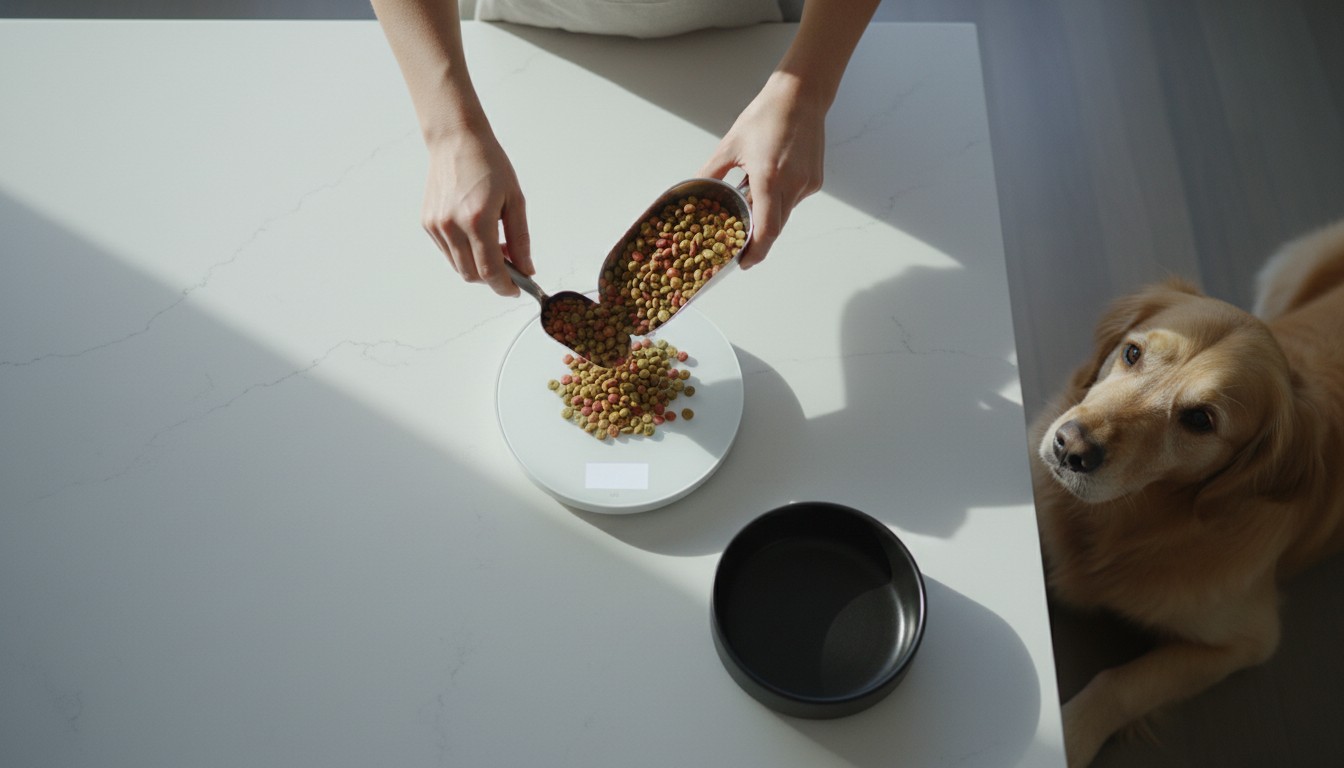
Once the stools are back to a 'Grade 2' (firm and easy to pick up), do not jump back into the mix at the level where you failed. Start over at a micro-level. Instead of the 25/50/75 increments, try 10% increases every three days. This 'Micro-Transition' is particularly effective for pets with chronic sensitivities. For example, if you are transitioning a 20kg dog, you might only add 20 grams of the new food on the first day. It sounds tedious, but it is far more efficient than dealing with a 'yo-yo' stomach for a month.
Ingredient Incompatibility vs. Adjustment Period
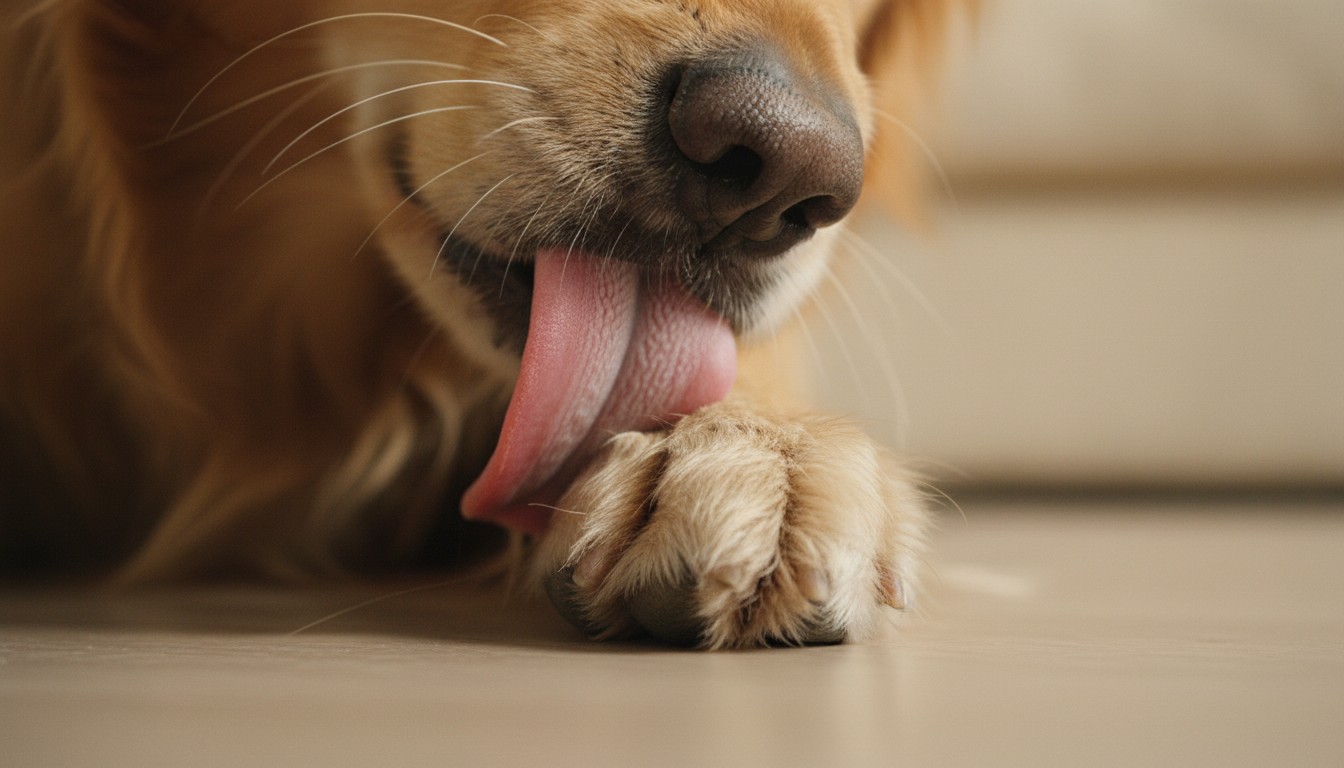
How do you know if the food is simply 'wrong' for your pet? There is a distinct difference between a difficult adjustment and a true food intolerance. Adjustment issues are almost exclusively gastrointestinal—gas, bloating, or loose stools. A true intolerance or allergy usually presents with secondary symptoms. Look for 'hot spots' on the skin, excessive paw licking, or a sudden redness in the ears. These are signs that the immune system is reacting to a specific protein, not just the change in diet.
In the Australian climate, environmental allergies can sometimes mimic food issues, but if the scratching started exactly when the new bag of food was opened, the link is hard to ignore. Furthermore, check the fat content. If you are moving from a standard kibble to a high-fat 'working dog' blend, your pet may be at risk of pancreatitis if the jump is too sudden. If you see yellow, greasy stools or if your pet seems to be in pain (hunched back), stop immediately and seek professional advice. Not every high-quality food is right for every individual dog or cat.

The Role of Digestive Aids in Australian Transitions
To support a stalled food transition, many owners find success by incorporating specific digestive aids. Probiotics and prebiotics can be game-changers. Products containing Enterococcus faecium help to colonise the gut with beneficial bacteria, making the transition smoother. In Australia, you can find these at most vet clinics or stores like Kmart Australia (in the pet section) or specialty retailers.
Another helpful addition during a stall is plain tinned pumpkin (ensure it is 100% pumpkin, not pie filling) or a tablespoon of psyllium husk. The soluble fibre in these additions helps to absorb excess water in the colon, firming up stools and slowing down the transit time of the food. This gives the gut more time to extract nutrients and acclimate to the new ingredients. Always introduce these aids one at a time so you can accurately measure what is actually helping your pet's specific situation.
FAQ
Can I use over-the-counter human anti-diarrheals during a food transition?
No, you should never give your pet human medications like Imodium without direct veterinary supervision. These can mask serious symptoms or cause adverse reactions, especially in certain breeds with the MDR1 mutation common in Aussie shepherds.
How long should a 'slow' transition actually take?
While 7 days is standard, a slow transition for a sensitive pet can take 3 to 4 weeks. It is perfectly safe and often much more effective to increase the new food by only 10% every few days.
Should I be worried if my pet is farting more during the change?
Flatulence is common during a food transition as the gut bacteria adjust to new fibre types. As long as the stools remain relatively firm and there is no vomiting, a bit of gas is usually just a temporary part of the adjustment process.
What if my pet refuses to eat the new food mixed in?
This is often a 'palatability' issue or a sign of 'food neophobia.' Try adding a splash of warm water or low-sodium bone broth (without onions or garlic) to enhance the aroma and encourage them to eat the mixture.

Conclusion
Mastering the art of the food transition requires moving beyond rigid timelines and learning to read your pet's physical cues. While the 7-day rule works for many, the 'stalled' transition is a signal that your pet needs more time, a different ratio, or perhaps a different ingredient profile altogether. By using the 'Reset Protocol' and implementing micro-transitions, you can avoid the stress of chronic digestive upset. Always remember that if your pet shows signs of lethargy, persistent vomiting, or bloody stools, these are not transition issues—they are medical emergencies. When in doubt, consult your local Australian vet surgery to ensure there isn't an underlying issue. With patience and the right approach, you'll have your pet settled on their new diet without the drama.
References & Sources
This article was researched using the following sources:

