














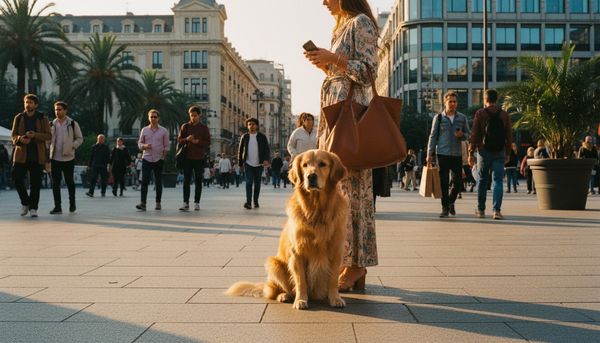
Every Australian dog owner knows the scene: you're enjoying a weekend breakfast at your local cafe, or perhaps wandering through the aisles of Bunnings, and your dog begins lunging and barking at every passing stranger or furry friend. Most owners are told that 'socialisation' means their dog should meet everyone, but this common advice often backfires. In reality, successful socialisation as neutrality is the ability of a dog to remain calm and indifferent to their surroundings. Instead of teaching your dog that every person or animal is a playmate, you should be teaching them that the environment is just background noise. By shifting your focus from interaction to neutral exposure, you prevent the development of 'frustrated greeters'—dogs that become reactive because they expect to say hello to everything they see. This guide explores how to foster a neutral mindset in your pet, ensuring they are as comfortable at a busy footy oval as they are in your lounge room.
The Socialisation Myth: Why Interaction Isn't the Goal
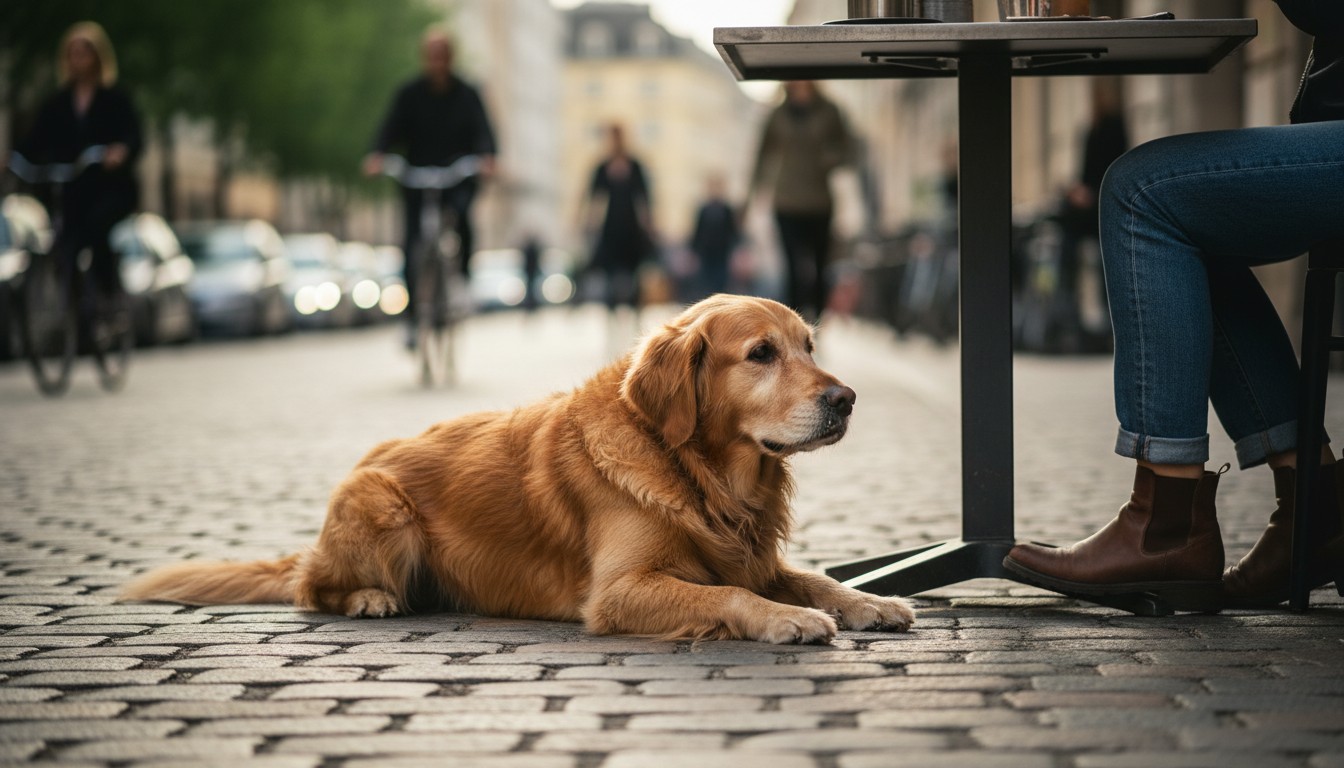
For years, new puppy owners across Australia have been encouraged to 'get their dogs out there' to meet a hundred different people and dogs in a hundred days. While the intention is good, this approach often creates a dog that is hyper-aroused by the presence of others. When we force interaction, we inadvertently teach our dogs that every living thing they encounter is a source of high-intensity excitement or, conversely, a source of fear. True socialisation as neutrality means your dog can walk past a group of kids playing cricket or a rowdy kookaburra without needing to investigate.
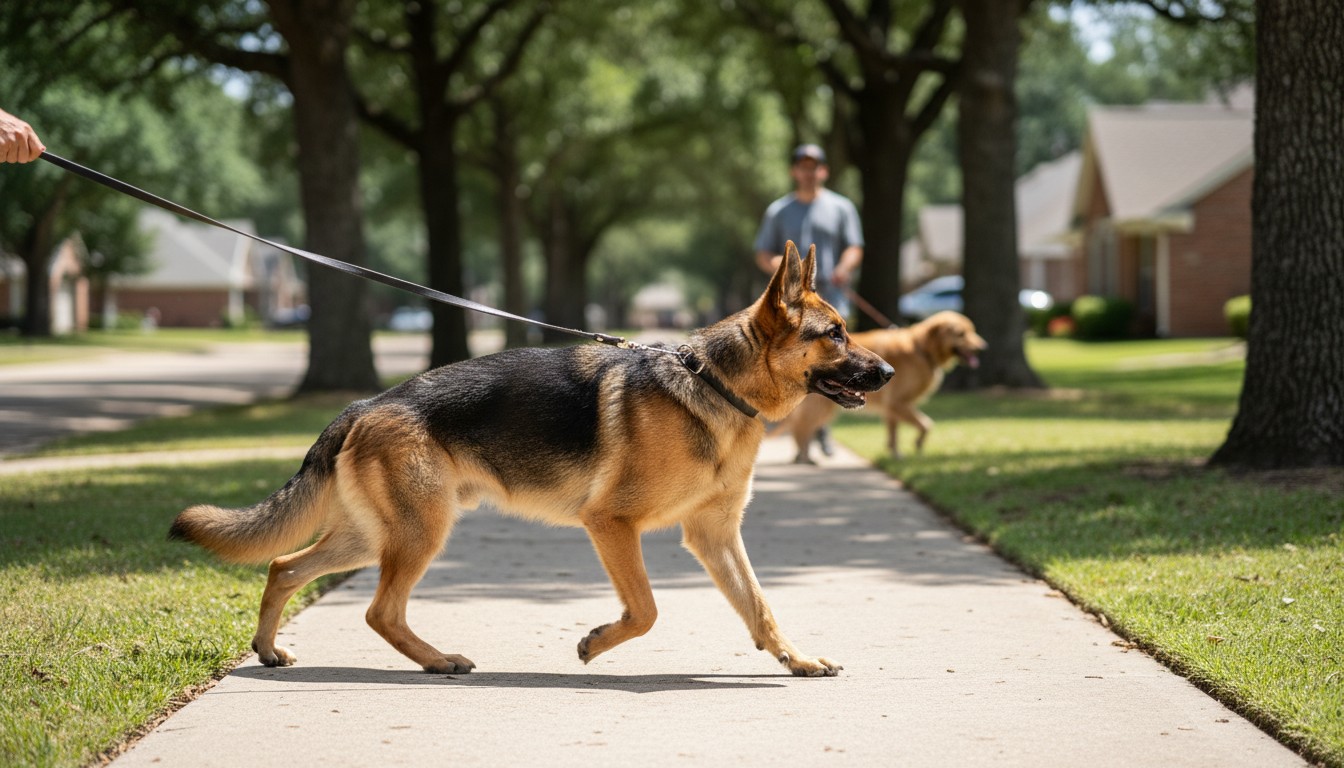
Traditional puppy schools often allow 'free-for-all' play sessions, which can be detrimental. In these environments, puppies learn that other dogs equal high-octane wrestling. When you later try to walk that same dog down a busy street in Sydney or Melbourne, they become frustrated because they can’t reach the other dogs they see. This frustration often manifests as barking, pulling on the lead, and lunging. By prioritising neutrality over interaction from day one, you build a foundation of focus and calm that lasts a lifetime. You want your dog to see the world as a series of interesting but ultimately ignorable events, allowing them to remain connected to you regardless of what is happening five metres away.
Understanding the Frustrated Greeter Phenomenon
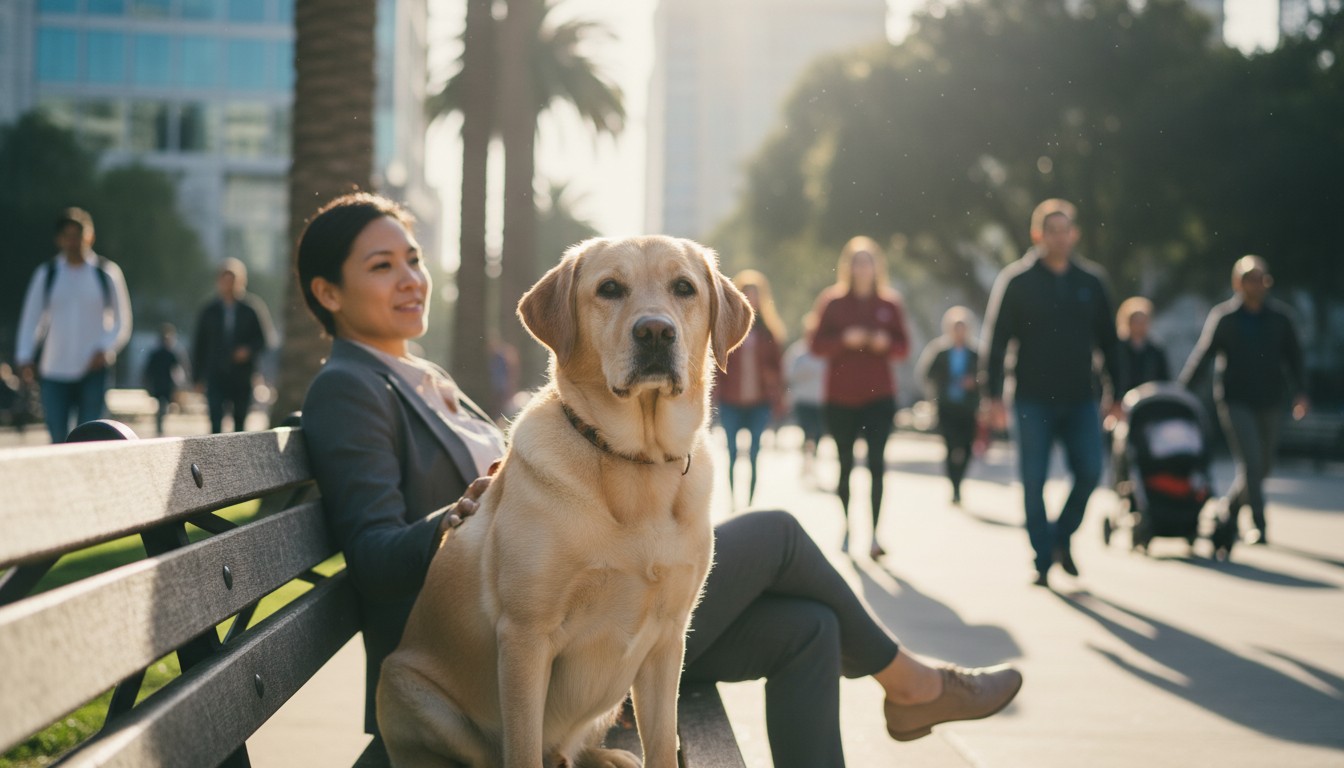
A 'frustrated greeter' is a dog that loves people and other dogs so much that they lose their mind when they can't get to them. This is a very common issue for Australian owners who have socialised their dogs 'too well' in the traditional sense. These dogs aren't aggressive; they are simply overwhelmed by the expectation of a greeting. Because they have been allowed to meet every dog they see at the local park or outside the Woolworths entrance, they now view every dog as a missed opportunity for a dopamine hit.
To fix this, we must change the dog's reward history. If your dog’s history is 100% interaction and 0% ignoring, they will naturally struggle. We need to tip the scales. Training your dog to be neutral involves showing them that ignoring the 'distraction' is actually what leads to the best rewards—like a piece of tasty devon or their favourite ball. It requires patience and a commitment to keeping your dog at a distance where they can still think clearly. If your dog is already lunging, you are too close. Success is found in the quiet moments of disengagement, where your dog notices a trigger and then chooses to look back at you instead of pulling towards it.
The Neutrality Protocol: Rewarding Disengagement
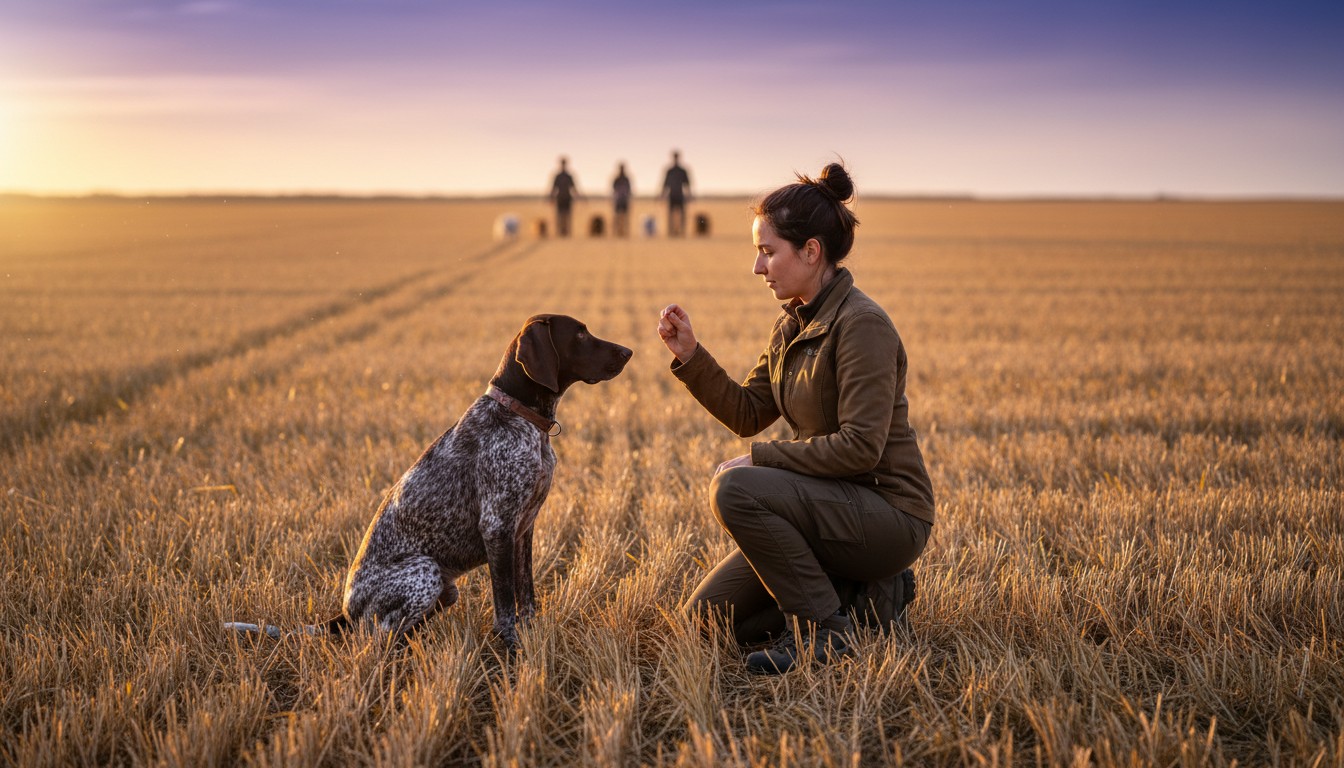
The core of teaching socialisation as neutrality is a process called 'Mark and Move' or the 'Look at That' (LAT) game. The goal is to reward your dog for the split second they look at a distraction and then look away. Start in a low-distraction environment, like your backyard or a quiet cul-de-sac. Use high-value treats that your dog rarely gets at home—small pieces of roast chicken or cubed cheese from Coles work wonders. When your dog spots a distraction at a safe distance, 'mark' the calm observation with a word like 'Yes!' or a clicker, and then deliver a treat.
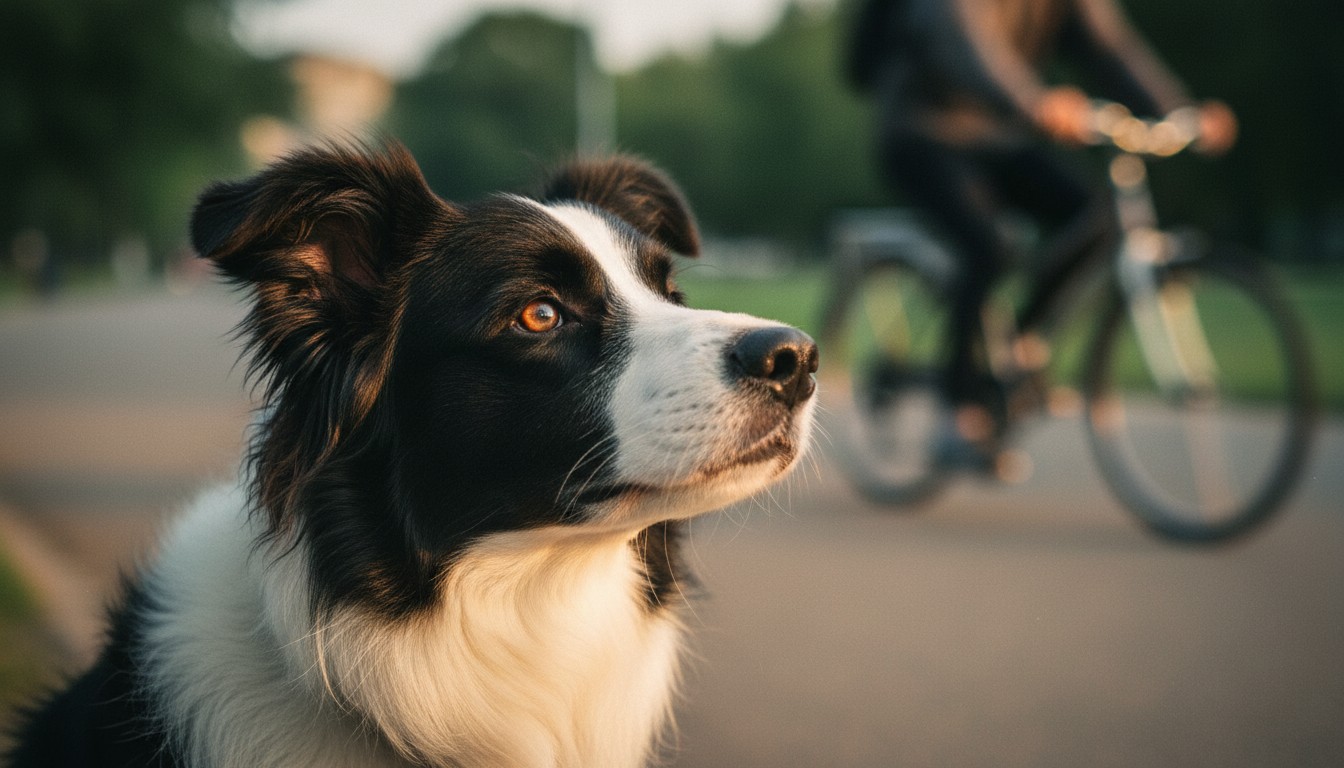
You are essentially building a new 'muscle memory' for your dog’s brain. Instead of 'See Dog -> Pull', the new sequence becomes 'See Dog -> Look at Owner -> Get Reward'. Gradually, you can move closer to the distractions, but only if your dog remains neutral. If you’re at a local park and a group of kids starts playing nearby, use that as a training opportunity. Stand 20 metres away and reward your dog for every calm breath and every check-in with you. This isn't just about 'distracting' your dog; it's about changing their emotional response to the environment. We want them to feel that being neutral is the most rewarding job they have ever had.
Real-World Training: From Bunnings to the Beach
Australia offers incredible outdoor opportunities for our dogs, but these high-traffic areas are the ultimate test of neutrality. Places like Bunnings Warehouse (which is famously dog-friendly) are excellent training grounds, provided you go during off-peak hours. The smells, the trolley noises, and the overhead announcements provide a rich tapestry of stimuli. When training in a store, keep your movements slow and deliberate. If someone asks to pat your dog, it is perfectly okay to say, 'Sorry, we’re in training right now!' This protects your dog's mental space and reinforces the idea that public outings are for staying calm, not for socialising.
Similarly, Australian beaches can be overwhelming for dogs. The combination of splashing water, flying frisbees, and other running dogs can send arousal levels through the roof. Before you ever let your dog off-lead at a beach, they must prove they can be neutral on a long-line lead. Practice 'settling' on a towel while the world goes by. If your dog can't relax and lie down while other dogs play 10 metres away, they aren't ready for full freedom. Consistency across different environments—from the bushwalk to the suburban street—is what solidifies the concept of neutrality. Remember, a dog that can ignore a seagull at the beach is a dog that is much safer and easier to manage in any scenario.
Troubleshooting: When Your Dog Struggles to Stay Neutral
Training doesn't always go linearly, and there will be days when your dog seems to have forgotten everything. Often, this is due to 'trigger stacking'. This happens when your dog experiences multiple small stressors in a short period—like a loud motorbike, a neighbor's barking dog, and then a gust of wind—until they finally reach a breaking point. If your dog is having a 'bad' day, the best thing you can do is reduce the difficulty. Go back to a quieter area, increase the distance from distractions, or simply end the session on a positive note and go home. There is no shame in management; using a head halter or a well-fitted front-clip harness can give you more control while you work on the underlying behaviour.
Signs that you need to adjust your approach include constant panting, inability to take treats, or 'pacing'. If your dog is 'over threshold', they are no longer learning; they are simply reacting. In these moments, your priority is to calmly move away. If you find that your dog's reactivity is based on deep-seated fear rather than just over-excitement, it may be time to consult a professional. Look for trainers accredited by organisations like the Association of Pet Dog Trainers (APDT) Australia. They can provide a tailored plan that ensures your dog's welfare is protected while you work towards that goal of neutrality. A professional can help you distinguish between a frustrated greeter and a dog that is genuinely fearful of its environment.
FAQ
At what age should I start training my puppy for neutrality?
You can start the moment you bring your puppy home, usually around 8 weeks of age. Begin with low-level exposures in your own garden or front yard, rewarding your puppy for simply watching the world go by without lunging or barking.
Is it okay if I never let my dog meet other dogs on the lead?
Absolutely. Many professional trainers recommend a 'no greetings on lead' policy. This removes the ambiguity for the dog and prevents the frustration that leads to reactivity. Your dog can have their social needs met through structured playdates with known 'dog friends' in a private setting instead.
What are the best treats for training neutrality in high-distraction areas?
In Australia, many trainers recommend high-value, 'smelly' treats like small pieces of devon, kabana, or roast chicken. These are more motivating than standard dry kibble when your dog is competing with the distractions of a busy park or cafe.
Conclusion
Mastering socialisation as neutrality is a journey, not a destination. It requires a shift in how we view our dogs' roles in our social lives. By teaching your dog that they don't have to greet every passerby, you are giving them the gift of a stress-free life. They no longer have to worry about how to handle every encounter; they simply have to stay focused on you. This leads to a much more enjoyable experience for both ends of the lead, whether you're at a local market or trekking through the bush. Always remember to be patient with your dog and yourself. If you ever feel overwhelmed or if your dog's behaviour becomes a safety concern, please reach out to a certified Australian dog trainer. With consistency and the right rewards, you'll soon have a dog that is the envy of every cafe patron—calm, collected, and perfectly neutral.
References & Sources
This article was researched using the following sources:


