














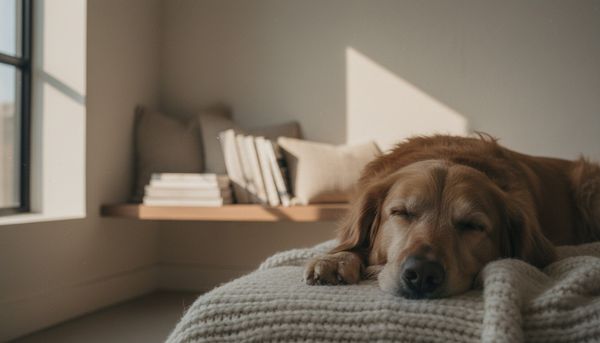
Bringing a new furry family member home is a massive milestone, but for the animal, it can be a sensory whirlwind. Creating a dedicated low-stimulus decompression zone for new pets is the most effective way to manage their transition and lower elevated cortisol levels. Most Australian pet owners focus on buying a new lead or a fancy bed from Kmart, but they often overlook the environmental engineering required to help a pet feel safe. In this guide, we will explore how to design a sanctuary that prioritises acoustic dampening, light control, and scent neutrality. By following these steps, you can prevent the 'sensory flooding' that often leads to early-day behavioural issues, ensuring your new mate settles in without the drama of a high-stress environment.
Strategic Soundproofing with Australian Household Items
A pet's hearing is vastly more sensitive than a human's, making the typical Australian suburban soundscape—from the afternoon postie on his bike to the distant hum of a neighbour’s lawnmower—potentially terrifying. To create an effective low-stimulus zone, you need to address both external noise intrusion and internal echoes. Hard surfaces like floorboards or tiles, common in modern Aussie homes, amplify sound and can keep a pet in a state of 'high alert.'
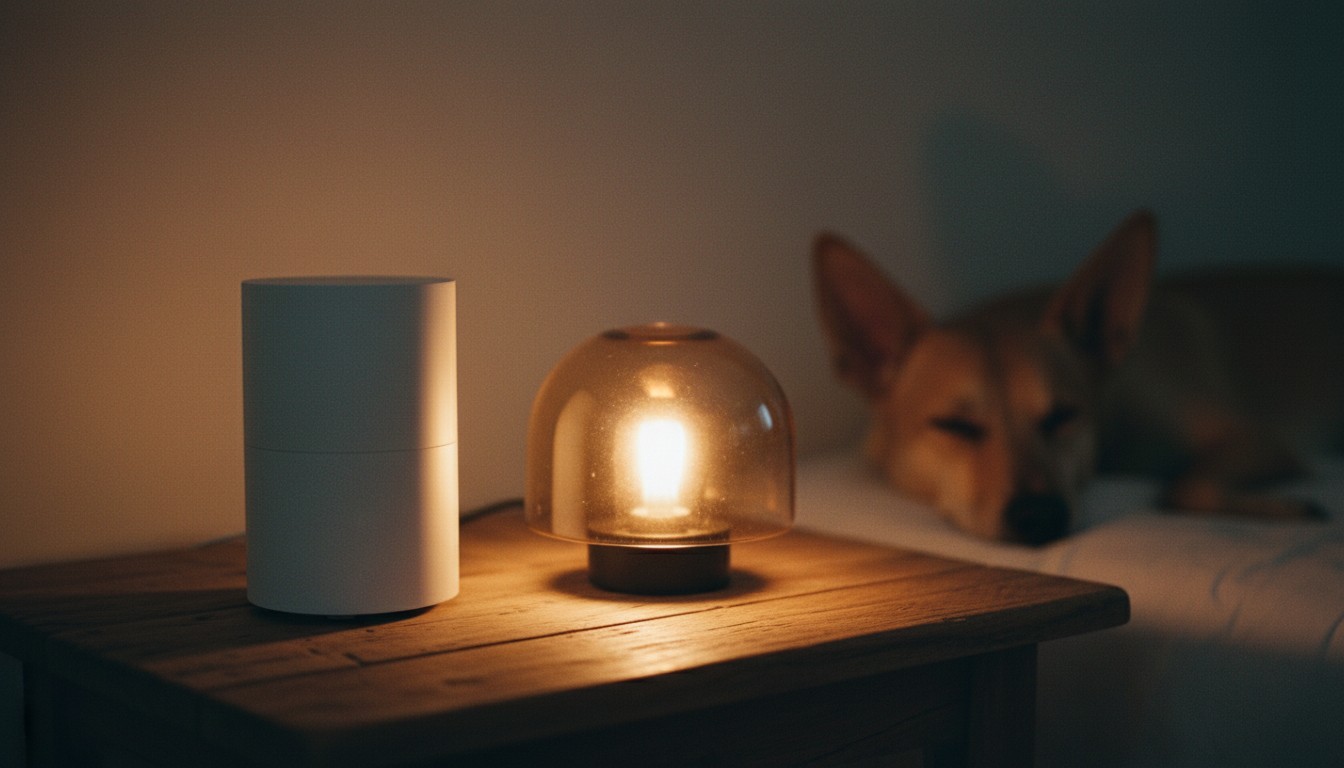
Start by dampening the room’s acoustics. You don't need expensive professional foam; a quick 'Bunnings run' for heavy-duty moving blankets or thick rubber mats can work wonders. Drape these over crates or hang them against shared walls to absorb vibrations. Additionally, consider the 'white noise' factor. A dedicated white noise machine or even a fan on a low setting can mask sudden sharp sounds that might trigger a startle response. Aim for a consistent, low-frequency hum that creates a 'sound cocoon' for the animal.
When choosing your location, avoid rooms adjacent to high-traffic areas like the kitchen or the laundry during a spin cycle. If your pet is a rescue dog, remember they may have spent weeks in a loud kennel environment; the transition to a 'managed quiet' space is vital for their nervous system to reset.
Lighting Control and Visual Sanctuary Design
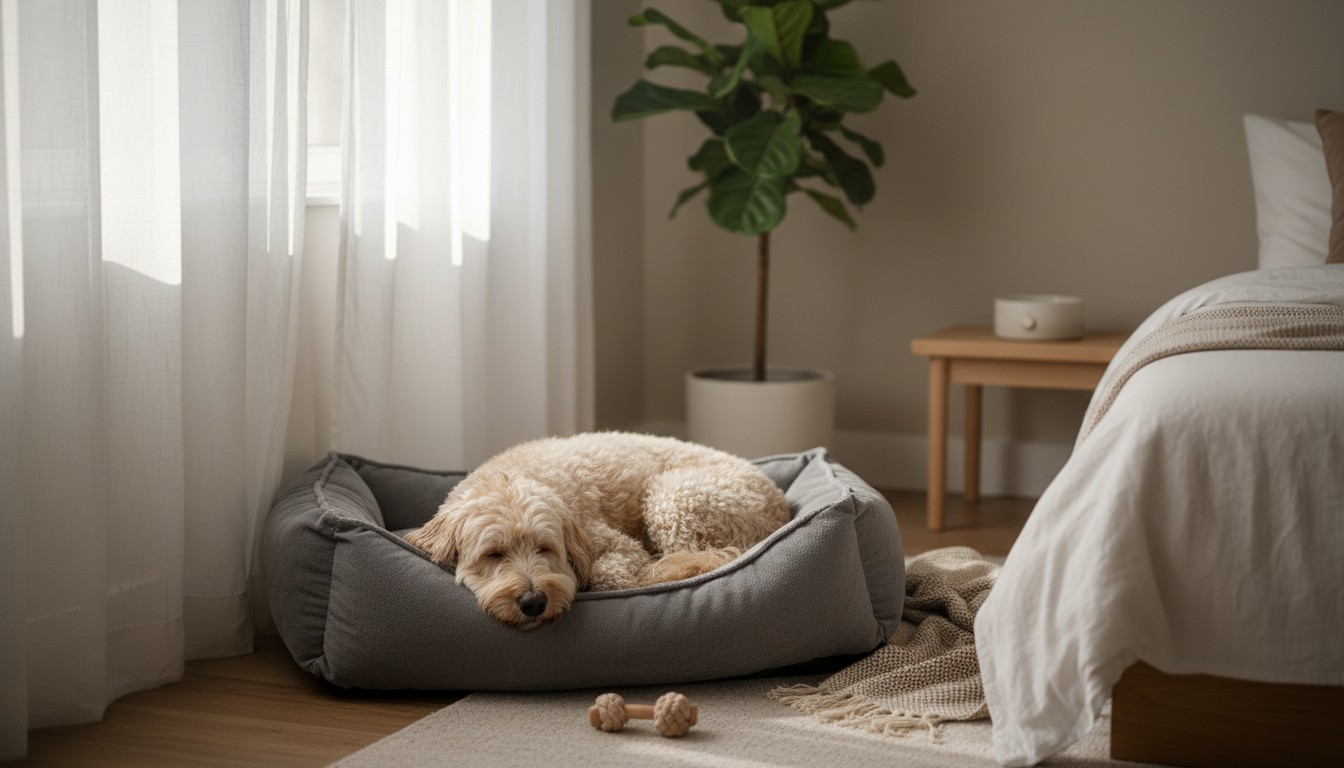
Visual overstimulation is a primary driver of cortisol production in new pets. While we love a bright, airy home, a new pet often finds large windows and bright fluro lights overwhelming. For a decompression zone to be effective, you must control the 'visual horizon.' If your pet is constantly scanning windows for movement—like the local magpies or passing cars—they never truly disengage from their environment.
Install blockout curtains or temporary blinds (available cheaply at Kmart Australia) to limit outside views. If you prefer natural light, use frosted window film on the lower half of the glass so the pet cannot see street-level triggers while lying down. Inside the zone, opt for warm-toned lighting. Avoid cool blue-spectrum LEDs which can interfere with the production of melatonin and disrupt the pet’s sleep-wake cycle. A simple lamp with a warm 2700K bulb is far better than a bright overhead light.
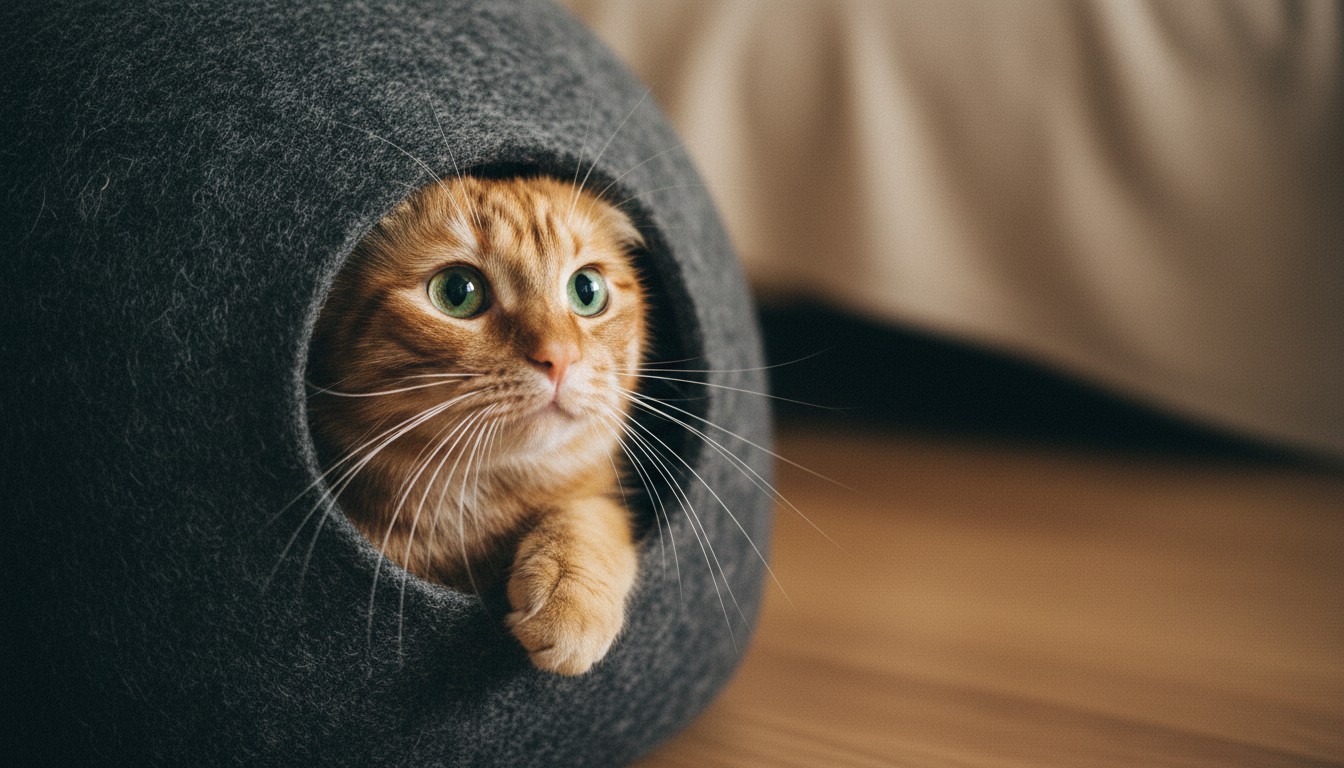
Furthermore, consider the 'height' of the visual environment. For cats, a high shelf in the zone provides a sense of security through verticality. For dogs, a 'den' style setup—where they have a roof over their head—mimics a natural burrow. This visual enclosure signals to the brain that no threats can approach from above or behind, allowing for deep, restorative sleep.
Scent Neutrality and Pheromone Integration
In Australia, we love our scented candles and eucalyptus-based cleaners, but these can be an olfactory assault for a new pet. A dog’s nose is up to 100,000 times more sensitive than ours. To truly decompress, a pet needs an 'olfactory neutral' space. Before their arrival, wash the area with unscented, pet-safe cleaners. Avoid using strong air fresheners or essential oil diffusers in the decompression zone, as many oils (like tea tree or citrus) are not only overwhelming but can be toxic to pets.
Once the space is neutral, you can strategically introduce calming scents. Synthetic pheromone diffusers, such as Adaptil for dogs or Feliway for cats, are highly recommended by Australian vets. These mimic the natural appeasing pheromones released by a mother animal, providing a subconscious signal of safety.
You should also include a 'scent bridge.' If the pet came from a foster home or shelter, try to bring a piece of bedding that smells like their previous environment. Alternatively, place an unwashed t-shirt of yours in the zone. This allows the pet to bond with your scent in a safe, low-pressure way without the physical intrusion of a human hovering over them. This scent-swapping technique is a cornerstone of professional animal behaviour modification.
Mapping the Safe Zone Layout
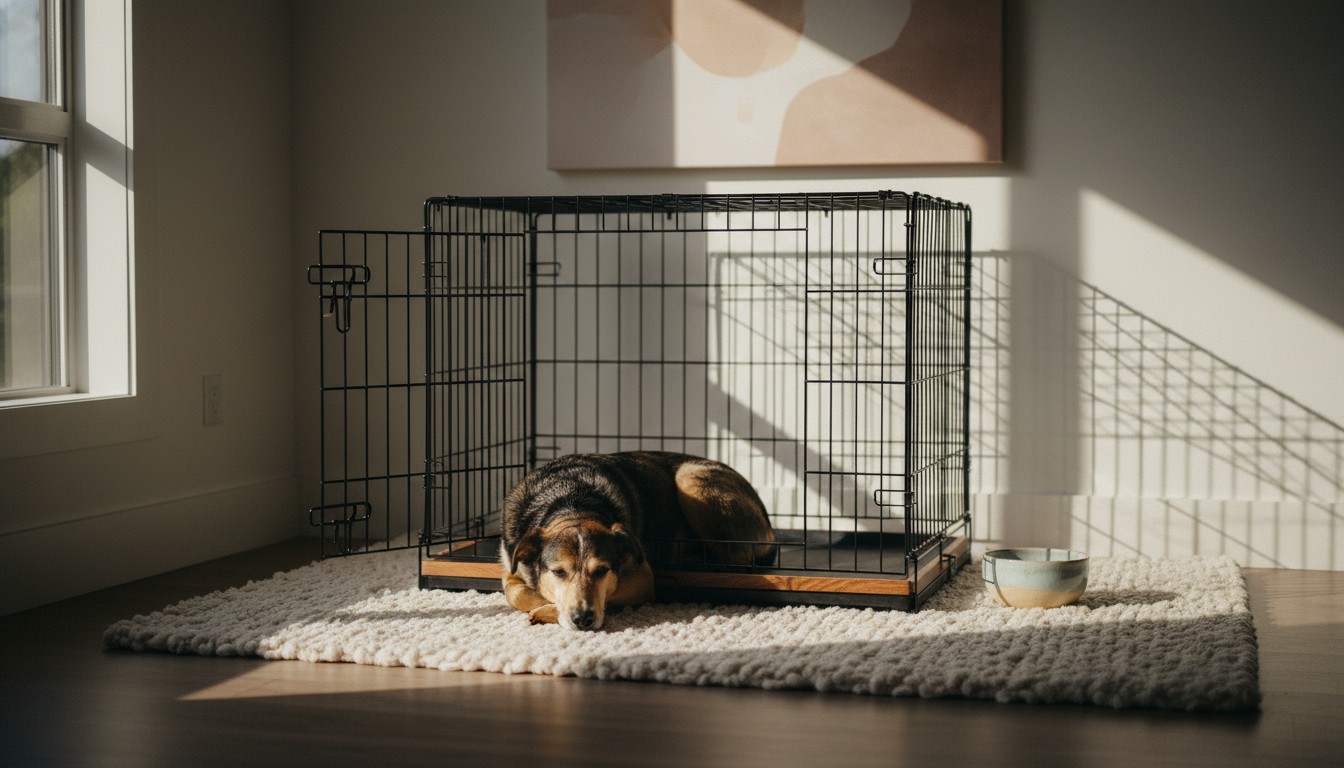
The physical layout of the decompression zone determines how effectively a pet can 'turn off.' The golden rule is to provide 'choice and control.' A pet that feels trapped will never truly decompress. The zone should be a 'dead-end' area of the house where the pet isn't forced to interact with residents to move between their bed, water bowl, and a safe exit point.
Place the bed or crate in a corner, ensuring there are at least two solid walls protecting the pet. This limits the 'angles of approach' they have to monitor. Ensure the water bowl is a few metres away from the sleeping area—many animals prefer not to eat or drink where they sleep. If the zone is for a cat, include a litter tray at the opposite end of the room to maintain hygiene and natural instincts.
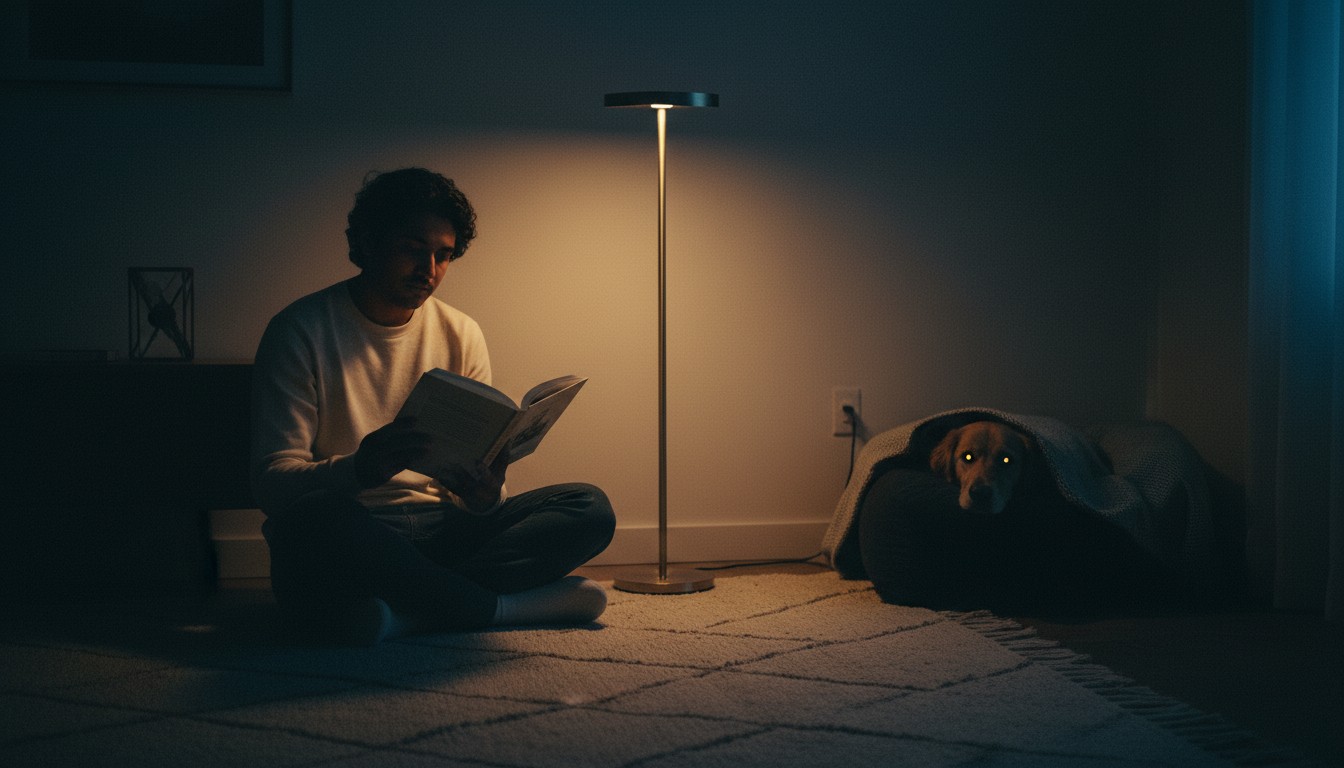
For Australian homes with open-plan living, use modular pet gates or playpens to define the boundary. This prevents the 'roaming' that leads to accidents or anxiety-induced destructive behaviour. The goal isn't isolation, but 'proximity without pressure.' You should be able to sit in the same room on the lounge, reading a book, while the pet remains in their zone. This teaches them that your presence is non-threatening and doesn't always demand a high-energy interaction.
Troubleshooting: When the Zone Isn't Enough
Even with a perfect setup, some pets may struggle to settle during their first 72 hours. It is important to recognise the signs of 'over-threshold' behaviour. If your pet is pacing incessantly, panting while resting, or showing the 'whale eye' (where the whites of their eyes are visible), the stimulus levels may still be too high.
Check for 'invisible' triggers. Is there a buzzing electronic device nearby? Is the floor too slippery for them to feel stable? Sometimes, the temperature is the culprit. During an Australian summer, a laundry or garage can become a heat trap; ensure the zone is climate-controlled to around 20-22 degrees Celsius. If the pet refuses to eat even high-value treats from Woolworths or Coles in the zone, they are likely too stressed to function.
If these behaviours persist for more than 48 hours without improvement, it may be time to consult a professional. High-level anxiety can sometimes require short-term pharmaceutical support from a vet to allow the 'learning' part of the brain to function. Don't view this as a failure of your setup, but rather as a necessary bridge for a particularly traumatised or sensitive animal. Consistency is your best friend—don't keep moving the zone, as this forces the pet to start the decompression process all over again.
FAQ
How long should my new pet stay in the decompression zone?
Most experts recommend a minimum of 3 days (the '3-3-3 rule') for initial decompression. However, for rescue animals or anxious pets, it may take 2-3 weeks before they are ready to explore the rest of the home without a rise in cortisol.
Can I use the laundry as a decompression zone?
While the laundry is popular in Australia because of the easy-to-clean tiles, it is often too loud due to appliances. If you use it, ensure the washing machine isn't running and add rugs to dampen the echo of the hard surfaces.
Should I leave the TV or radio on for my pet?
Only if it is specifically calming music (like 'Through a Dog's Ear') or white noise. Standard TV programmes have unpredictable volume spikes, shouting, and high-pitched noises that can be highly stimulating and counter-productive.
What if my other pets want to enter the zone?
The decompression zone must be off-limits to resident pets for the first few days. Introductions should happen in neutral territory later. Allowing a resident pet to 'invade' this safe space can cause the new pet to feel trapped and defensive.
Conclusion
Designing a low-stimulus decompression zone for new pets is an act of empathy that pays dividends in long-term behaviour and trust. By managing the acoustic, visual, and olfactory environment, you provide your new companion with the best possible start in their 'forever home.' Remember to be patient; the transition period is a marathon, not a sprint. While most pets will adjust within a few weeks, some may require more time or professional intervention. If you notice persistent signs of distress—such as self-harming, extreme aggression, or a total refusal to eat—please consult an Australian veterinary behaviourist. Your local vet can provide referrals to certified professionals who specialise in anxiety management. With the right environment and a bit of 'no drama' Aussie patience, your new pet will be a relaxed member of the family in no time.
References & Sources
This article was researched using the following sources:


