














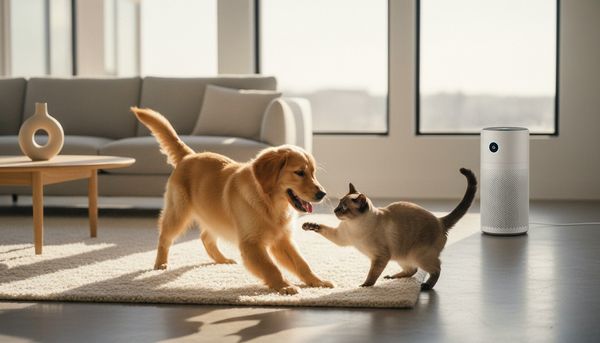
Many Australian pet owners love to keep their homes smelling fresh, often reaching for the latest essential oil diffuser from Kmart or a fragrant candle from Woolworths. However, the rise of home fragrancing has brought an increase in airborne hazards for pets that many are completely unaware of. While these products are marketed as 'natural' or 'therapeutic', the aerosolised droplets and volatile organic compounds (VOCs) they release can be significantly more dangerous than simple odours. For our dogs and especially our cats, these airborne hazards for pets are not just about a strong smell; they involve complex chemical interactions that can lead to severe respiratory distress or long-term organ damage. Understanding how these substances travel through the air and interact with your pet's unique physiology is the first step in creating a truly safe home environment in Australia.
The Aerosol Mechanism: Inhalation vs. Ingestion
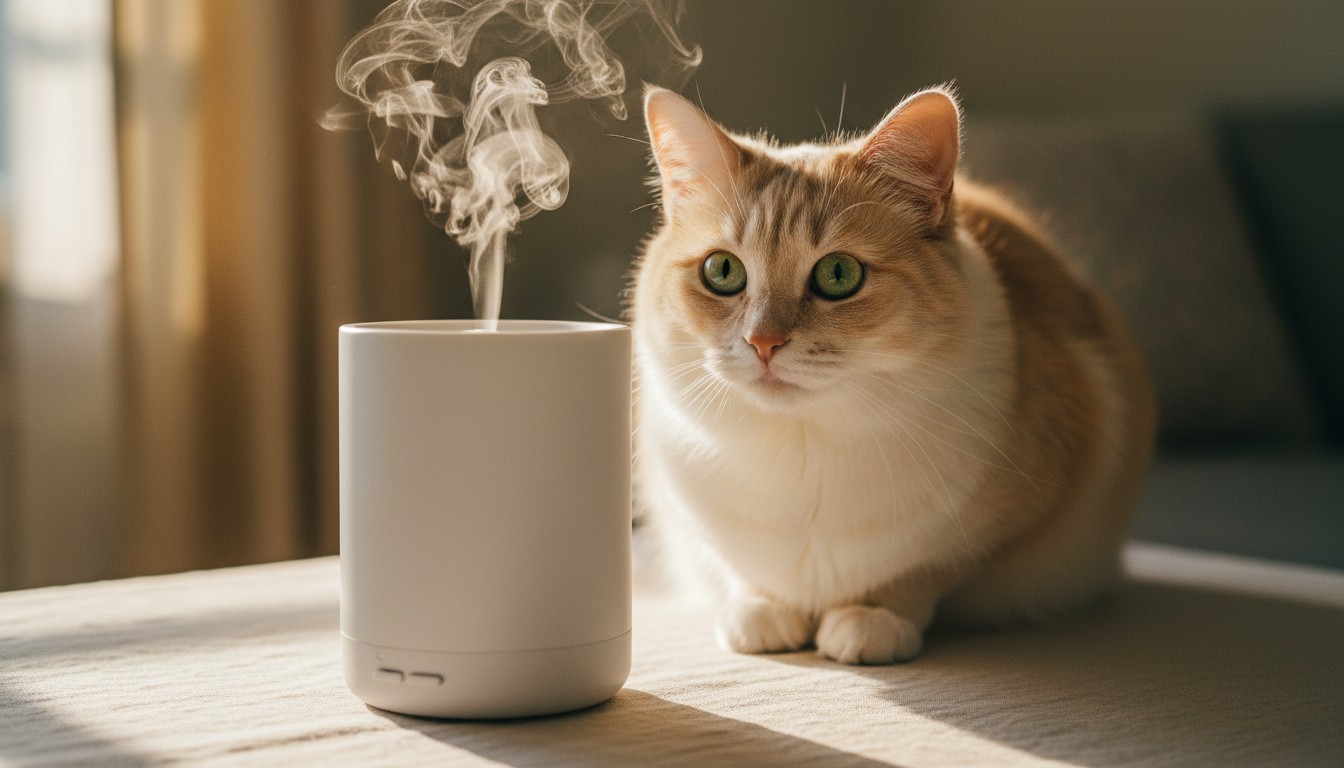
When you operate an essential oil diffuser, particularly the ultrasonic models common in Australian households, you aren't just releasing a scent. These devices break down oils into microscopic droplets that are suspended in the air. For a pet, these droplets present a two-fold risk. First, they are inhaled directly into the lungs, where the thin alveolar membranes allow chemicals to enter the bloodstream rapidly. Unlike humans, who have larger lung capacities and different metabolic rates, pets (especially smaller breeds and cats) can be quickly overwhelmed by these concentrations.
Secondly, these aerosolised droplets eventually settle. In an enclosed Australian living room, they land on furniture, bedding, and most critically, your pet’s fur. Dogs and cats are meticulous self-groomers. This means that a 'respiratory' hazard quickly becomes an ingestion hazard. As your cat cleans its coat, it ingests the concentrated essential oil residue that has settled out of the air. This cumulative exposure—breathing the mist for hours and then licking the residue—is why diffusers running continuously in small spaces pose such a high risk to animal welfare.
Liver Function and the Phenol Problem
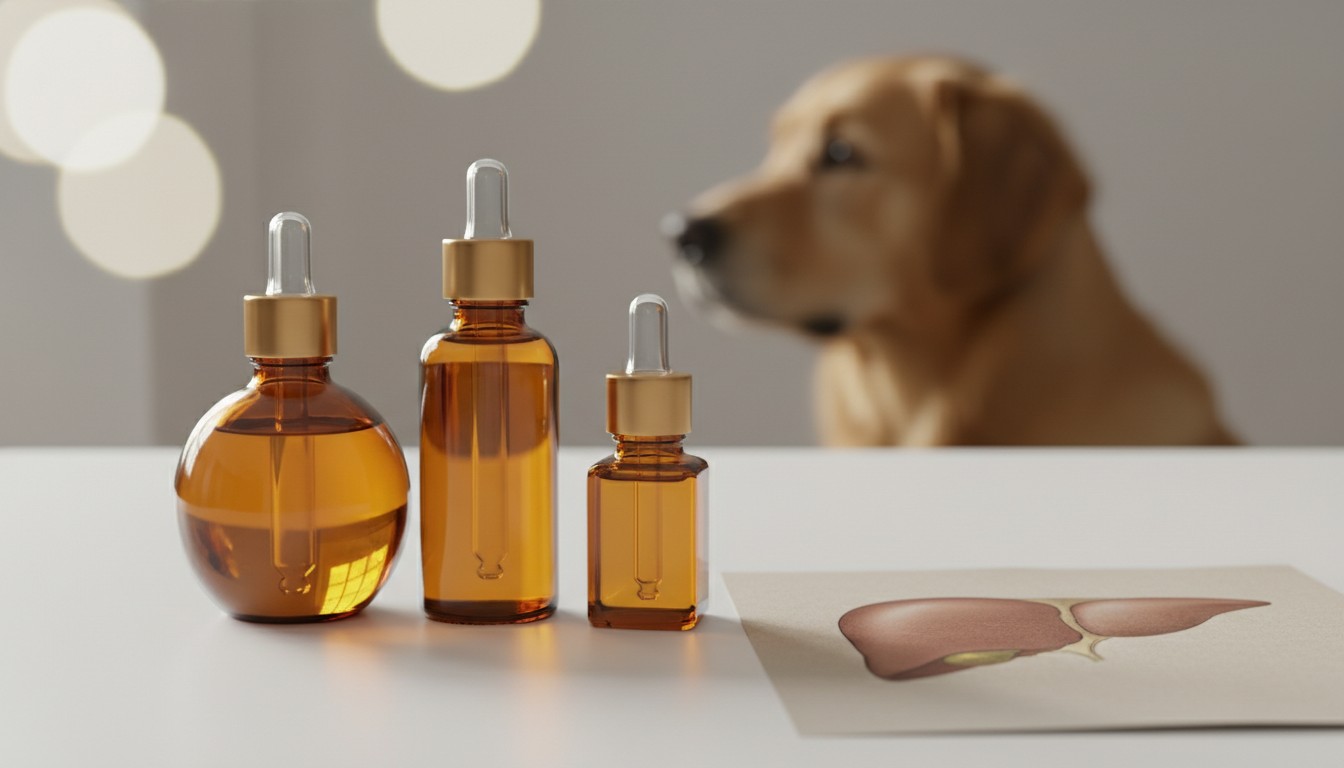
The biological mechanism of harm is most pronounced in cats due to their unique liver physiology. Felines lack a specific enzyme called glucuronyl transferase, which is essential for the process of glucuronidation. This metabolic pathway is what most mammals use to break down and eliminate phenols and monoterpenes—compounds found in high concentrations in 'natural' oils like tea tree, eucalyptus, and peppermint.
Because they cannot metabolise these compounds efficiently, the toxins build up in the cat's system over time. Even if you don't see an immediate reaction, 'low-dose' exposure from a daily diffuser can lead to cumulative liver toxicity. In Australia, where eucalyptus and tea tree oils are staples for their antibacterial properties, the risk of accidental poisoning is notably high. Symptoms of liver compromise may be subtle at first, including lethargy or a slight change in appetite, but can progress to jaundice or organ failure if the airborne source isn't removed.
Scented Candles and Particulate Matter
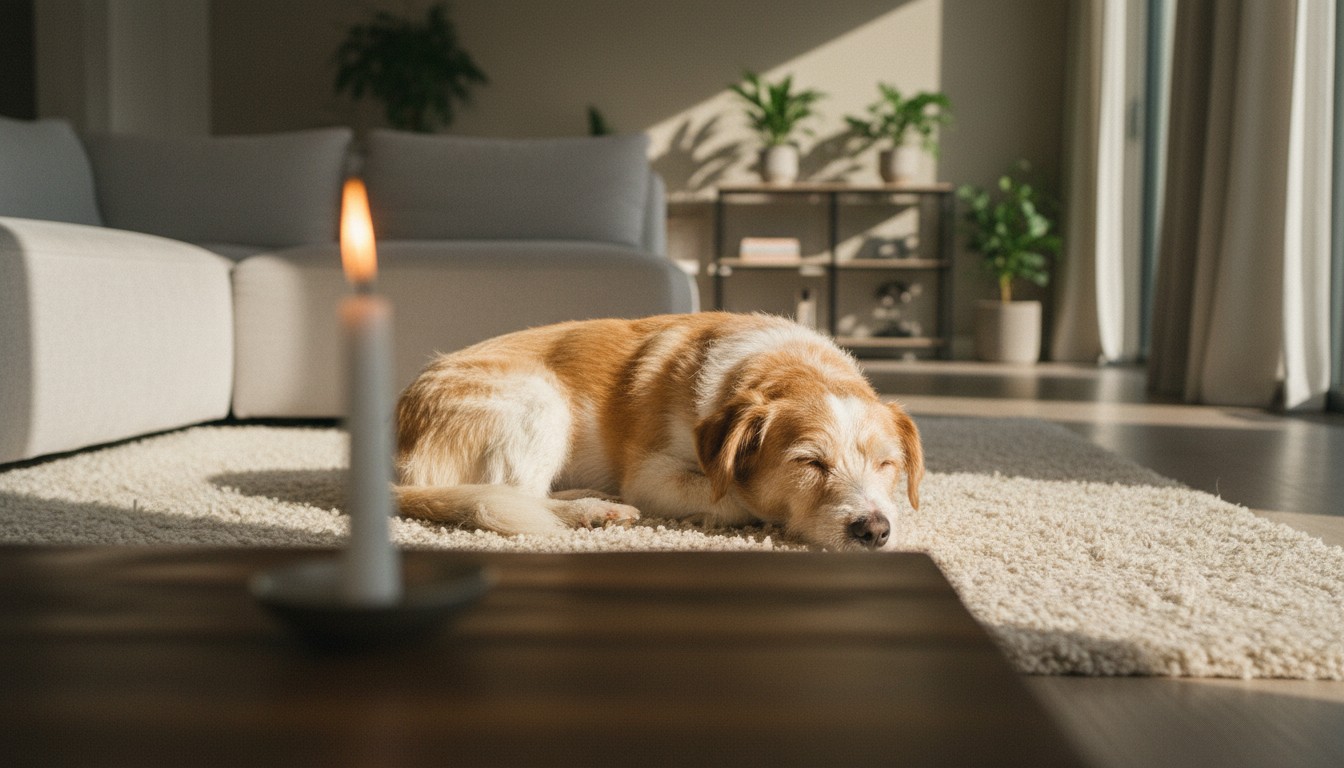
Scented candles might seem safer than diffusers because they don't 'spray' oil, but they introduce a different category of airborne hazards: particulate matter and VOCs. Many budget-friendly candles sold at major Australian retailers are made from paraffin wax, a petroleum byproduct. When burned, paraffin releases chemicals like benzene and toluene into the air, which are known carcinogens and respiratory irritants.
Furthermore, the 'soot' produced by candles—especially when the wick is not trimmed correctly—consists of ultra-fine particles that can be inhaled deeply into a pet's lungs. For dogs with brachycephalic (flat-faced) features like Pugs or French Bulldogs, these particulates can exacerbate existing breathing difficulties. Even 'natural' soy or beeswax candles can be problematic if they contain synthetic fragrances or phthalates, which are used to make scents last longer but can trigger asthma attacks in sensitive pets. If you notice a dark ring on your wall or ceiling near your candle, that same soot is entering your pet's respiratory system.
Recognising the Signs of Respiratory Distress
It is vital for pet owners to recognise when the air quality in their home is affecting their animals. Unlike humans, who might just get a headache, pets exhibit specific physical signs of respiratory irritation. In cats, this often looks like 'hacking' or coughing with the neck extended, which owners frequently mistake for a hairball. If your cat is 'coughing' but nothing comes up, it may be an asthma-like reaction to an airborne irritant.
In dogs, signs include excessive panting even when cool, watery eyes, or sneezing. More severe signs of toxicity from essential oils include wobbliness (ataxia), muscle tremors, or a sudden onset of vomiting. Because many Australians keep their homes closed up for air conditioning during the peak of summer, these airborne pollutants reach much higher concentrations. If you notice your pet becomes lethargic or develops a cough only when the diffuser is on or a candle is lit, you have a clear indication of a sensitivity that needs immediate attention.

Safer Alternatives and Ventilation Strategies
Maintaining a fresh-smelling home doesn't have to come at the expense of your pet's health. The most effective strategy is 'source source removal'—avoiding the most toxic oils like tea tree, cinnamon, citrus, and peppermint. If you must use scents, opt for passive diffusers like reed diffusers placed high out of reach, which don't create an aerosolised mist. However, even these should be used sparingly in well-ventilated areas.
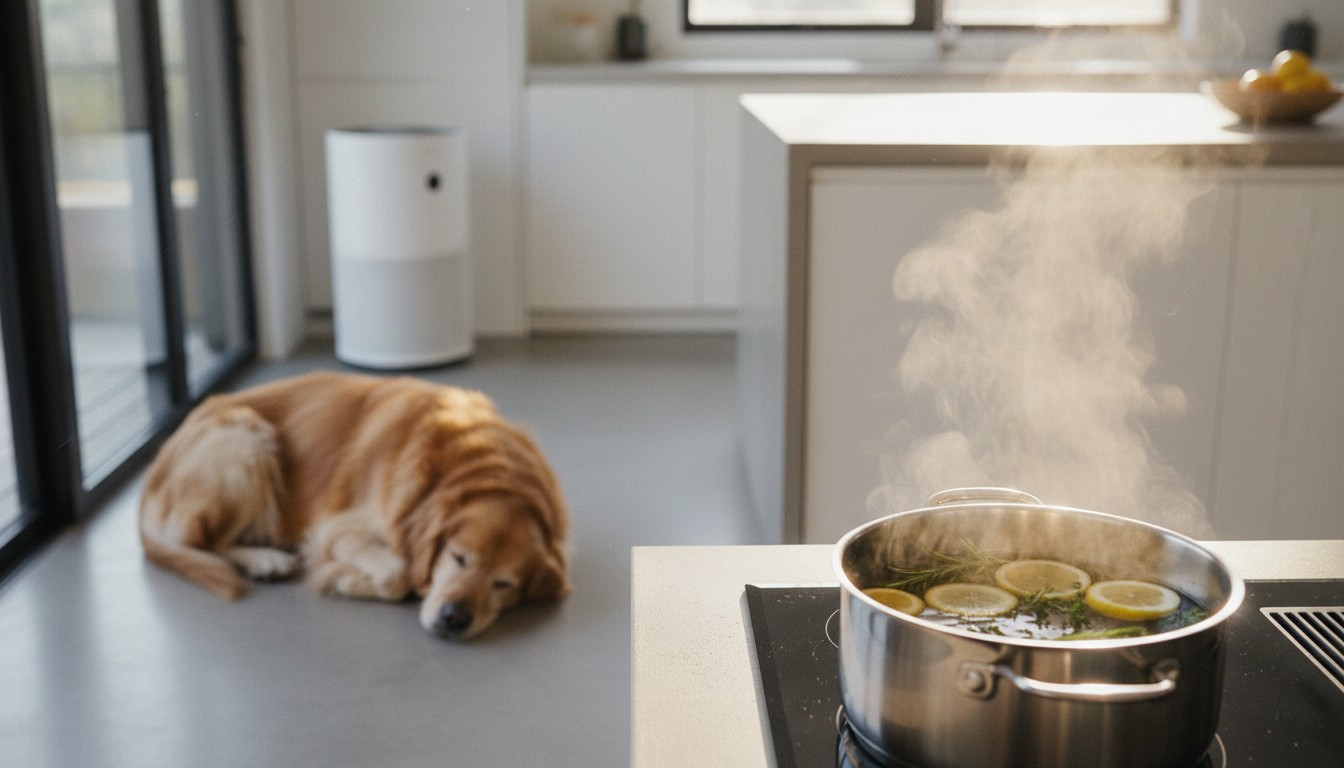
Improving air quality in Australian homes can be as simple as opening windows to create a cross-breeze, even for 15 minutes a day. Using a high-quality air purifier with a HEPA filter and an activated carbon layer can help capture both particulates and VOCs. For those who love candles, switching to 100% Australian beeswax candles with cotton wicks is a much cleaner option, as they produce significantly less soot and no petroleum vapours. Always ensure your pet has a 'scent-free' zone—a room where no fragrances are used—so they can escape if a smell becomes overwhelming to their sensitive noses.
Troubleshooting and Emergency Action
If you suspect your pet has been affected by airborne hazards, the first step is immediate removal from the environment. Take the pet outside for fresh air and open all windows in the house. If the pet has essential oil mist on their coat, do not let them groom; instead, wash them with a mild, pet-safe dish soap to remove the oily residue.
Monitoring is crucial. If your pet exhibits difficulty breathing, loses their balance, or appears disoriented, this is a veterinary emergency. Do not wait for symptoms to 'clear up' on their own. In Australia, you can contact the Animal Poisons Helpline or your local emergency vet clinic. It is helpful to take the bottle of essential oil or the candle packaging with you to the vet so they can identify the specific chemical compounds involved. Remember, early intervention is the best way to prevent permanent liver or lung damage.
FAQ
Is lavender essential oil safe to diffuse around cats and dogs?
While lavender is often cited as 'safe,' it still contains linalool, which can be irritating to a pet's respiratory tract. In high concentrations or small, poorly ventilated rooms, it can still cause distress or nausea. Always monitor your pet closely and ensure they can leave the room.
Can I use 'pet-safe' essential oils?
There is no official regulation for 'pet-safe' labels on oils. Even safer oils like cedarwood can be harmful if the concentration is too high or if the pet has pre-existing asthma. The safest approach is to avoid aerosolising any oils in the same room as your pet.
Why are cats more sensitive to diffusers than dogs?
Cats lack a liver enzyme (glucuronyl transferase) required to break down many chemicals found in essential oils. This makes them significantly more susceptible to toxicity from both breathing the air and licking oil droplets off their fur during grooming.
Are electric wax melters safer than candles?
Electric melters eliminate the soot and carbon monoxide from a flame, but they still release VOCs and concentrated scents into the air. If the wax contains synthetic fragrances or high levels of essential oils, the respiratory risk to your pet remains.
Conclusion
Airborne hazards for pets are often invisible, making them easy to overlook in our daily routines. While the aesthetic of a scented home is tempting, the physiological reality for our pets is that these scents are often toxic chemical loads. By understanding the mechanism of how aerosols settle and how specific compounds like phenols affect liver function, Australian pet owners can make more informed choices. Prioritise fresh air, use high-quality filtration, and be mindful of the products you bring home from the shops. If you ever notice changes in your pet's breathing or behaviour, consult your veterinarian immediately. Your pet relies on you to be the guardian of the air they breathe—ensure it's as clean and safe as possible.
References & Sources
This article was researched using the following sources:
