















Owning a new pet is one of the great Australian joys, but it often comes with unexpected hurdles. You might find your confident pup suddenly barking at a wheelie bin or your kitten darting under the lounge at the sound of the vacuum. These sudden shifts are known as developmental fear periods in puppies and kittens. Unlike general caution, these are biologically programmed windows where a young animal’s brain is hypersensitive to negative experiences. If handled incorrectly, a single scary encounter during these weeks can lead to traumatic imprinting, creating a lifelong phobia that is difficult to reverse. Understanding these windows is the difference between raising a resilient 'Aussie battler' of a pet and one that struggles with anxiety in every new environment.
The Biological Timeline of Fear Windows
In Australia, we often focus heavily on early socialisation, but the secondary fear period is frequently overlooked. Puppies typically experience their first fear window between 8 and 11 weeks of age. This often coincides with their first trip to the vet or their arrival at a new home. However, the 'secondary fear period' occurs much later, usually between 6 and 14 months for dogs, depending on the breed size. Larger breeds like Kelpies or Maremmas may experience this slightly later than smaller Terriers.
Kittens have a much tighter socialisation window, primarily between 2 and 7 weeks, but they can experience secondary shifts around the 4-to-5-month mark as they approach sexual maturity. During these times, the amygdala—the part of the brain responsible for processing fear—becomes hyper-reactive. This means that a stimulus that was previously neutral, like a neighbour’s lawnmower or a flapping Kmart bag, can suddenly be perceived as a life-threatening danger. It is a biological survival mechanism that has outstayed its welcome in our modern domestic lives.

Identifying a Fear Period vs. General Caution
It is vital to distinguish between a pet that is naturally shy and one entering a developmental fear period. A fear period is characterised by a 'sudden onset' of fear toward things the pet previously accepted. For example, if your pup has walked past the local Bunnings entrance a dozen times without issue but suddenly refuses to move and starts tucking their tail, they are likely in a fear window.
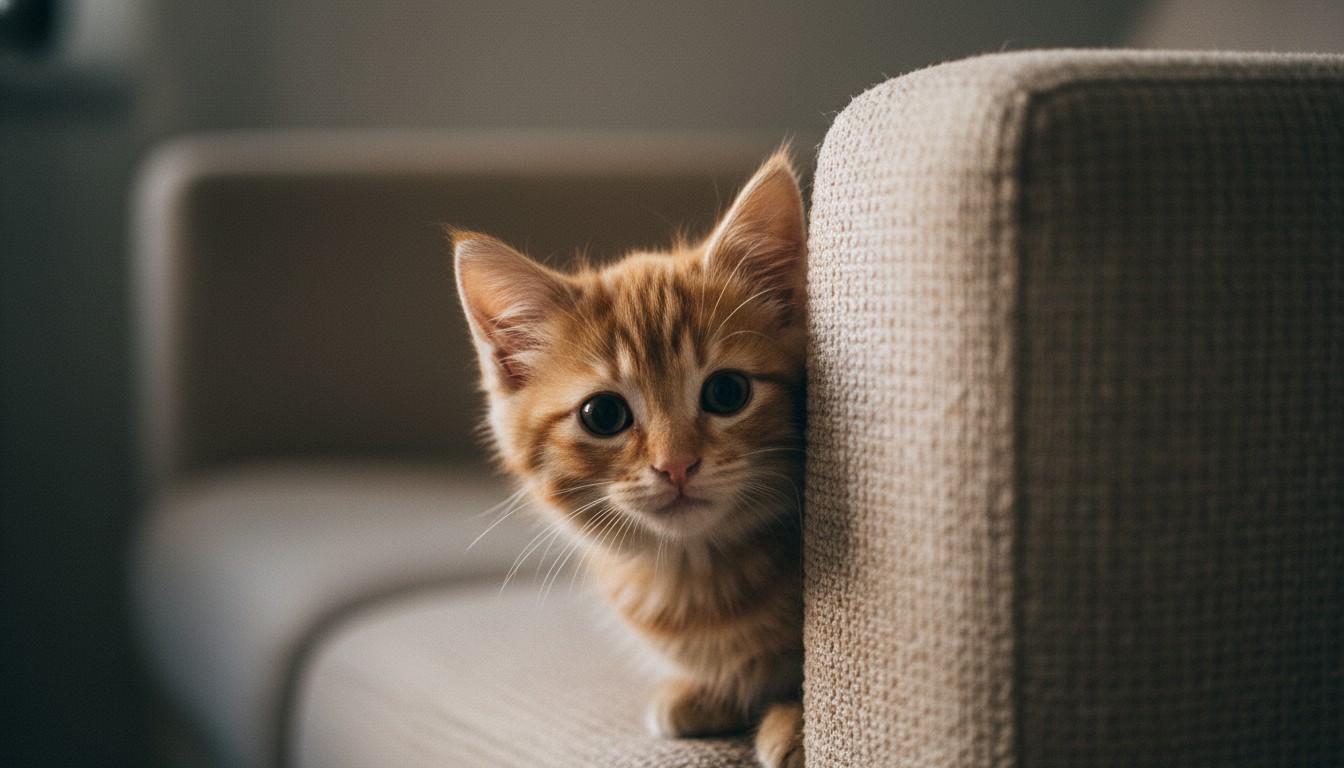
Signs to look for include dilated pupils, excessive panting (even in the shade), low tail carriage, and 'pancaking' (dropping flat to the ground). In kittens, look for flattened ears, a puffed-up tail, and a refusal to emerge from under furniture. This isn't your pet being 'naughty' or 'stubborn'; it is a physiological response. Recognising this early allows you to adjust your training intensity. If you see these signs at the local park or cafe, it is usually a signal that your pet’s 'bucket' is full, and it is time to head home before a negative association is permanently formed.
The Jolly Routine: How to React Without Coddling
When an Australian pet owner sees their 'fur baby' scared, the natural instinct is to scoop them up and coo, 'It’s okay, don’t be scared.' Unfortunately, in the world of animal behaviour, this can inadvertently reinforce the fear by providing high-value attention during a state of panic. Instead, professional trainers recommend the 'Jolly Routine.' This involves the owner acting as a confident, slightly silly leader to signal that the environment is safe.
If your puppy spooks at a cardboard box, don't force them to sniff it, but don't coddle them either. Instead, start moving around in a lighthearted way. Use a happy, higher-pitched 'jolly' voice, perhaps toss a treat near the object (not on it), and move yourself closer to the object with relaxed body language. If you are relaxed and playful, your pet takes their cue from you. This technique encourages the pet to use their own agency to investigate. Always allow them to retreat if they need to; forcing a pet to 'face their fears' during a developmental window is the fastest way to create a permanent phobia.

Navigating the Australian Environment Safely
The Australian lifestyle presents unique challenges during fear periods. From loud utes and motorbikes to the sudden screech of a Sulphur-crested Cockatoo, our environment is high-stimulus. During a known fear window, it is wise to 'curate' your pet's experiences. This doesn't mean locking them away, but rather avoiding high-stress environments like busy weekend markets or off-leash dog parks where you cannot control the interactions.
Focus on low-intensity exposure. If you want to go to a cafe, choose a quiet suburban one on a Tuesday rather than a bustling spot on a Saturday morning. If your puppy is spooked by the local magpies, practice 'look at that' games from the safety of your fly-screened porch before heading back onto the lawn. The goal is to ensure that every outing results in a 'win' for the pet’s confidence. Think of it like building a bank account of positive experiences to buffer against the occasional inevitable fright.

Troubleshooting: When Things Go Wrong
Even with the best management, accidents happen. A car might backfire right as you walk past, or a child might accidentally startle your kitten. If your pet has a genuine 'scare' during a fear period, the most important thing is the recovery period. Give your pet a 'cortisol break' for 48 to 72 hours. This means no new environments, no stressful training, and plenty of sleep. This allows their stress hormones to return to baseline levels.
If you find that your pet’s fear is not improving after a few weeks, or if they are starting to show signs of fear-aggression (growling, lunging, or snapping), it is time to seek professional help. In Australia, look for a 'Force-Free' or 'Positive Reinforcement' trainer accredited by the Pet Professional Guild Australia. A vet check-up is also recommended to ensure that a sudden change in temperament isn't actually a response to physical pain or discomfort, which can often mimic fear period behaviour.

FAQ
How long do developmental fear periods typically last?
Most fear periods are relatively short, lasting anywhere from a few days to about three weeks. During this time, it is crucial to remain patient and avoid forcing your pet into stressful situations.
Can I skip socialisation during a fear period?
You shouldn't stop socialisation entirely, but you should reduce the intensity. Instead of going to a busy park, stay on your driveway and watch the world go by. Keeping the experiences controlled and positive is more important than the quantity of exposures.
Why did my puppy suddenly start barking at people?
This is often part of the secondary fear period (6-14 months). They are suddenly more aware of their surroundings and may perceive strangers as threats. Use the 'jolly routine' and maintain a safe distance where they feel comfortable.
Does my kitten need a jolly routine too?
Yes! While cats are different, they still take cues from their owners. Playing with a feather wand near a 'scary' object or using high-value treats (like dine creamy treats) can help shift their emotional state from fear to curiosity.
Conclusion
Navigating developmental fear periods in puppies and kittens requires a blend of vigilance and relaxed leadership. By recognising these biological windows and responding with the 'Jolly Routine' instead of coddling, you help your pet build the neural pathways needed for lifelong resilience. Remember, this is a phase, not a permanent personality trait. However, the way you handle these few weeks will dictate your pet's confidence for years to come. If you feel overwhelmed, don't hesitate to reach out to a qualified Australian animal behaviourist. With patience, plenty of treats from the local Woolies, and a calm approach, you'll guide your young companion through the 'scary' times and into a confident adulthood.
References & Sources
This article was researched using the following sources:

