














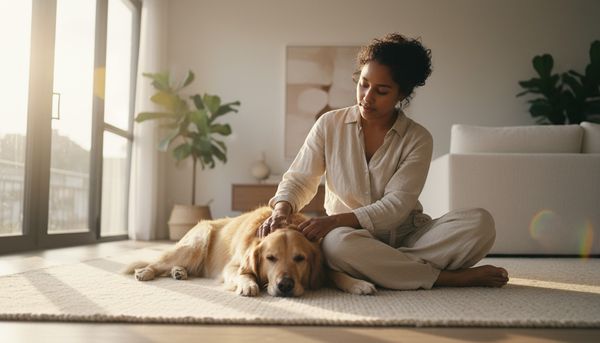
As a pet owner in Australia, you know that our furry mates are experts at hiding pain. Whether it is a bit of a limp after a romp at the local footy oval or a subtle change in their coat, catching health issues early is vital. Conducting a regular nose-to-tail pet health exam is the most effective way to transition from reactive care to proactive wellness. This structured, weekly routine allows you to establish what is 'normal' for your pet, making any abnormalities—like a hidden paralysis tick or a swollen lymph node—stand out immediately. Making this part of your Sunday arvo routine, perhaps after a trip to Bunnings for some supplies, can quite literally save your pet's life and significantly reduce your long-term vet bills.
The Face of Health: Inspecting Eyes, Ears, and Gums
Start your nose-to-tail pet health exam at the front. Healthy eyes should be clear and bright, without redness or thick discharge. If you notice your dog squinting or if the 'whites' of the eyes look like a road map of red veins, it is time for a vet visit. Move to the ears; they should be clean and odour-free. In Australia, we often see ear infections that smell slightly yeasty—almost like a jar of Vegemite. If the ears are red or filled with dark debris, your pet likely needs professional treatment for mites or infection.
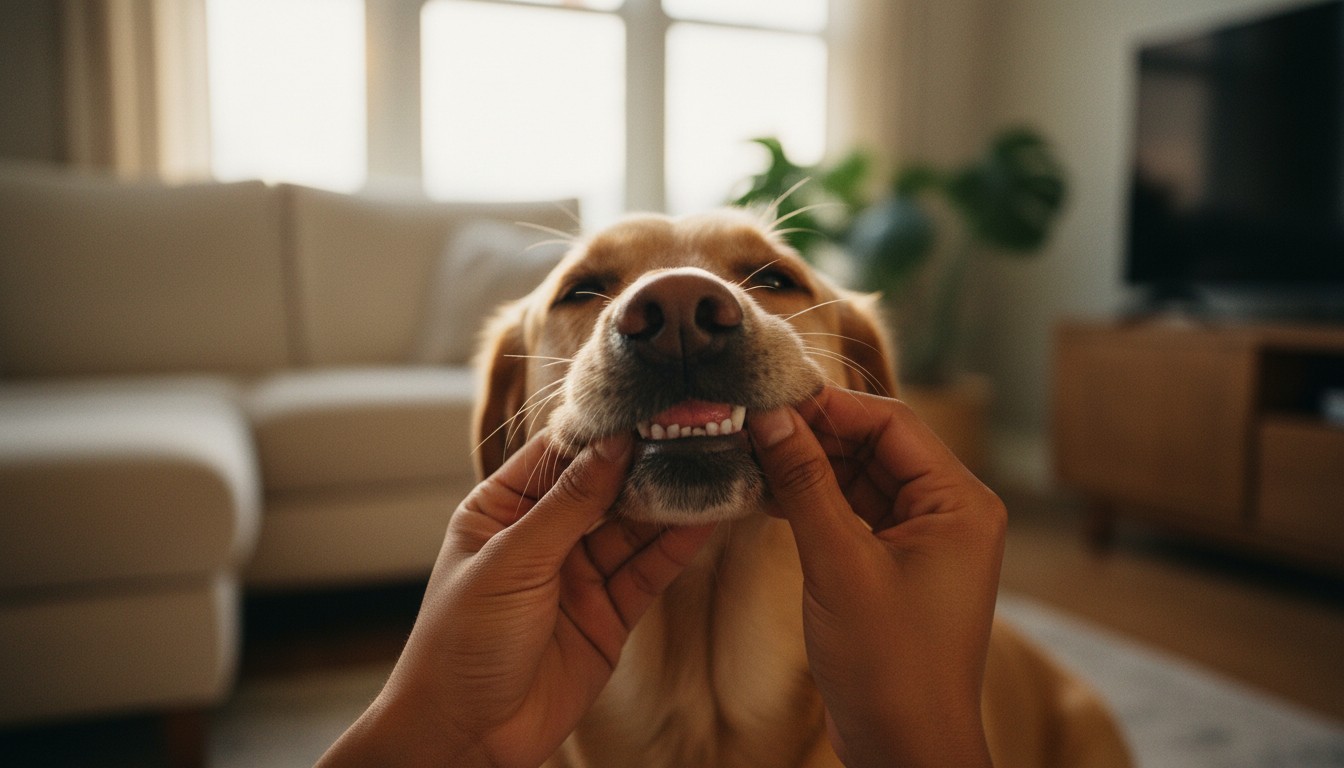
The mouth is a window into your pet's internal health. Gently lift the lip to inspect the gums. They should be a healthy 'bubblegum' pink and feel wet and slippery to the touch. If the gums feel 'tacky' or dry, your pet may be dehydrated, which is a common concern during the hot Australian summer. Try the 'Capillary Refill Time' test: press your finger firmly against the gum until it turns white, then release. The pink colour should return in less than two seconds. If it takes longer, it indicates poor circulation or dehydration.
Finally, check the teeth for tartar build-up. While a bit of staining is common, heavy brown crusts or bleeding along the gum line suggest periodontal disease. Catching this early can prevent bacteria from entering the bloodstream and affecting your pet's heart and kidneys.
Navigating the Neck: Identifying Lymph Nodes
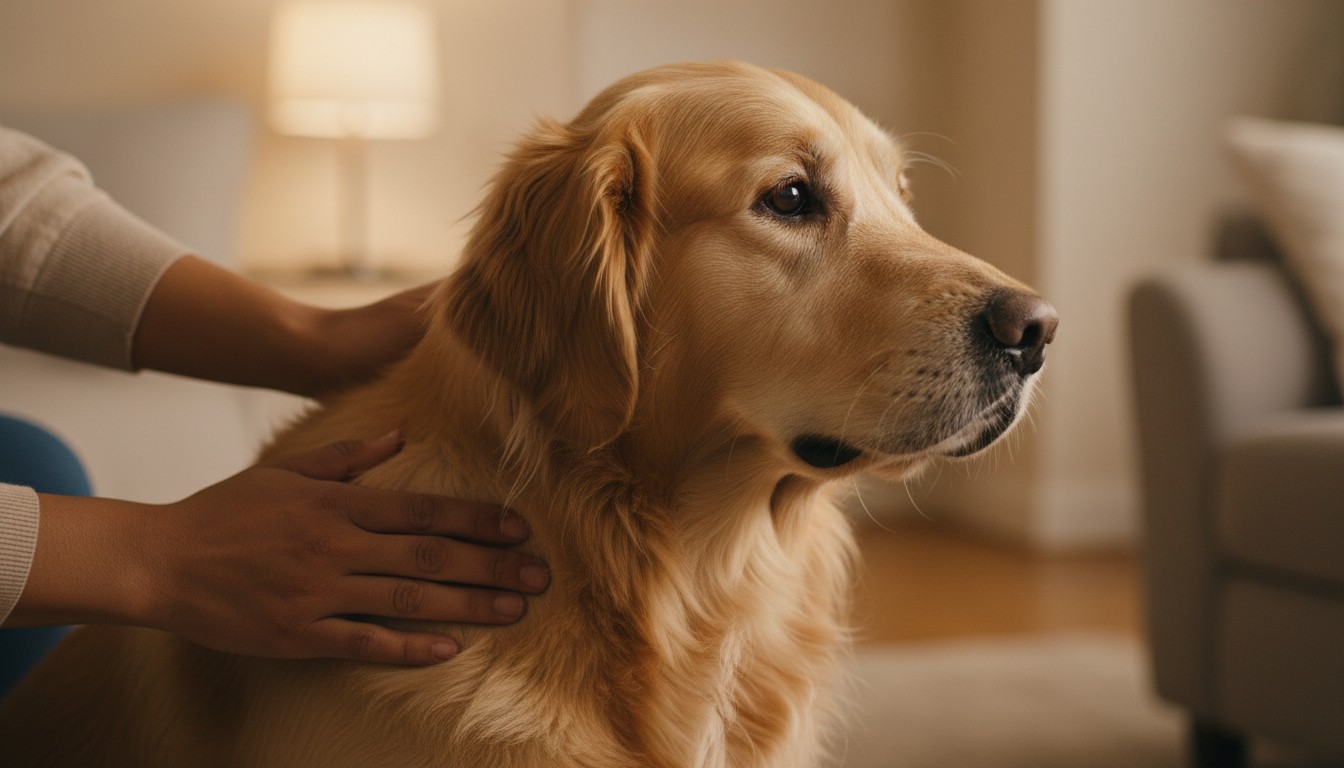
Learning to locate your pet's lymph nodes is a true expert-level skill. Lymph nodes are part of the immune system and act as filters for the body; when they are swollen (a condition called lymphadenopathy), it is often the first sign of infection or more serious underlying issues. Start by placing your hands under your pet's jaw, where the neck meets the head. You are looking for the submandibular lymph nodes. Normally, these feel like small, slippery peas. If they feel like hard marbles or golf balls, it is a significant red flag.
Next, move your hands to the front of the shoulder blades to find the prescapular nodes. Then, check the 'armpits' (axillary nodes) and the groin area (inguinal nodes). The final accessible pair is located behind the knees of the back legs, known as the popliteal nodes. Always compare the left side to the right side; symmetry is usually a good sign, whereas a lump on only one side is highly suspicious.
Do not be discouraged if you cannot feel them at first. In healthy, lean pets, lymph nodes are often very difficult to find. The goal is to familiarise yourself with the 'feel' of your pet's neck and joints so that you will notice if something becomes large enough to palpate easily. Use a gentle, circular motion with the pads of your fingers rather than poking with your fingertips.
The Trunk and Tummy: Assessing the Midsection
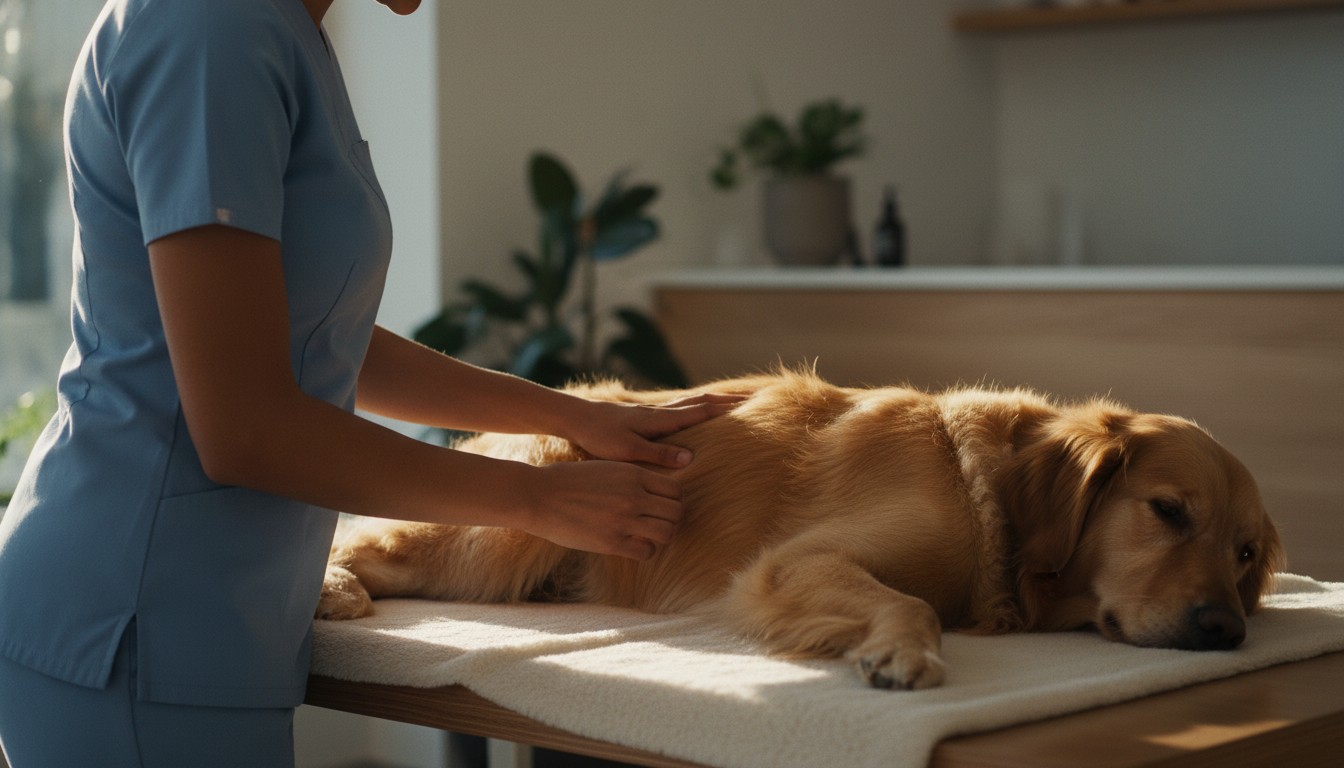
Moving down the body, run your hands along your pet's ribcage. You should be able to feel the ribs easily under a thin layer of fat. In Australia, we use a Body Condition Score (BCS) from 1 to 9. Ideally, your pet should be a 4 or 5, where you can feel the ribs but not see them prominently. If you have to press hard to find a rib, your mate might be carrying a few too many kilos from those extra treats from Woolworths or Coles.
Next, move to the abdomen. This part of the nose-to-tail pet health exam requires a soft touch. Place your hands on either side of the belly and gently press inwards. A healthy abdomen should be soft and relaxed. If your pet tenses up, groans, or if the belly feels hard like a wooden board, they may be experiencing abdominal pain or bloating. Be particularly aware of any 'distension' or a pot-bellied appearance that seems to have appeared suddenly.
While you are there, check the breathing rate while your pet is at rest. A normal resting respiratory rate for a dog or cat is typically between 15 and 30 breaths per minute. Watch the rise and fall of the chest; it should be effortless. Laboured breathing or a persistent cough, especially after exercise, can be an early indicator of heart or lung issues that require professional diagnosis.
Skin, Coat, and Australian Pest Detection
The skin and coat are the largest organs of the body and reflect your pet's overall nutrition. A healthy coat should be shiny and the skin supple. If you notice 'scurfy' skin (dandruff) or a dull, brittle coat, it might indicate a lack of essential fatty acids or an underlying metabolic issue. However, for those of us on the East Coast of Australia, the most critical part of this section is the search for the paralysis tick (Ixodes holocyclus).
Perform a 'tick walk' by crawling your fingers through every centimetre of fur, going against the grain. Ticks love hidden spots: between toes, inside the 'purse' of the ear, under the collar, and around the tail. Feel for a small, hard bump or a 'crusty' site where a tick may have detached. If you find a lump that has a small crater in the middle, it could be a tick crater. In addition to ticks, look for 'flea dirt'—small black specks that turn red when placed on a wet paper towel.
Hot spots and skin allergies are also incredibly common in the Australian climate. Check for areas of redness, hair loss, or moist skin, particularly on the belly and between the paws. If your pet is constantly licking or chewing at a specific spot, they may have a grass seed embedded or be suffering from an allergic reaction to local flora. Finding these early prevents a minor itch from turning into a massive, expensive vet bill for a secondary skin infection.
Joints, Paws, and Functional Mobility
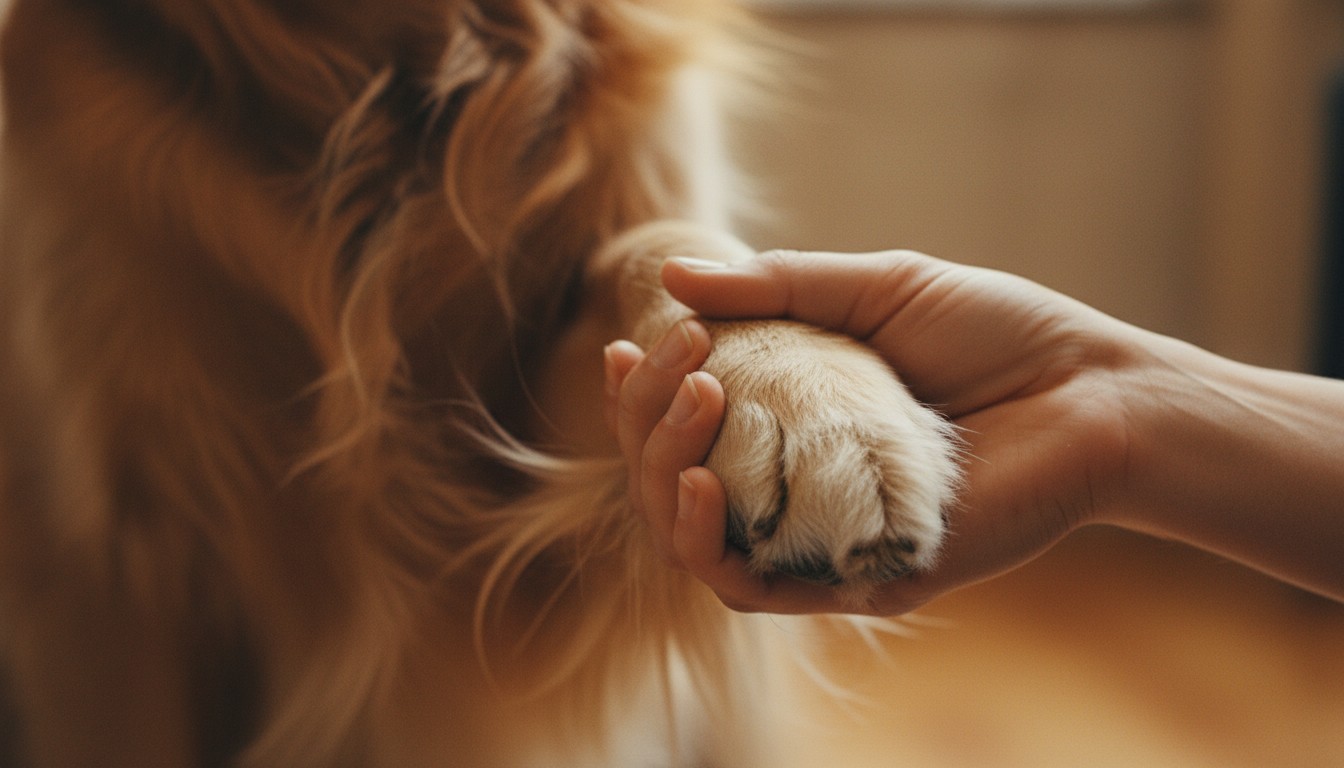
The final stage of the nose-to-tail pet health exam focuses on the limbs and movement. Gently pick up each paw and inspect the pads for cracks, burns from hot Australian bitumen, or embedded bindi-eyes and grass seeds. Grass seeds are notorious for 'travelling' under the skin and causing deep abscesses, so if you see a small hole or swelling between the toes, take it seriously. Ensure the nails are a proper length; if they click loudly on the floorboards, they are too long and can cause joint pain.
As you move up each leg, gently flex and extend the joints—the wrists, elbows, shoulders, and hips. You are looking for a smooth range of motion without resistance or 'grinding' sensations. If your pet pulls the limb away or yelps, they may be suffering from early-onset arthritis or a soft tissue injury. Feel for heat in the joints, which can indicate inflammation.
Observe your pet's gait. Ask a family member to walk the dog on a lead while you watch from the side and behind. Look for 'short-stepping,' head bobbing, or a 'bunny hop' in the hind legs. These subtle changes in mobility often start long before a pet is visibly limping. Early intervention with joint supplements or weight management can add years of high-quality life to your pet's senior years.
Troubleshooting: Managing the Wriggle
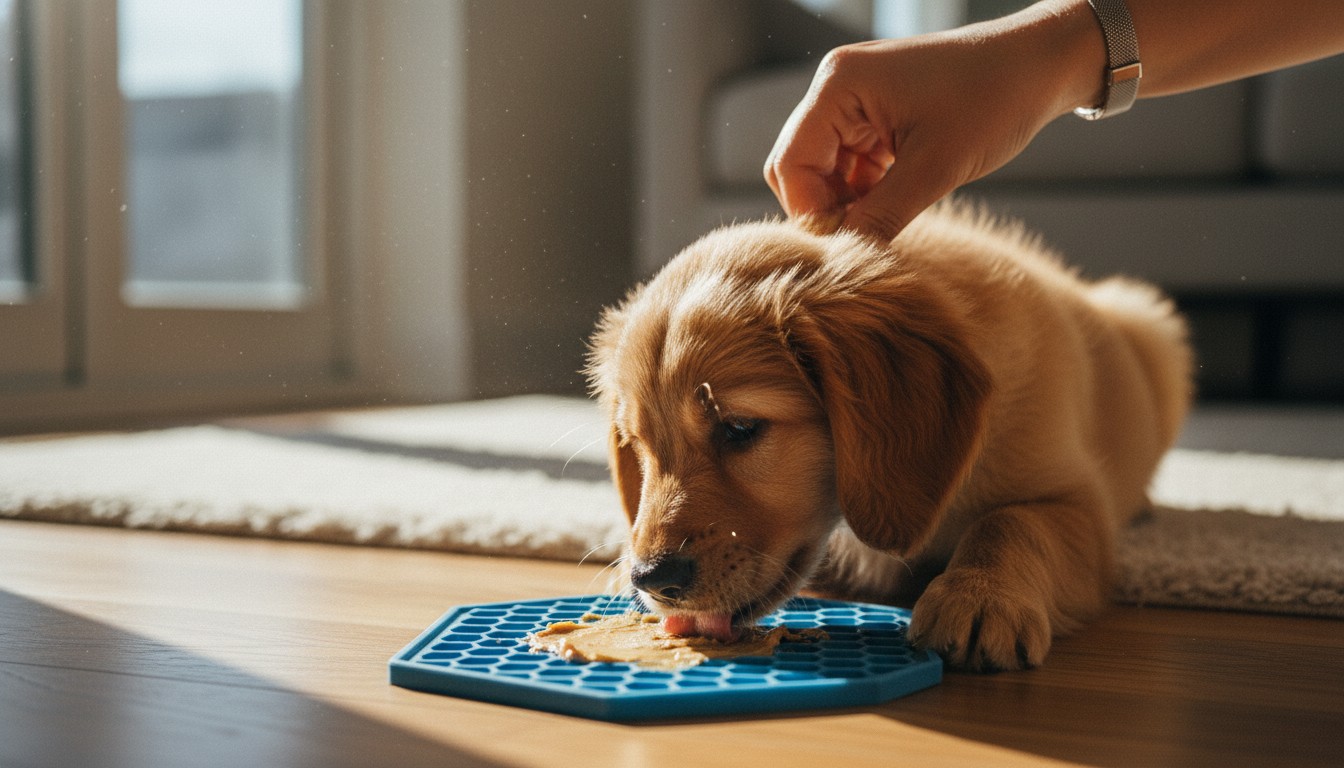
Not every pet is a willing participant in a nose-to-tail pet health exam. If your mate thinks the exam is a game of wrestle, you will need to adjust your approach. The best time to conduct a health check is when your pet is relaxed, perhaps after a long walk or a big meal. Use high-value rewards to create a positive association. A Lickimat smeared with peanut butter (ensure it is Xylitol-free) or some small treats from the pet aisle at Kmart Australia can keep them occupied while you feel for lymph nodes.
If your pet shows signs of aggression, such as growling or baring teeth, stop the exam immediately. This 'avoidance behaviour' is often a sign of pain rather than 'naughtiness.' Never force a pet through an exam if they are distressed, as this can ruin the trust you have built. Instead, try checking just one area—like the ears—per day and reward them heavily. Gradually increase the duration as they become more comfortable with your touch.
Safety is paramount. If you find a lump that is rapidly growing, a change in gum colour, or if your pet is lethargic and 'off their tucker,' do not wait for your next weekly exam. These are signs that professional veterinary help is needed. While this at-home exam is a powerful tool for prevention, it is a supplement to, not a replacement for, your annual veterinary check-up and vaccination schedule.
FAQ
How often should I perform a nose-to-tail pet health exam?
You should perform this exam once a week. This frequency allows you to become intimately familiar with your pet's 'normal' state, making it much easier to spot subtle changes like a small lump or a slight change in gum colour before they become emergencies.
What should I do if I find a lump during the exam?
Don't panic, as many lumps are benign lipomas (fatty tumours). However, you should note the location, size, and firmness, then book an appointment with your vet. They may perform a fine-needle aspirate to ensure the lump isn't something more serious.
How can I tell if my pet is dehydrated at home?
Check the 'skin turgor' by gently lifting the skin between the shoulder blades into a 'tent' and releasing it. In a hydrated pet, the skin will snap back instantly; if it stays peaked or sinks slowly, your pet needs water and potentially a vet visit.
Where are the most common places to find a paralysis tick?
Ticks love warm, hidden spots. Focus your search on the head, neck, inside the ears, under the front 'armpits,' and between the toes. In Australia, 90% of ticks are found from the front of the shoulders forward.
Conclusion
Conducting a systematic nose-to-tail pet health exam is one of the kindest things you can do for your pet. By dedicating just ten minutes a week to this tactile inspection, you are taking an active role in their longevity and wellbeing. You will learn to recognise the difference between a harmless fatty lump and a swollen lymph node, and you will spot those nasty Australian paralysis ticks long before they cause harm. Remember, if you ever feel unsure about something you have found, or if your pet's behaviour changes suddenly, always consult your local veterinarian. Your observations are the most valuable data a vet can receive. So, next time you are relaxing on a Sunday arvo, give your mate a thorough once-over—it's the best way to ensure they stay happy and healthy for years to come.
References & Sources
This article was researched using the following sources:

