














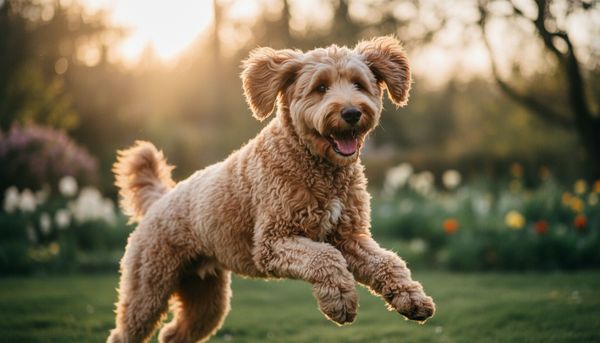
If you have ever taken your fluffy Cavoodle or Golden Retriever to the groomer only to be told they need a 'shave down' due to matting, you know the frustration. You might have been brushing every day, yet mats still formed. The culprit isn't your dedication; it is likely your technique. Surface brushing only touches the top layer of fur, leaving the dense undercoat to tangle and knot. To truly maintain a long coat, you must master line brushing. This professional-grade method involves systematically parting the hair to the skin, ensuring every single strand is tangle-free from the root up. In the Australian climate, where beach trips and humidity can wreak havoc on a coat, line brushing is the gold standard for home maintenance. By learning this technique, you can keep your dog’s coat in beautiful condition and avoid the dreaded 'summer shave'.
The Difference Between Surface Brushing and Line Brushing
Most Australian pet owners use a standard brush to swipe over the top of their dog's coat. While this makes the dog look fluffy and removes loose surface debris, it rarely reaches the skin. Long-haired breeds, especially 'oodle' crosses and double-coated dogs like Border Collies, have a complex hair structure. Beneath those visible guard hairs lies a soft, downy undercoat that is prone to friction. When this undercoat isn't brushed out, it begins to weave together, eventually forming 'pelts'—large, solid sheets of matted fur that pull painfully against the skin.
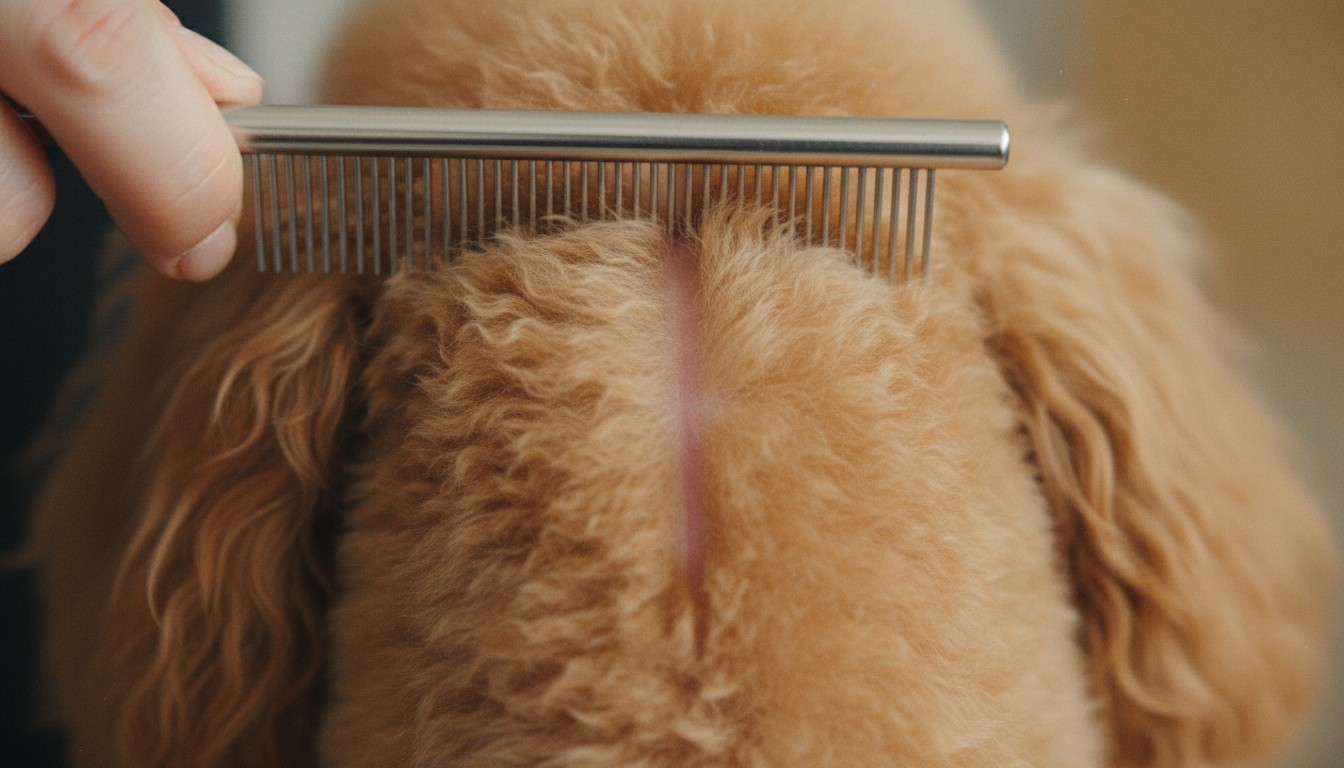
Line brushing is the process of creating a physical 'line' or part in the hair so you can see the skin clearly. By working through the coat section by section, you ensure that the brush actually penetrates the dense undergrowth. This is the 'aha' moment for most owners: realizing that a dog can look perfectly brushed on the surface while being severely matted underneath. It is particularly important in humid parts of Australia, like Queensland or Northern NSW, where moisture in the air can cause the undercoat to swell and knot more rapidly than in drier climates.
Understanding that your dog’s coat is three-dimensional is the first step toward better grooming. If you cannot see the skin while you are brushing, you are likely only performing surface maintenance. Transitioning to a systematic line-based approach will drastically reduce the frequency of professional 'rescue' grooms and keep your dog much more comfortable during the warmer months.
The Essential Line Brushing Toolkit for Aussie Owners
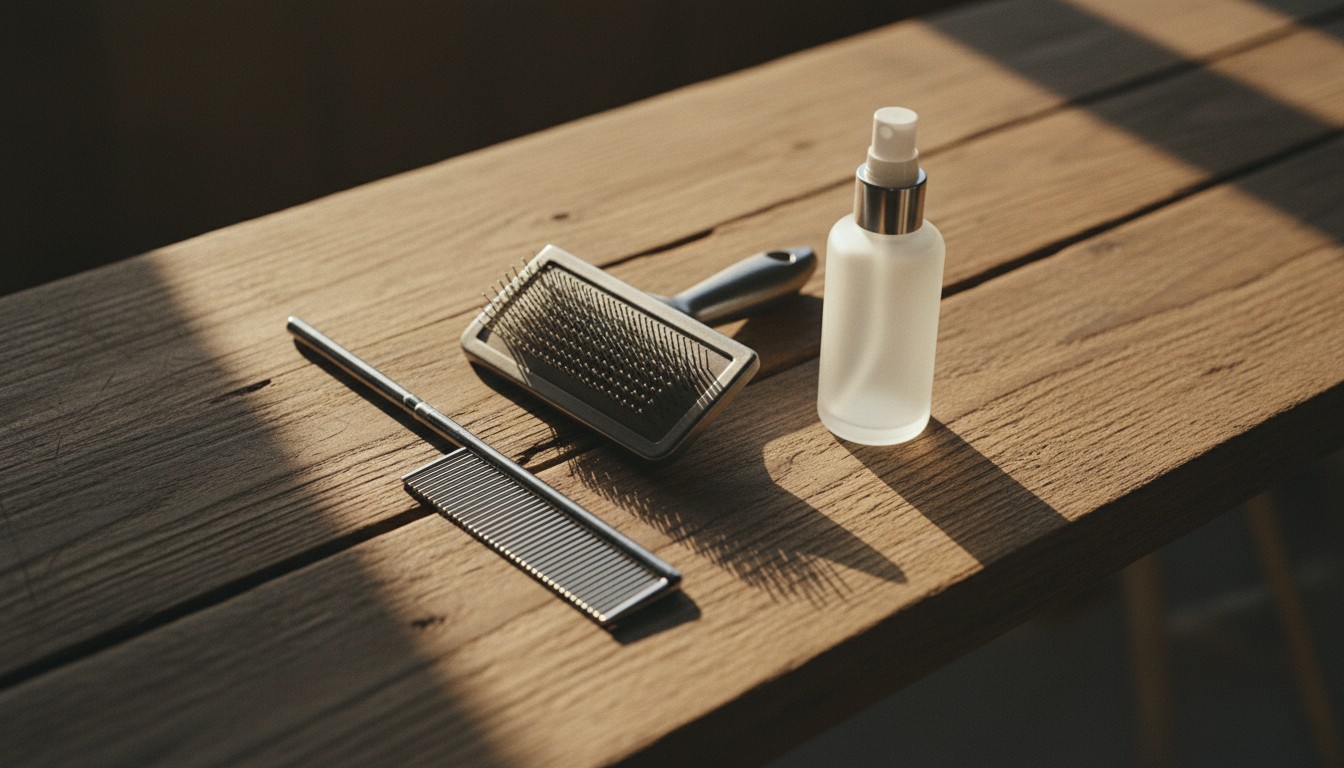
To perform a proper line brush, you need more than just a cheap plastic brush from the local supermarket. Investing in professional-grade tools will make the process faster and far more comfortable for your dog. Your primary tool should be a high-quality slicker brush with long, flexible pins. These pins are designed to reach through the topcoat and gently pull through the undercoat. Avoid 'hard' slickers if your dog has sensitive skin; instead, look for brands available at Australian retailers like Petbarn or specialty grooming shops that offer 'soft' or 'flexible' head designs.
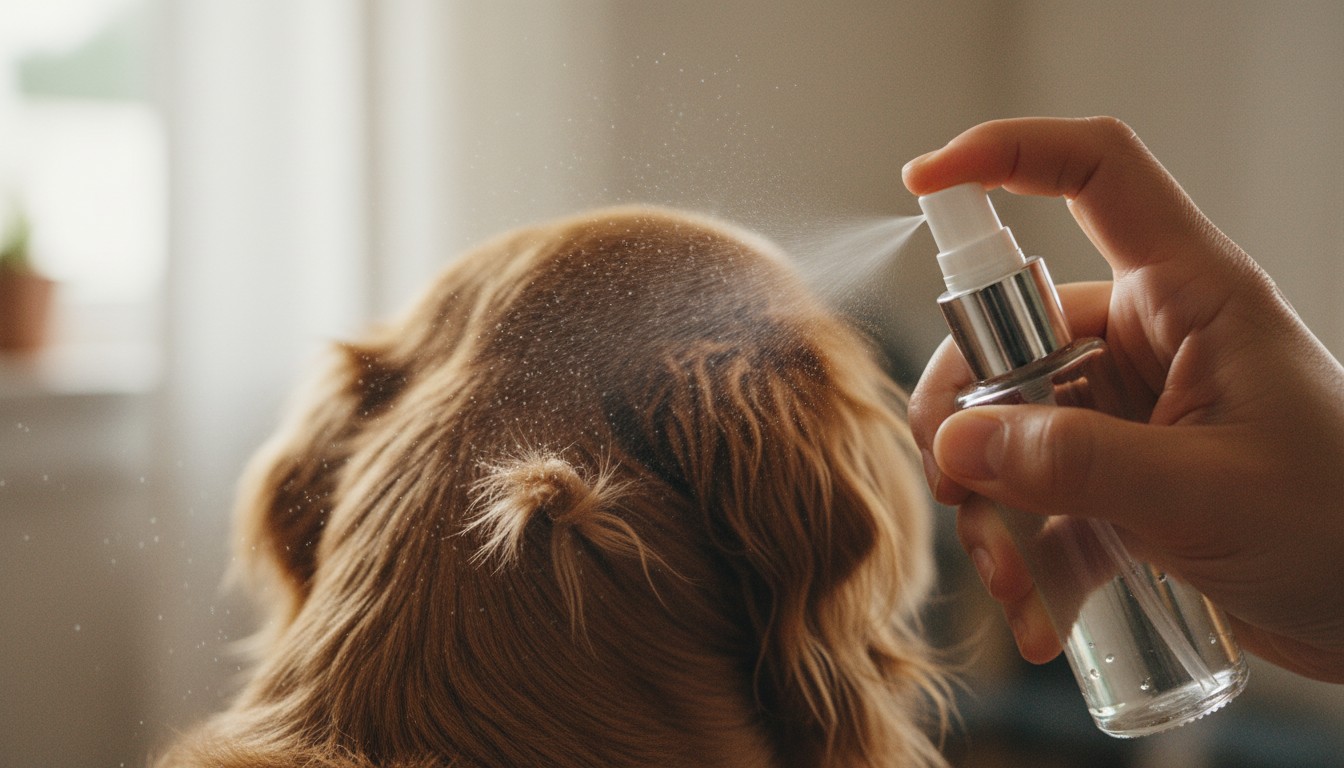
Next, you absolutely must have a stainless steel 'Greyhound-style' comb. This is your diagnostic tool. After you think you have finished a section with the slicker brush, the comb should be able to glide from the skin all the way through the ends of the hair without snagging. If the comb stops, you still have a small knot that needs attention. Additionally, a detangling or conditioning spray is a lifesaver. Spritzing the coat lightly before you start helps to lubricate the hair shafts, reducing breakage and making the process much smoother.
In Australia, many owners find that 'dry' brushing leads to static and hair damage. Using a spray like the ones found at local pet boutiques or even a diluted high-quality conditioner in a spray bottle can make a massive difference. Remember, the goal is to make this a positive experience for your dog, so having the right gear that doesn't pull or scratch is essential for long-term success.
Step-by-Step Guide to the Line Brushing Technique
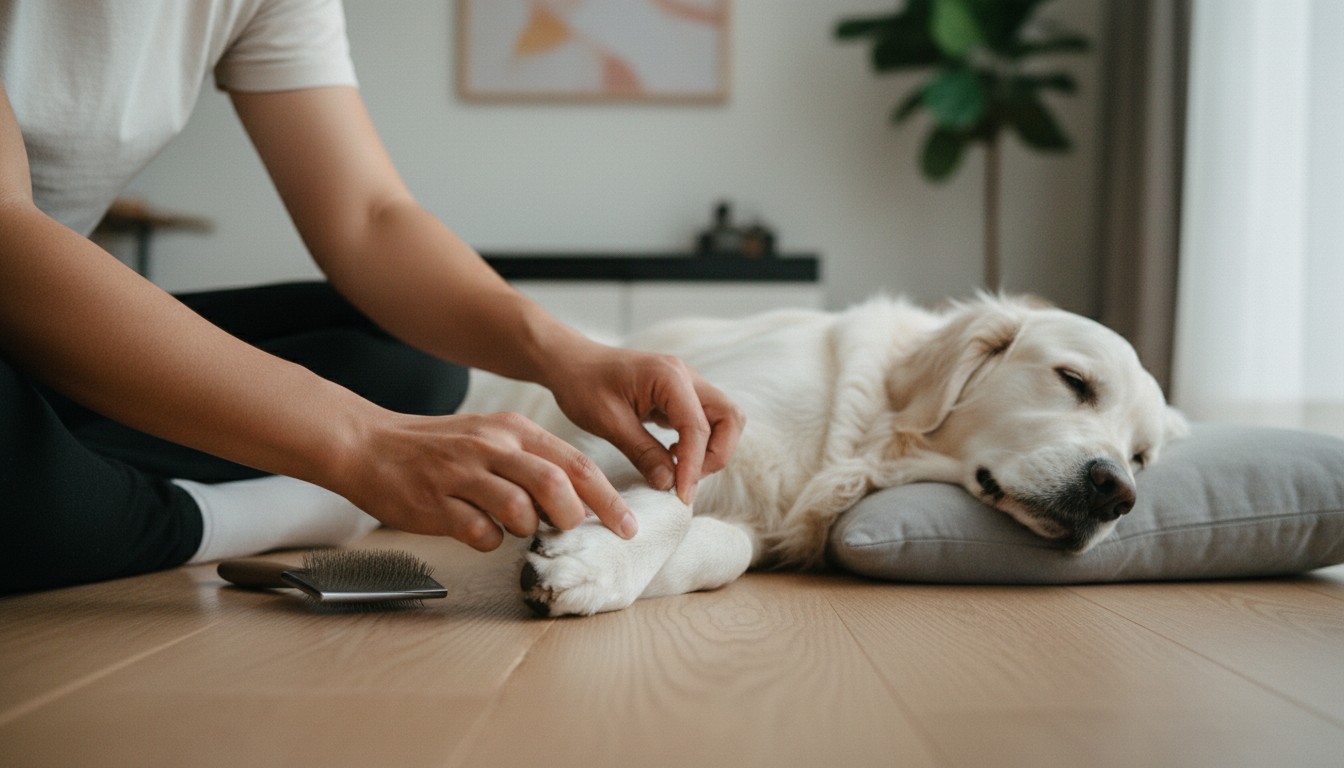
Mastering line brushing requires a systematic approach. Start at the bottom of the dog—usually a back leg—and work your way up. Use one hand to push the hair upward, exposing a horizontal line of skin. With your other hand, use the slicker brush to brush a small amount of the hair downward. You are essentially 'un-pinning' a small layer of hair from your hand and brushing it out. Repeat this process, moving your hand up about one or two centimetres at a time, creating a new 'line' each time.
Work in small, manageable sections. If you try to brush too much hair at once, the pins won't reach the skin, and you'll revert to surface brushing. Once you have finished a section (for example, the entire lower leg), take your metal comb and run it through the same area. If the comb catches, go back to that specific spot with the slicker. It is vital to be thorough in 'high-friction' areas such as behind the ears, under the armpits, and where the collar or harness sits, as these are the most common spots for deep mats to develop.
This technique can be time-consuming, especially for a large dog like a Standard Poodle or a Maremma Sheepdog. You don't have to do the whole dog in one sitting. Many Australian owners find success by doing one 'quadrant' of the dog per day. This keeps the sessions short (around 15-20 minutes) and prevents the dog from becoming restless or frustrated with the grooming process.
Troubleshooting: When You Hit a Mat
Even with the best intentions, you will eventually encounter a mat. The most important rule is: never pull. Yanking on a mat with a brush is painful and will make your dog hate grooming. Instead, apply a liberal amount of detangling spray directly to the knot and work it in with your fingers. Use the edge of your slicker brush to gently pick at the edges of the mat rather than trying to brush through the middle of it. If the mat is small, you can often break it apart with your fingers before brushing it out.
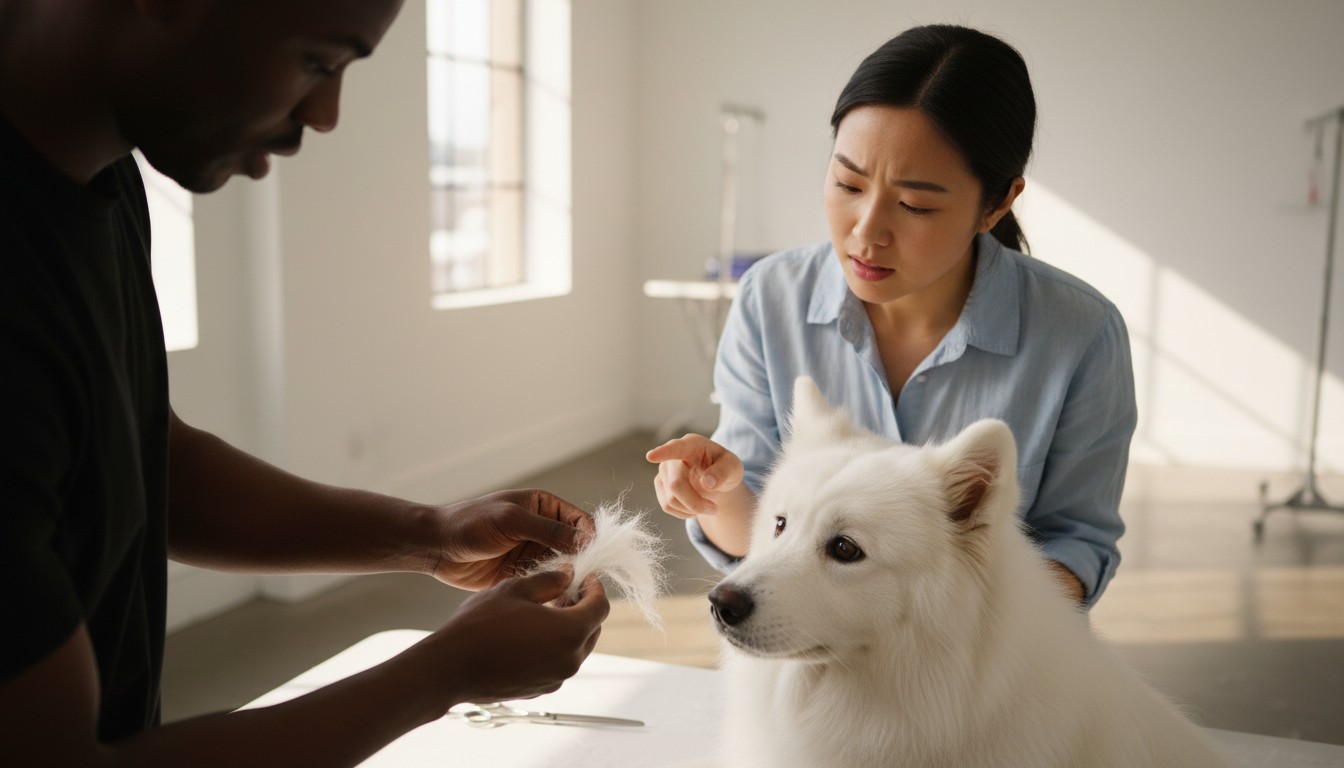
However, there is a point where a mat becomes a welfare issue. If the mat is tight against the skin (pelting) and larger than a 20-cent coin, it may be too painful to brush out. In Australia, professional groomers often see dogs with 'hidden' pelting that has caused skin infections or restricted movement. If you find multiple large mats or if your dog winces when you touch a specific area, it is time to put the brush down and consult a professional. It is much kinder to have the mats safely clipped away by a pro than to spend hours pulling at your dog's skin.
Signs that you should stop and seek help include the skin looking red or inflamed beneath a mat, a foul odour coming from the coat, or the dog showing signs of aggression during grooming. A 'reset' shave is not a failure; it's a chance to start fresh with your new line brushing skills as the hair grows back. Always prioritise your dog's comfort and safety over the length of their coat.
FAQ
How often should I line brush my dog?
For long-haired or 'oodle' breeds, you should aim to line brush at least 2-3 times a week. High-friction areas like the ears and armpits may need daily attention to prevent mats from forming.
Is line brushing painful for the dog?
When done correctly, line brushing is not painful; it's actually more comfortable than surface brushing because it prevents the 'pull' of tight mats. Always use a detangling spray and a gentle hand to ensure a positive experience.
Can I line brush my dog when their coat is wet?
No, you should always brush your dog before bathing them. Water acts like a 'glue' for existing mats, causing the hair fibres to tighten and making knots much harder to remove once they dry.
Conclusion
Mastering the art of line brushing is the single best thing you can do to maintain your dog's coat and overall comfort. By moving away from superficial surface brushing and adopting a systematic, skin-deep approach, you eliminate the risk of painful pelting and those unexpected 'shave downs' at the groomer. Remember to use the right tools—a slicker brush and a metal comb—and to always use a conditioning spray to protect the hair. In our unique Australian environment, staying on top of grooming is a year-round commitment. If you ever feel overwhelmed or find that the matting has become too severe, don't hesitate to book in with a professional groomer. They can provide a safe 'reset' and offer advice tailored to your dog's specific coat type. Happy grooming!
References & Sources
This article was researched using the following sources:


