














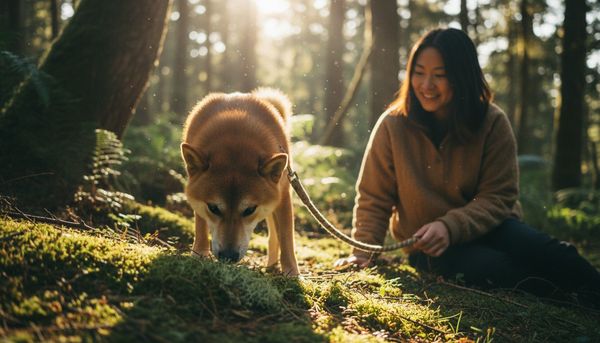
Every dog owner knows the routine of a standard suburban walk: short lead, brisk pace, and a focus on keeping your pup in a perfect heel. However, recent canine behavioural science suggests that these structured outings might be missing a critical component of your dog's biological needs. Incorporating decompression walks for dogs into your weekly routine can transform their mental state from stressed and reactive to calm and fulfilled. Unlike traditional exercise, a decompression walk focuses on 'sniff-led' exploration, allowing your dog to engage their brain through olfactory stimulation rather than just burning calories. In the vast and varied landscapes of Australia, from the local bushland to the quiet nature strips of our suburbs, these walks provide a vital outlet for mental regulation and stress reduction that a simple trot around the block simply cannot match.
The Biological Blueprint: Why the Nose Rules the Dog's Brain
To understand why decompression walks for dogs are so effective, we must look at the biology of the canine brain. A dog's sense of smell is roughly 10,000 to 100,000 times more acute than ours. While humans navigate the world primarily through vision, dogs 'see' through scent. Their olfactory bulb—the part of the brain that processes smells—is about 40 times larger than a human's relative to total brain size. This biological powerhouse allows them to detect chemical signatures that tell stories about who has been in the area, their health, their sex, and even their emotional state.
When a dog engages in deep sniffing, they aren't just wasting time; they are performing complex cognitive processing. Research has shown that sniffing actually lowers a dog's heart rate, providing a natural physiological calming effect. This is linked to the vomeronasal organ (or Jacobson's organ), which sits inside the nasal cavity and processes pheromones. By allowing your dog to follow a scent trail at their own pace, you are facilitating a massive hit of mental enrichment that is far more taxing—and rewarding—than physical running. In the Australian heat, where high-intensity exercise can be dangerous, these low-impact, high-brain-use sessions are an ideal way to tire out an energetic pup without the risk of heatstroke.
Mental Load vs. Physical Strain: The Science of the 'Sniffari'
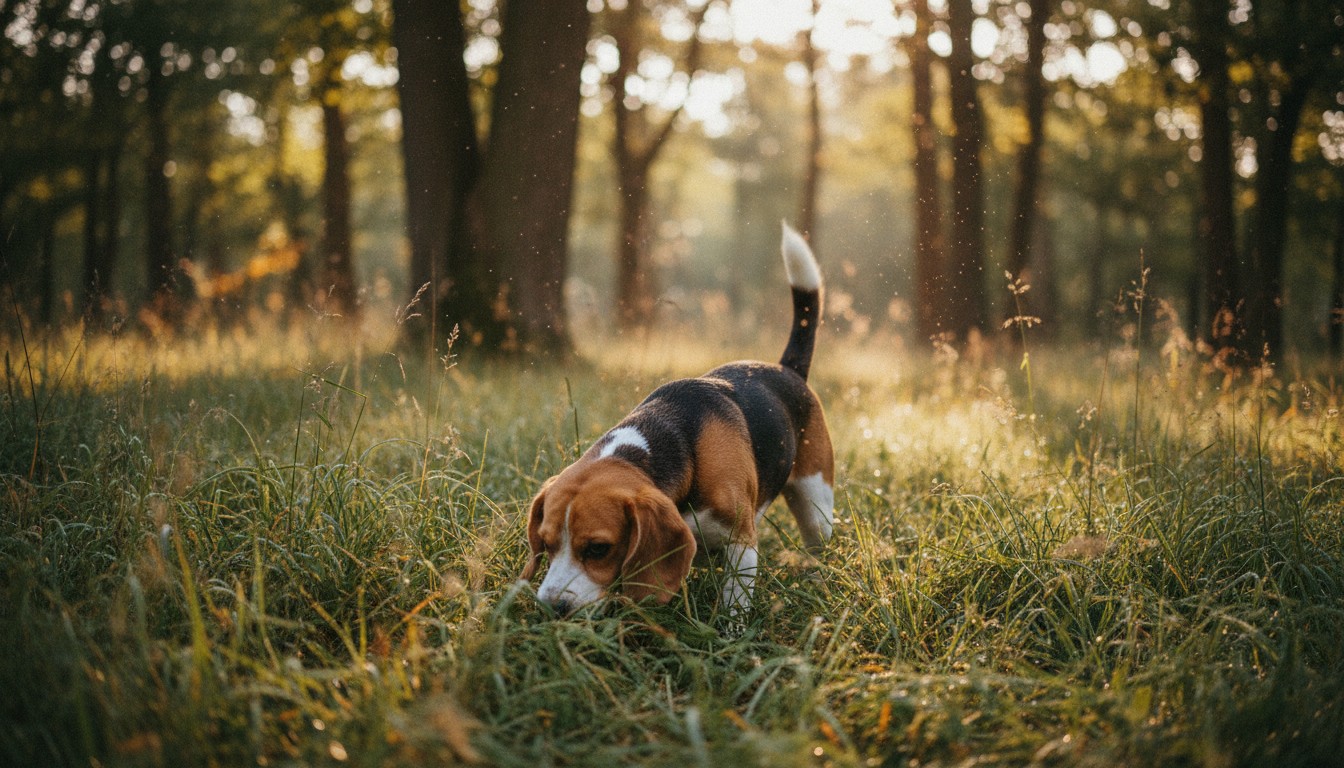
There is a common misconception that a tired dog is a good dog, leading many owners to believe that a 5km run is better than a 1km stroll. However, physical exercise alone often builds stamina without addressing mental fatigue, sometimes resulting in an 'athlete' dog who is physically fit but mentally restless. When we prioritise decompression walks for dogs, we focus on the 'mental load.' Processing the information found in a single square metre of Australian bushland can be more exhausting for a dog's brain than chasing a ball for twenty minutes.
This concept, often called a 'sniffari,' shifts the goal of the walk from distance to duration and quality of engagement. During a decompression walk, the dog is given the freedom to choose the direction and the length of time they spend at each 'scent post.' This autonomy is a powerful tool for stress reduction. In a world where dogs are frequently told where to sit, stay, and walk, having the agency to choose their path reduces cortisol levels and increases confidence. It allows the dog's parasympathetic nervous system to take over, moving them out of a 'fight or flight' state and into a 'rest and digest' or 'exploratory' state. For dogs living in high-traffic Australian cities like Sydney or Melbourne, this mental reset is crucial for preventing long-term anxiety and reactivity.
Essential Gear for an Australian Decompression Walk
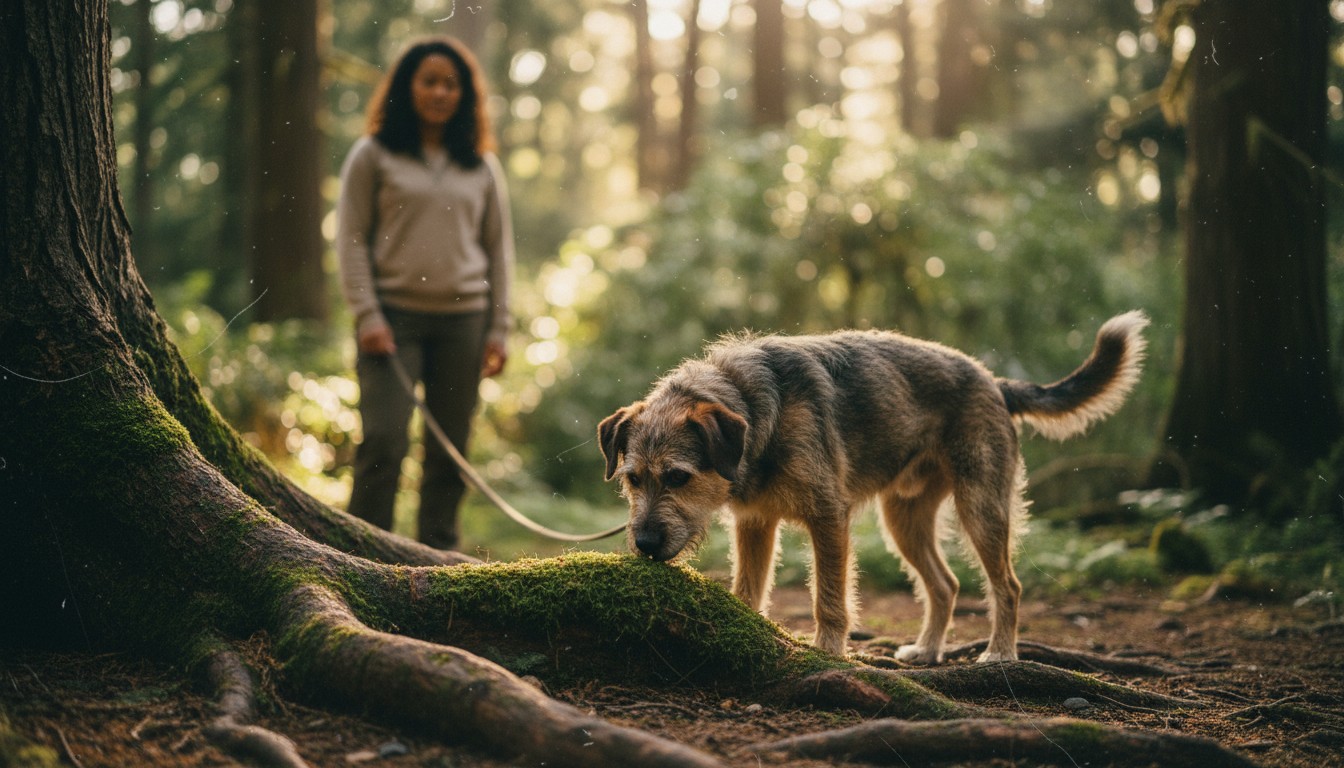
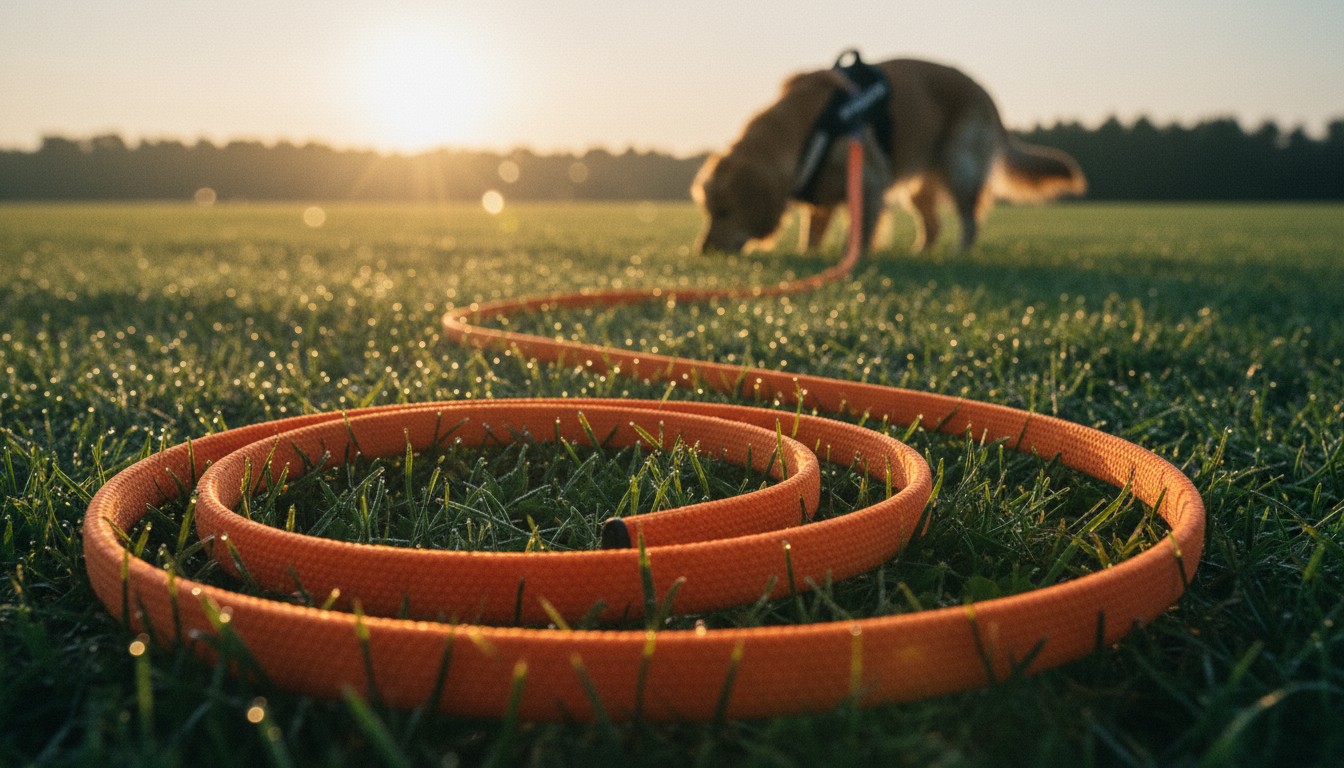
The success of decompression walks for dogs relies heavily on the environment and the equipment used. Unlike a standard walk where a 1.2-metre lead is common, a decompression walk requires a long lead—typically between 5 and 10 metres. This extra length allows the dog to move away from the owner and explore scents without feeling the constant pressure of a tight leash. In Australia, many owners opt for biothane leads, which are waterproof and easy to clean after a trek through the muddy bush or a sandy beach.
A well-fitted Y-front harness is also essential. Since the dog will be exploring and occasionally reaching the end of the long lead, a harness ensures that any pressure is distributed across the chest rather than the sensitive neck and throat area. Avoid retractable leads, as they maintain constant tension, which can prevent the dog from truly 'decompressing.' Instead, look for high-quality long lines at local retailers like Kmart Australia or specialist pet boutiques.
You should also carry high-value treats to reward your dog for checking back in with you voluntarily. In our climate, a portable water bowl is non-negotiable. Even during a slow-paced sniffari, dogs can dehydrate quickly in the Australian sun. By providing the right gear, you create a safety net that allows the dog the freedom to explore while you maintain ultimate control and safety in the environment.
Location Scouting: Finding the Perfect Decompression Spot
Not all environments are suitable for a decompression walk. The goal is to find a 'low-trigger' environment where your dog feels safe enough to lower their guard. For many Australians, this means avoiding busy dog parks or high-traffic footpaths where other reactive dogs or cyclists might interrupt the flow. Instead, look for quiet local parks during off-peak hours, school ovals (when permitted), or less-frequented bushwalking tracks.
The ideal location has varied terrain and plenty of organic material. Eucalyptus groves, coastal trails, and even quiet industrial estates on the weekend can offer a rich tapestry of scents. If you live in a particularly busy area, you might need to drive ten minutes to find a suitable spot. The key is 'novelty.' A new environment provides a fresh set of data for your dog's nose to process.
Be mindful of the local Australian flora and fauna. Ensure the area is not treated with heavy pesticides and is clear of known hazards. When scouting, look for 'sniff-rich' zones like long grass, the base of trees, and fence lines. These areas act like the 'morning newspaper' for dogs, providing updates on all the local animal activity. A successful location is one where you can let the lead go slack and simply follow your dog's lead for 30 to 45 minutes of pure, uninterrupted sniffing.
Troubleshooting: When Sniffing Becomes Over-Stimulating
While decompression walks for dogs are generally calming, some dogs may initially struggle with the freedom. High-arousal dogs might become 'frantically' sniffy, darting from one spot to another without actually decompressing. If you notice your dog's movements are jerky, their tail is held very high and stiff, or they are starting to pull hard on the long lead, they may be over-stimulated by the environment.
In these cases, it is helpful to introduce 'scatter feeding.' Take a handful of small treats and toss them into a patch of short grass. This encourages a slower, more methodical type of sniffing that can help 'ground' the dog and lower their arousal levels. If the dog is still unable to settle, the environment might be too 'loud' for them. You may need to start in a more familiar, quieter area—even your own backyard—before progressing to the local park.
Another common issue is the 'stuck' dog—one who finds a scent and refuses to move for ten minutes. While we want to allow them time, if they seem hyper-focused to the point of obsession, a gentle 'let's go' cue with a treat lure can help them move on. The aim is a relaxed, flowing movement. If your dog consistently struggles to disengage from scents or becomes more reactive after a decompression walk, it may be worth consulting a force-free trainer to ensure the 'mental load' isn't actually causing more stress.
Safety in the Australian Landscape
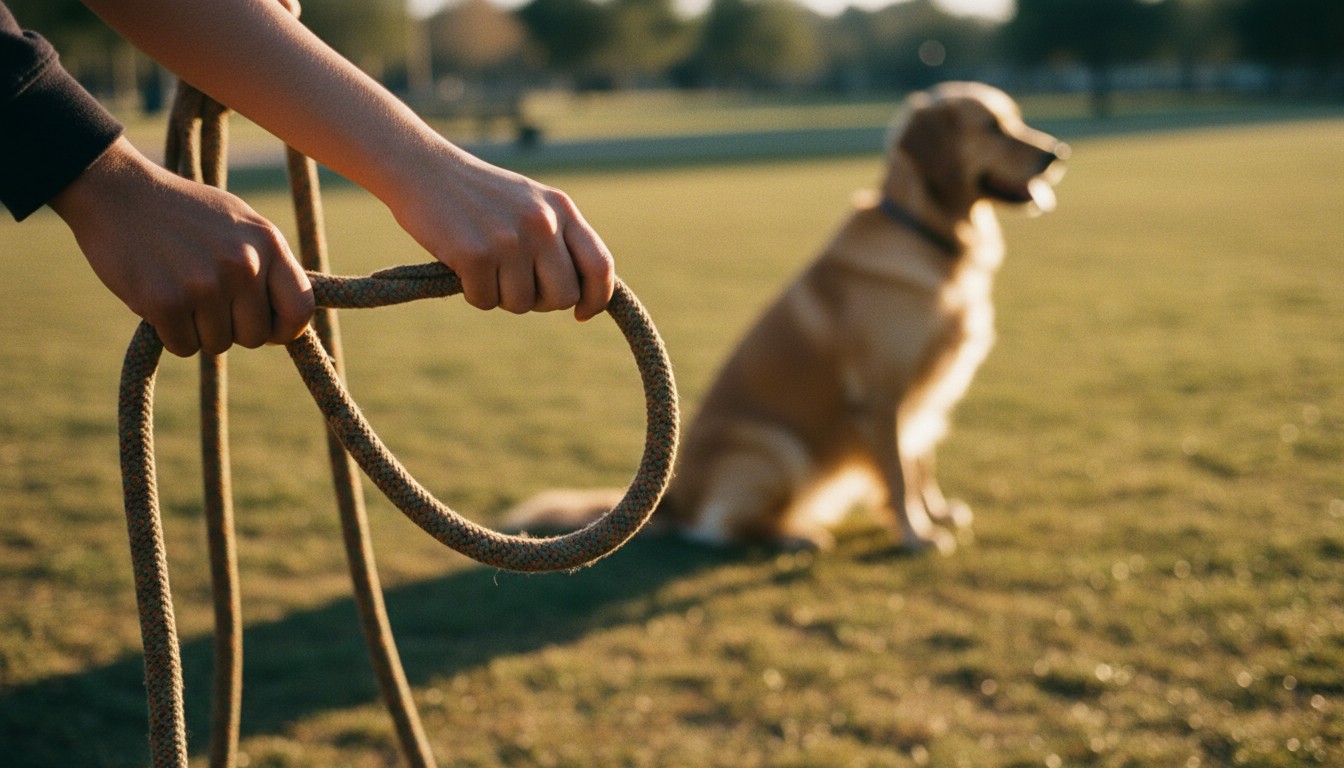
Conducting decompression walks for dogs in Australia requires specific safety considerations that differ from other parts of the world. Our unique wildlife and climate mean we must remain vigilant even when our dogs are in 'relaxation mode.' During the warmer months (September to April), snake safety is paramount. When walking in long grass or near water sources, keep your dog on the long lead and avoid letting them stick their heads into deep burrows or thick scrub where Eastern Browns or Tiger snakes might be basking.
Additionally, be aware of the paralysis tick, especially along the East Coast. Always perform a thorough tick check after a walk in the bush or tall grass. The heat is another factor; always check the temperature of the ground with the back of your hand. If it's too hot for you to hold your hand there for five seconds, it's too hot for your dog's paws. Early morning or late evening walks are best to avoid the midday sun.
Finally, ensure your dog's vaccinations and parasite preventatives (for heartworm and intestinal worms commonly found in Australian soil) are up to date. Many public parks in Australia share space with native wildlife, and maintaining a high level of hygiene and protection ensures your decompression walk remains a health-positive experience. By staying aware of these local factors, you can enjoy the benefits of olfactory enrichment without unnecessary risk.
FAQ
What exactly is a decompression walk?
A decompression walk is an outing where the dog is given a long lead and allowed to move at their own pace, primarily following their nose. The goal is to allow the dog to 'decompress' from the stresses of daily life by engaging in natural scavenging and sniffing behaviours in a low-trigger environment.
How long should a decompression walk last?
Generally, 30 to 45 minutes is the 'sweet spot' for most dogs. Because the mental effort of sniffing is so high, this can be more exhausting than a two-hour hike. Always watch your dog for signs of tiredness, such as lagging behind or panting more than usual.
Can I do a decompression walk on a standard 1.2-metre lead?
It is much more difficult. A short lead often creates tension, which signals the dog to stay in 'work mode' or 'alert mode.' A longer lead (5m+) is essential to allow the dog the physical space to move away from you and fully engage with the environment without feeling restricted.
Is sniffing really better than running for an energetic dog?
Yes, for mental regulation. While dogs still need physical movement, 'sniff-led' walks engage the brain's cognitive processing and lower the heart rate. A dog that is physically tired but mentally wired is often more likely to exhibit behavioural issues than one who has had their olfactory needs met.
Conclusion
Prioritising decompression walks for dogs is one of the simplest yet most profound changes you can make to your pet's routine. By understanding the biological necessity of olfactory stimulation, you move beyond the 'exercise as a chore' mindset and into a realm of true canine enrichment. Whether you're exploring a quiet corner of a Bunnings car park on a Sunday morning or a hidden trail in the Australian bush, remember that your dog's nose is their greatest tool for navigating and regulating their emotions. Start with the right gear—a long lead and a comfortable harness—and find a quiet spot to let your dog take the lead. You'll likely find that a calmer, happier, and more settled companion is waiting for you at the end of the trail. If you ever feel overwhelmed or notice significant behavioural changes, don't hesitate to reach out to a professional force-free trainer for tailored advice.
References & Sources
This article was researched using the following sources:

