















It is a scenario many Australian pet owners know all too well. You are relaxing at home after a long day when your normally placid Staffy or Kelpie suddenly growls or snaps at a seemingly minor event, like the sound of a Kmart delivery driver at the door or a fly buzzing near their ear. You might think the reaction was 'unprovoked', but the reality is rooted in biology. Trigger stacking in pets is a physiological phenomenon where multiple small stressors accumulate over hours or even days, pushing an animal past its 'threshold' of tolerance. This article explores how hormones like cortisol build up in the system, leaving behind a 'stress residue' that can turn a calm pet into a reactive one without warning.
The Physiology of the 'Snap': How Cortisol Accumulates
To understand why a pet reacts disproportionately to a minor event, we must look at the endocrine system. When a dog encounters a 'trigger'—whether it is a magpie swooping in the backyard or a noisy tradie's ute idling out front—their body activates the Hypothalamic-Pituitary-Adrenal (HPA) axis. This results in an immediate surge of adrenaline and a slower, more sustained release of cortisol. While adrenaline spikes and fades quickly, cortisol is designed to keep the body on high alert to handle ongoing threats.
The critical issue for pet owners is the half-life of these hormones. In a healthy animal, it can take anywhere from 24 to 72 hours for cortisol levels to return to baseline after a significant stress event. If your dog encounters a second trigger while the first dose of cortisol is still circulating, the new stressor is added to an already heightened physiological state. This is 'trigger stacking'. By the time the third or fourth minor event occurs, the dog’s internal 'cup' is overflowing. They aren't overreacting to the last event; they are reacting to the cumulative weight of every stressor they have faced since Tuesday.

Identifying Stress Residue in the Australian Home
In Australia, our unique environment provides a specific set of common triggers that contribute to stress residue. We often live indoor-outdoor lifestyles, meaning our pets are frequently exposed to neighborhood sounds, roaming wildlife, and high-traffic streets. A typical day might begin with the postie on a motorbike, followed by a neighbor's dog barking through the Colorbond fence, and ending with a walk where your pet is forced to pass a crowded outdoor café.
Each of these events leaves behind 'residue'. A dog that has been barked at by three different dogs on a morning walk has a much higher baseline level of arousal than one who stayed home. When you later try to brush their coat or move them off the sofa, their nervous system is already 'primed' for a fight-or-flight response. Recognising this residue requires owners to look at the day as a whole. Did the bins get collected today? Was there a thunderstorm? Did you have guests over for a Barbie? These are all 'drops in the cup' that reduce your pet's ability to remain calm during later interactions.
Recognising Subtle Signs Before the Explosion
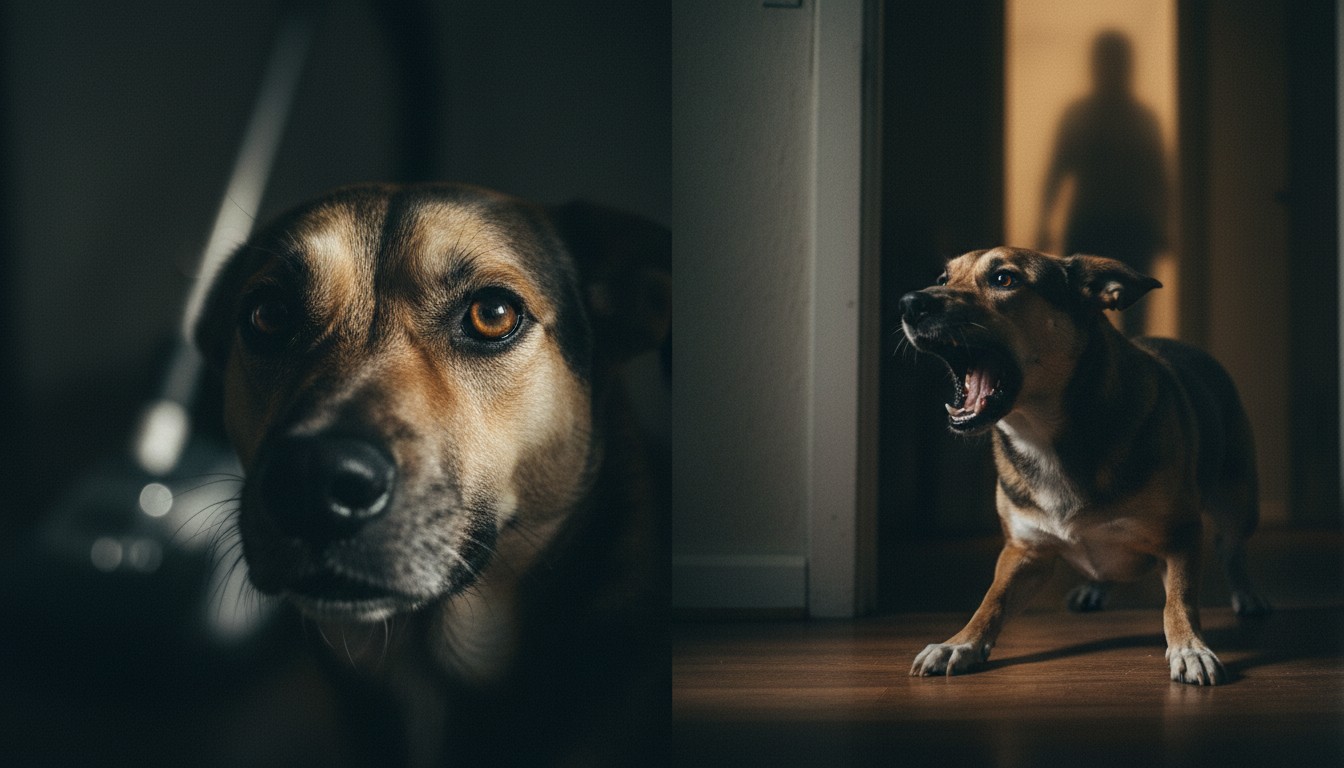
A pet rarely 'snaps out of nowhere'. Instead, they provide a series of subtle physiological and behavioural cues that they are reaching their threshold. Expert behaviourists often refer to the 'Ladder of Aggression'. At the bottom are very subtle signs: lip licking (when no food is present), yawning (when not tired), and 'whale eye' where the whites of the eyes are visible as the dog turns their head away.
As cortisol levels rise and trigger stacking intensifies, these signs become more urgent. You might notice 'piloerection' (the hair on the back standing up), a stiffened tail, or a 'closed' mouth with tight lips. In an Australian context, be aware of environmental factors that exacerbate this—high humidity or extreme heat in states like Queensland or WA can make a pet more irritable, just as it does to humans. If you see your dog panting excessively when it isn't hot, or if they are unable to settle in their favorite spot after a walk, they are likely 'stacked'. Intervening at this stage by giving them space and quiet is essential to prevent a bite or outburst.

The Cortisol Vacation: Implementing a 72-Hour Reset
If you realise your pet has been trigger stacked, the most effective intervention is a 'cortisol vacation'. This is a period of 48 to 72 hours where you deliberately minimise all potential stressors to allow their hormone levels to return to baseline. This means skipping the local dog park, avoiding busy walking tracks, and postponing that trip to Bunnings or the groomer. Instead, focus on low-arousal activities within the safety of your home and yard.
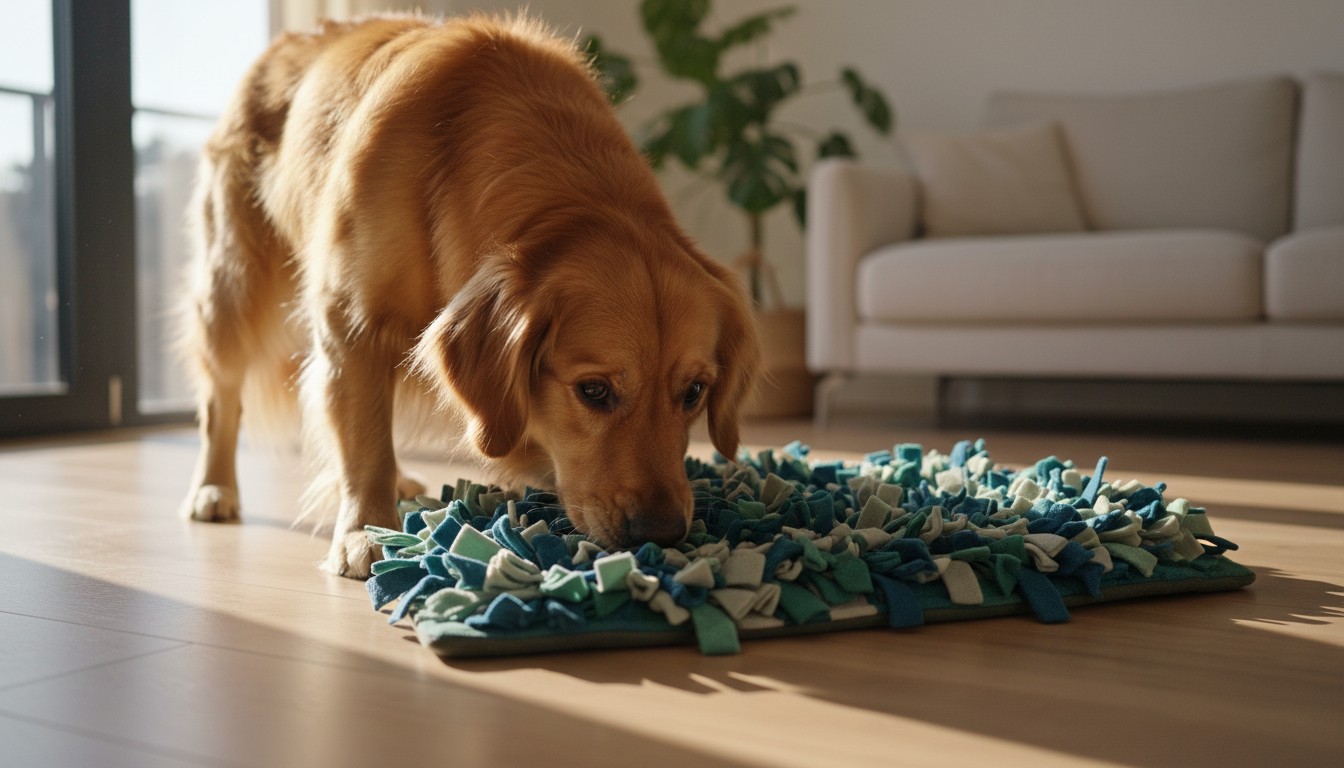
During a cortisol vacation, replace high-intensity play like fetch with 'sniffari' sessions or enrichment. Hide treats around the garden or use a snuffle mat to encourage nose work, which is naturally calming for a dog’s nervous system. Provide plenty of opportunities for deep sleep in a quiet, darkened room away from the family's main thoroughfare. By 'emptying the cup' through controlled rest, you reset the pet's threshold. Many owners find that after a successful cortisol vacation, the dog that was previously 'reactive' to the postie is suddenly able to hear the motorbike and remain resting on their bed without a single bark.
Troubleshooting: When the 'Snap' Happens Anyway
Despite our best efforts, sometimes we miss the signs and a pet reacts. If your pet snaps, growls, or lunges, the first priority is safety and immediate de-escalation. Do not punish the animal. Punishing a growl is like taking the batteries out of a smoke detector; you haven't put out the fire, you've just removed the warning system. Instead, calmly and quietly remove the pet from the situation or remove the trigger from their environment. Give them a 'time out'—not as a punishment, but as a chance to breathe in a secure space like their crate or a separate room.
Once everyone is safe, perform a 'stress audit' of the previous 48 hours. You will often find the clues were there: a missed meal, a vet visit, and a loud storm might have all occurred in quick succession. If your pet’s reactions are becoming more frequent, or if they seem unable to recover even after a cortisol vacation, it is time to seek professional help. A veterinary behaviourist can assess if there is a chronic underlying pain issue or a chemical imbalance that requires medication to help lower the pet's baseline arousal levels.

FAQ
Can a single event cause trigger stacking?
While trigger stacking usually refers to a buildup of multiple events, a single extremely traumatic event can cause a massive cortisol surge that keeps a pet in a heightened state for days. This 'residue' makes them more likely to react to minor triggers in the following 72 hours.
Is trigger stacking the same as aggression?
No. Trigger stacking is a physiological state, whereas aggression is a behavior. A dog may act aggressively because they are trigger stacked, but it doesn't mean they are an 'aggressive dog'. It means their nervous system is currently overwhelmed and unable to cope.
How do I know if the cortisol vacation worked?
You will notice your pet becoming 'soft' again. This includes slower movements, a more relaxed facial expression, better sleep quality, and an increased ability to listen to commands even when there are minor distractions nearby.
Conclusion
Understanding the physiology of trigger stacking changes the way we view our pets' 'bad' behaviour. By recognising that a sudden snap is often the result of a physiological 'cup' overflowing with cortisol, we can move from frustration to empathy. Managing your pet's stress residue isn't about coddling them; it's about respecting their biological limits. If your mate seems out of sorts, remember the 72-hour rule: give them space, cancel the stressful outings, and let their system reset. If you ever feel unsafe or if your pet's behaviour is rapidly changing, please consult a qualified force-free trainer or a veterinary behaviourist to ensure both your safety and your pet's well-being.
References & Sources
This article was researched using the following sources:


