














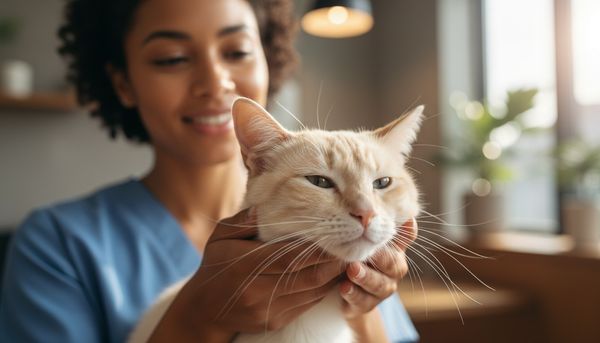
When searching for a new veterinarian, most pet owners focus on the clinic's location, pricing, or the doctor’s bedside manner with humans. However, the most critical factor for your pet’s long-term health and emotional well-being is how the staff interacts with the animal physically. Modern veterinary medicine has shifted toward a more empathetic approach known as cooperative care. By evaluating low-stress and fear-reduction protocols during your first visit, you can ensure that your pet doesn't just receive medical treatment, but also feels safe and respected. This guide will help you identify the specific handling techniques and environmental cues that define a high-quality, modern veterinary practice, ensuring a lifetime of stress-free visits for your furry companion.
Understanding the Fundamentals of Low-Stress Handling
The philosophy behind low-stress and fear-reduction protocols is rooted in the work of pioneers like the late Dr. Sophia Yin. Historically, veterinary medicine often relied on 'firm restraint,' where animals were pinned down or 'scruffed' to complete procedures quickly. We now know this approach can lead to lasting trauma, making future visits increasingly difficult. Modern protocols prioritize the animal's emotional state, using techniques that minimize triggers and encourage cooperation.
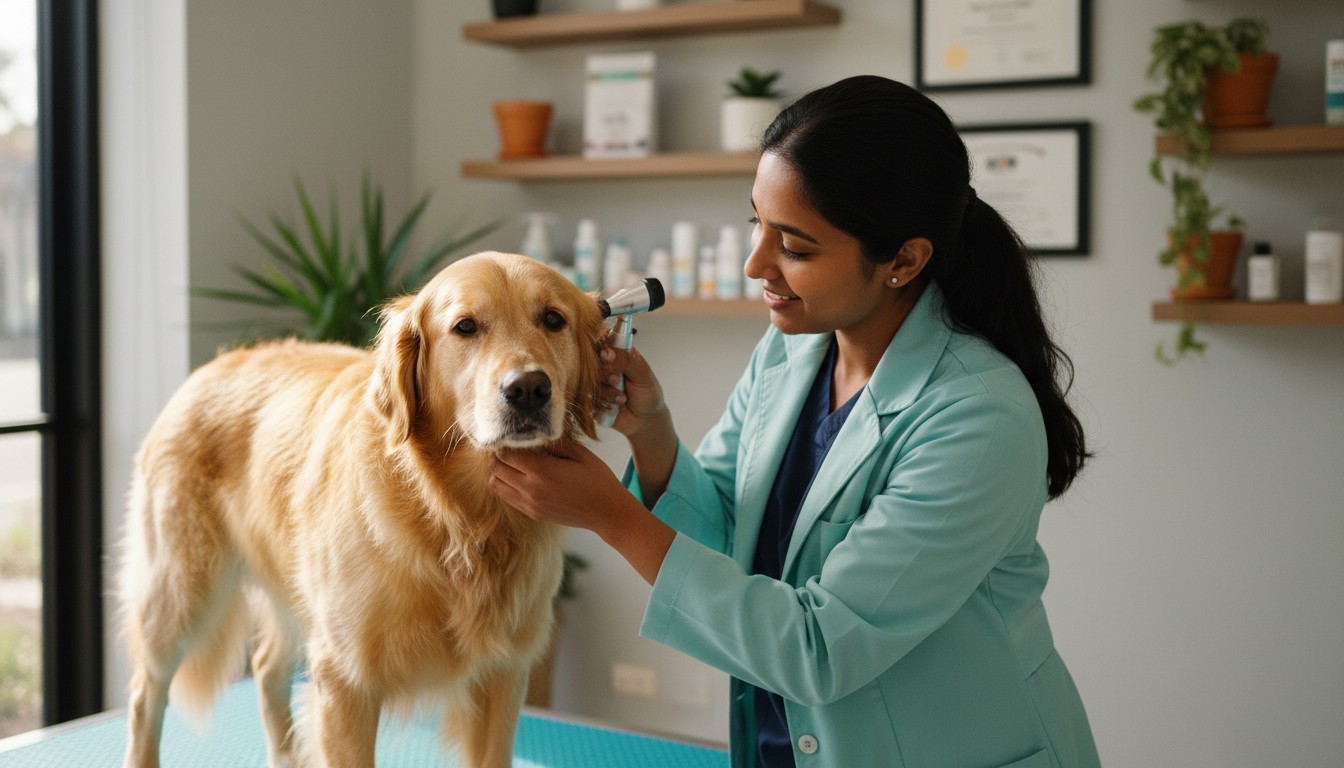
Key indicators of this philosophy include the use of 'minimal effective restraint.' Instead of five people holding a dog down, a low-stress vet might use a towel wrap or simply allow the pet to stand on a non-slip mat while being examined. The goal is to keep the pet’s heart rate down and prevent the 'fight-or-flight' response from ever activating. This isn't just about kindness; it's about medical accuracy. Stress can skew blood pressure readings, glucose levels, and heart rates, leading to potential misdiagnoses.
When evaluating a clinic, look for certifications from organizations like Fear Free or the American Animal Hospital Association (AAHA). These credentials indicate that the staff has undergone specific training to recognize early signs of fear, anxiety, and stress (FAS). Even without certification, a clinic can follow these principles by adjusting their pace to match the animal’s comfort level rather than rushing to finish the appointment.
Environmental Cues: The Waiting Room and Exam Space
A pet's experience begins long before the vet enters the room. A clinic dedicated to low-stress and fear-reduction protocols will curate an environment that appeals to an animal's senses. One of the first things to look for is physical separation between species. Many modern clinics have separate entrances or waiting areas for dogs and cats to prevent the stress of a predatory-prey dynamic in a confined space. If the waiting room is small (e.g., less than 15 feet or 4.5 meters across), the staff should offer the option to wait in your car and receive a text when the exam room is ready.
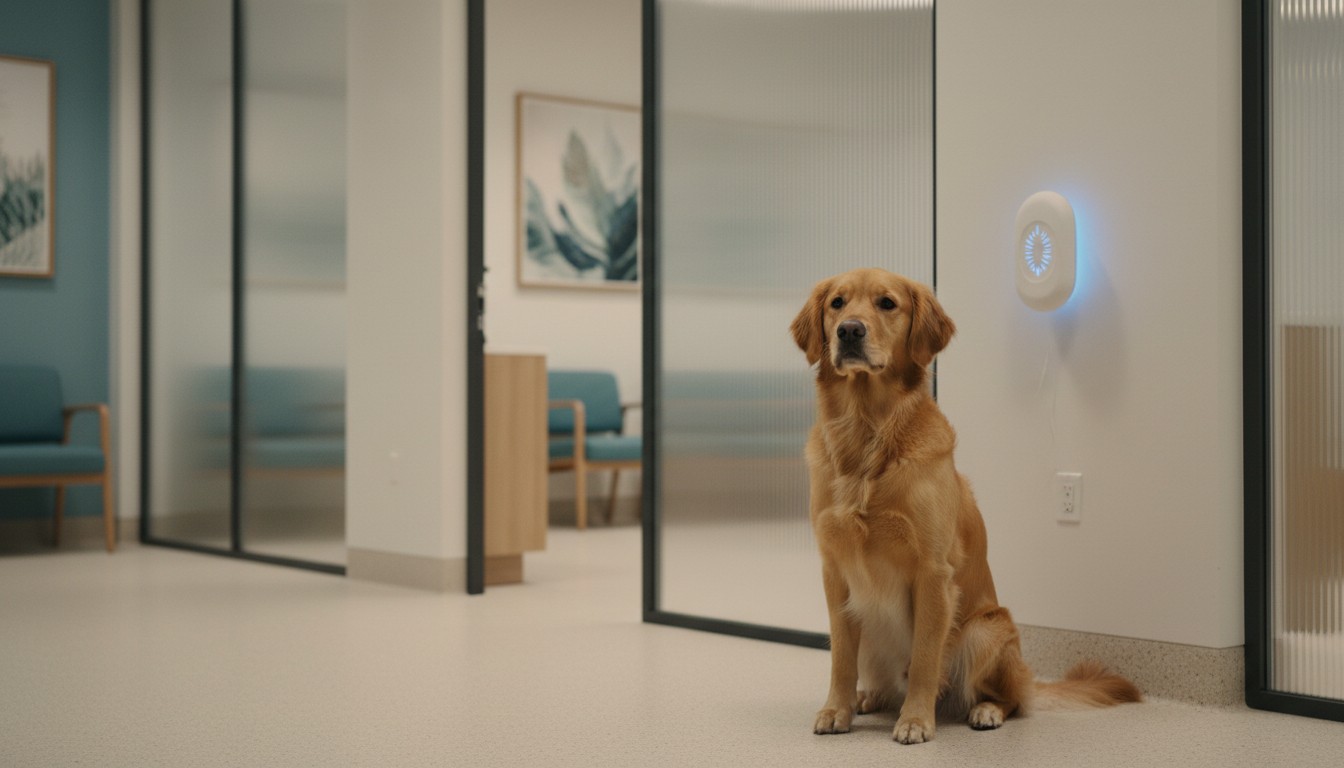
Scent is another critical factor. Observe if the clinic uses pheromone diffusers, such as Feliway for cats or Adaptil for dogs. These synthetic signals mimic natural calming pheromones and can significantly reduce anxiety. Additionally, look at the surfaces. Stainless steel tables are cold and slippery, which can make a pet feel unstable and vulnerable. A low-stress clinic will cover these tables with yoga mats, towels, or specialized fleece pads to provide secure footing.
Auditory triggers should also be managed. Low-stress environments avoid loud overhead intercoms or heavy metal doors that slam shut. Instead, you might hear soft classical music specifically composed for animal relaxation or simply a quieter, more hushed tone among the staff members. These environmental details show that the clinic respects the heightened senses of their patients.
The Power of Positive Reinforcement and Distraction
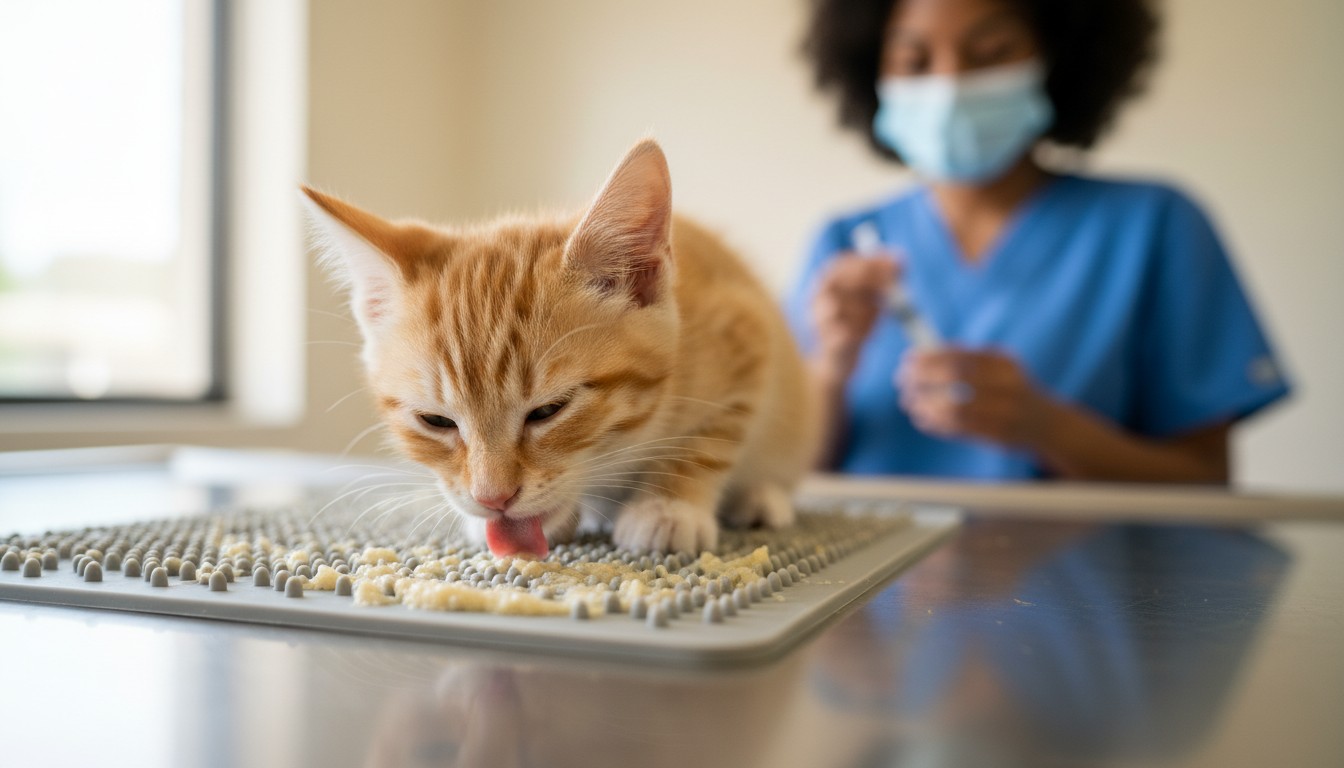
During the actual examination, the presence of high-value rewards is a hallmark of fear-reduction strategies. A 'fear-free' vet shouldn't just have a generic jar of dry biscuits; they should offer a 'smorgasbord' of options like peanut butter (ensure it is Xylitol-free), squeeze cheese, canned food, or even frozen treats. The goal is to create a 'positive association' where the pet is so engaged with the treat that they barely notice a vaccine or a temperature check.
Distraction techniques go beyond just food. Experts use 'touch gold,' which involves maintaining continuous physical contact during an exam so the pet isn't startled by a sudden touch. They might also use 'distraction flicking' or gentle tapping on the head to mask the sensation of a needle prick. If a pet refuses treats, it is often a sign of high stress. A low-stress practitioner will recognize this 'refusal to eat' as a clinical sign and may recommend stopping the procedure rather than forcing their way through it.
This approach requires patience. It might take five minutes of 'making friends' before the stethoscope even comes out. While this may seem like it takes more time, it actually saves time in the long run by preventing the animal from becoming aggressive or difficult to handle in future sessions. When observing a vet, note if they offer a treat before, during, and after every minor procedure.
Communication and Consent-Based Veterinary Care
A significant part of evaluating low-stress and fear-reduction protocols is the dialogue between you and the veterinary team. A modern vet will practice 'consent-based' care. This means they monitor the animal’s body language for signs of 'no'—such as lip licking, 'whale eye' (showing the whites of the eyes), or tucking the tail—and adjust their approach accordingly. They should explain to you exactly what they are doing and why they are choosing a specific handling method.
Don't be afraid to ask direct screening questions. A good vet should be happy to answer: 'How do you handle a dog that is growling?' or 'Do you allow me to stay with my pet during blood draws?' In most low-stress practices, owners are encouraged to stay with their pets for everything except major surgery or X-rays, as the owner's presence usually acts as a safety net for the animal. If a clinic insists on taking your pet 'to the back' for routine procedures without a clear medical reason, this is often a red flag for higher-stress handling.
Furthermore, discuss their policy on Pre-Visit Pharmaceuticals (PVPs). Some owners feel that using anti-anxiety medication like Gabapentin or Trazodone before a visit is a sign of failure. In reality, a low-stress vet views these as essential tools to 'lower the ceiling' of anxiety, allowing the pet to remain calm enough to learn that the vet office isn't a scary place. A vet who proactively suggests these for nervous pets is demonstrating a high level of expertise in behavioral health.

Troubleshooting: When Your Pet is Already Fearful
What happens if you find a great vet, but your pet is already traumatized from years of high-stress handling? This is a common scenario that requires a specific 're-entry' strategy. Start by scheduling 'Happy Visits.' These are short, 5-minute appointments where you bring your pet to the clinic, the staff gives them treats and praise, and you leave without any medical procedures being performed. Most low-stress clinics offer these for free or a nominal fee to help reset the pet's associations.
If your pet shows signs of extreme distress—such as urination, defecation, or aggressive lunging—it’s time to seek professional help from a Veterinary Behaviorist or a certified trainer who uses positive reinforcement. Do not try to 'flood' the animal by forcing them to stay in the scary environment in hopes they get used to it; this usually results in 'sensitization,' making the fear worse.
Signs you should adjust your approach include your pet refusing to get out of the car, trembling in the waiting room, or a sudden change in behavior at home after a vet visit. If your current vet dismisses these concerns with 'he's just being dramatic,' it is a clear sign that their protocols do not align with modern behavioral science. Switching to a provider who understands the nuances of animal fear can be life-changing for both you and your pet.
FAQ
What is the difference between 'Fear Free' and 'Low Stress Handling'?
Fear Free is a specific certification program founded by Dr. Marty Becker that trains professionals to mitigate fear, anxiety, and stress. 'Low Stress Handling' is a term popularized by Dr. Sophia Yin that focuses on specific physical handling techniques. Both share the same goal of improving the animal's emotional experience.
Is it more expensive to go to a low-stress vet?
Generally, no. While some clinics may charge a small 'handling fee' for appointments that require more time, most low-stress practices integrate these protocols into their standard pricing. In the long run, it can be cheaper because it prevents injuries to staff and avoids the need for heavy sedation for simple procedures.
My pet is aggressive at the vet. Can they still be handled with low-stress methods?
Yes. In fact, aggressive pets benefit the most from these protocols. A low-stress vet will use tools like muzzles paired with treats, basket muzzles (which allow for treats), and pre-visit sedation to keep everyone safe while reducing the animal's need to act aggressively out of fear.
Can I request low-stress handling at a traditional vet office?
You can, but it may be difficult if the staff isn't trained in these techniques. You can advocate for your pet by bringing your own high-value treats, asking to wait in the car, and requesting that 'scruffing' or 'pinning' not be used unless it is a life-saving emergency.
Conclusion
Evaluating low-stress and fear-reduction protocols is an essential part of being a proactive pet owner. By looking beyond the human-centric aspects of a veterinary practice and focusing on the physical and emotional experience of the animal, you can foster a much healthier relationship between your pet and their medical team. Remember that you are your pet's primary advocate; if a handling technique feels wrong or causes your pet visible distress, you have the right to stop the procedure and ask for a different approach. If your pet's anxiety remains high despite these protocols, consult with a professional animal behaviorist to develop a tailored desensitization plan. Transitioning to a low-stress environment is a long-term investment in your pet's health and happiness.
References & Sources
This article was researched using the following sources:


