














Navigating pet food transition problems is often more complex than the standard one-week guide suggests. For many owners, the '25/50/75' rule works seamlessly, but for others, it leads to a frustrating cycle of digestive upset and stalled progress. When your dog or cat experiences persistent loose stools or refuse to eat at the 50% mark, pushing through can actually worsen the irritation in the gut lining. Understanding why these transitions stall is the first step toward a successful long-term dietary change.
In this guide, we go beyond the basic advice to explore the biological 'why' behind dietary sensitivity. We will provide a concrete troubleshooting framework to help you distinguish between a temporary adjustment period and a genuine ingredient incompatibility. By the end of this article, you will have a clear, actionable plan to get your pet's digestive health back on track without the guesswork.
Why the Standard Seven-Day Rule Often Fails
The most common advice for changing pet food is the seven-day gradual mix. While this works for the 'average' pet, it fails to account for the unique state of an individual animal's gut microbiome. The microbiome is a complex ecosystem of bacteria, fungi, and viruses that helps break down specific proteins and fibers. When you introduce a new food, you aren't just changing the kibble; you are asking this entire ecosystem to shift its population to accommodate new ingredients. For many pets, especially those with sensitive stomachs or those who have been on a single formula for years, seven days is simply not enough time for these bacterial colonies to reorganize.
When pet food transition problems arise early on, it is often a sign of 'metabolic chaos.' The enzymes required to break down the new protein source may not be present in high enough concentrations, leading to undigested food fermenting in the colon. This fermentation causes gas, cramping, and osmotic diarrhea. Instead of viewing the transition as a calendar-based event, it is more helpful to view it as a biological milestone. Some pets may require fourteen or even twenty-one days to fully adapt to a significantly different nutrient profile, particularly when moving from a high-grain to a grain-free diet or changing primary protein sources like chicken to fish.
Furthermore, the quality of the ingredients plays a massive role. A transition between two high-quality, whole-food recipes may be smoother than moving from a highly processed grocery brand to a premium, nutrient-dense formula. The sheer caloric density and richness of premium foods can overwhelm a digestive system used to 'fillers.' If you find the transition stalling, the first thing to acknowledge is that your pet’s internal clock might just be slower than the one printed on the bag.
Identifying the 50% Hump and Stalled Progress
The 50/50 mark is the most common place for transitions to stall. At this stage, the digestive system is processing an equal amount of old and new enzymes. If your pet has been doing well at the 25% mark but suddenly develops soft stools or increased flatulence at 50%, you have hit the 'threshold of tolerance.' This is a critical diagnostic moment. If the stool is merely soft (like soft-serve ice cream) but the pet is otherwise energetic and hungry, it is likely a transition stall. If the stool is liquid, contains mucus, or if the pet becomes lethargic, it may be a sign of a deeper issue.
Monitoring the 'Bristol Stool Scale' equivalent for pets is essential during this phase. Ideally, you want to see firm, segmented stools. If you notice a decline in consistency that persists for more than 48 hours, the transition has officially stalled. Many owners make the mistake of pushing forward to the 75% mark, hoping the gut will 'catch up.' However, adding more of the irritating stimulus to an already inflamed intestinal tract usually results in a complete digestive shutdown, often requiring veterinary intervention and a prescription bland diet.
Another sign of a stall is 'selective sorting.' If your pet begins picking out the old kibble and leaving the new, or vice versa, they may be associating the new food with the discomfort they feel internally. Pets are highly intuitive regarding post-ingestion feedback. If the new food causes even mild nausea or cramping, they may develop a secondary food aversion. Recognizing these subtle behavioral shifts at the halfway point can save you weeks of frustration and prevent a total refusal of the new diet.

The 48-Hour Reset Protocol
If you encounter pet food transition problems that don't resolve within two days, it is time to implement the Reset Protocol. This is not a total retreat to the old food, but rather a calculated step back to the last successful ratio. If the stall happened at 50%, return immediately to a mix of 75% old food and 25% new food. Stay at this 'safe' ratio until the stool has been consistently firm for at least 48 hours. This allows the intestinal villi to recover from inflammation and the microbiome to stabilize.
Once stability is achieved, proceed using 'micro-shifts' rather than the standard 25% jumps. Increase the new food by only 10% every three days. For example, move from 25% to 35%, then 45%. This 'low and slow' approach is the gold standard for pets with a history of dietary sensitivity. While it may take three weeks to complete the switch, it is significantly faster than having to stop entirely to treat a bout of acute gastroenteritis. During this period, avoid introducing any new treats or human food scraps, as these add variables that make it impossible to track the success of the transition.
During the reset, it is also helpful to monitor the volume of food. Sometimes, pet food transition problems are actually 'overfeeding problems.' If the new food is more nutrient-dense or higher in calories than the old food, the actual volume of the meal should likely be smaller. Feeding the same volume of a much richer food can lead to 'mechanical' diarrhea simply because the small intestine cannot process the sheer load of nutrients. Check the caloric density (kcal/kg) on both bags to ensure you are comparing apples to apples in terms of portion size.
Using Digestive Aids to Bridge the Gap
Sometimes the gut needs a little help to navigate a difficult transition. Probiotics and soluble fibers are excellent tools for managing pet food transition problems. High-quality veterinary probiotics, such as those containing Enterococcus faecium or Bifidobacterium animalis, can provide a concentrated 'boost' of beneficial bacteria that helps crowd out gas-producing species. Starting a probiotic supplement three days before you begin a food transition—and continuing it for a week after the transition is complete—can significantly reduce the incidence of diarrhea.
Soluble fiber, specifically plain canned pumpkin (not pie filling), is another effective bridge. Pumpkin contains fiber that absorbs excess water in the colon, helping to firm up loose stools. It also provides prebiotics that feed the good bacteria in the gut. For a medium-sized dog, one to two tablespoons mixed into each meal can provide the necessary 'bulk' to slow down transit time, giving the body more time to absorb nutrients from the new food. However, use fiber as a temporary tool; if you need pumpkin indefinitely to keep the stools firm, the food itself may not be the right fit.
Another overlooked aid is bone broth (specifically made for pets without onions or excessive salt). Adding a splash of warm broth can make the new food more palatable and provide collagen, which supports gut lining integrity. It also ensures the pet remains hydrated if they are experiencing mild digestive upset. These tools should be seen as a support system, not a mask for a food that is genuinely making your pet ill. If the stools don't improve with the addition of probiotics and fiber within three days, the issue likely lies with the food's ingredient profile.

Distinguishing Between Sensitivity and Incompatibility
Not every stalled transition can be fixed with more time. There is a distinct difference between a 'slow learner' gut and a genuine ingredient incompatibility. Incompatibility, often referred to as food intolerance or allergy, occurs when the immune system or the digestive tract reacts negatively to a specific component in the food. Common culprits include specific proteins (like beef or chicken), certain grains, or even synthetic preservatives and dyes. If you have followed the reset protocol and used digestive aids, but the pet still has soft stools, itchy skin, or chronic ear infections, the food is likely incompatible.
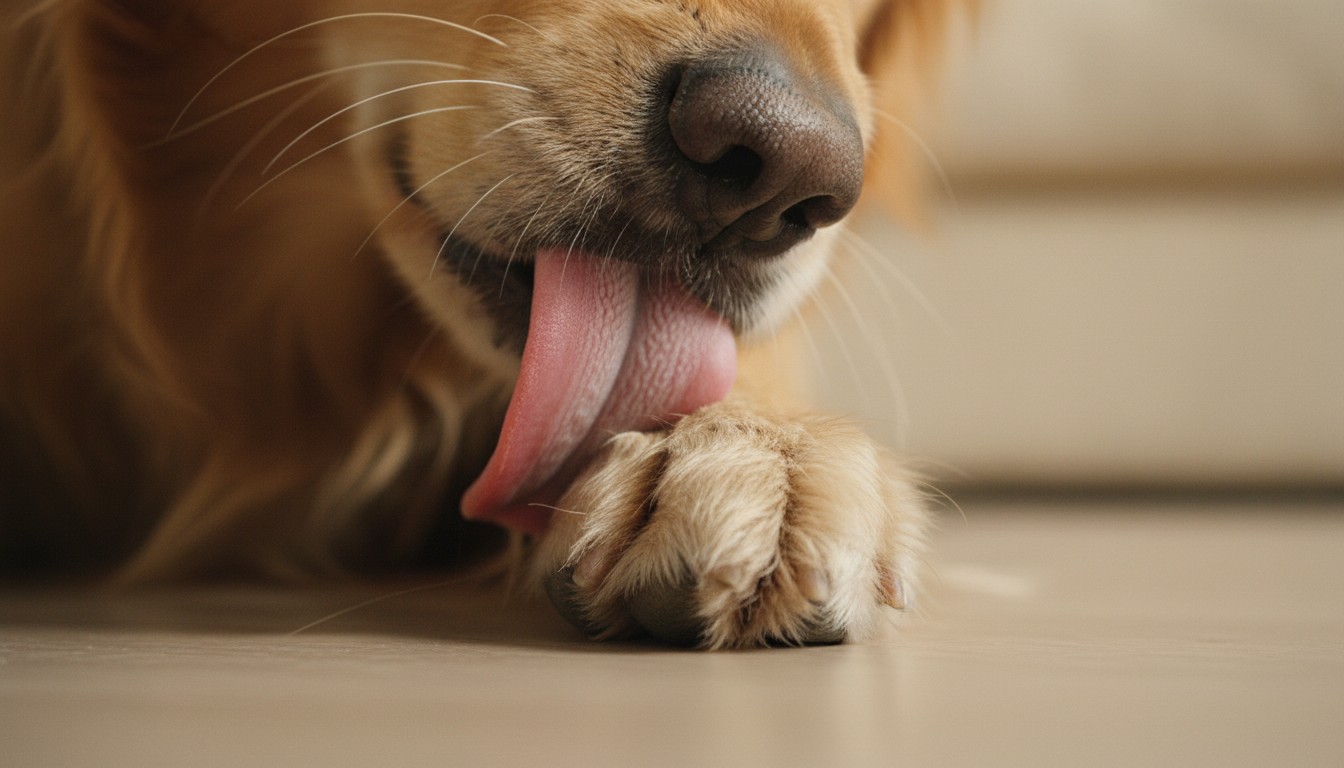
Signs of genuine incompatibility include 'borborygmus' (extremely loud stomach gurgling), excessive paw licking, and vomiting. Unlike a transition stall, which usually improves when you slow down the process, incompatibility symptoms will persist or even worsen as the pet's system becomes more sensitized to the ingredient. In these cases, 'pushing through' is counterproductive and cruel. You must identify the common denominator between the old and new food. For instance, if both foods contain chicken fat, you may need to switch to a limited-ingredient diet that utilizes a completely different protein and fat source, such as lamb or duck.
It is also worth checking the fat content. High-fat diets can trigger 'steatorrhea' (fatty stools) in some pets, particularly those prone to pancreatitis. If your new food has a significantly higher fat percentage than the previous one, the pet's pancreas may be struggling to produce enough lipase. If you suspect an incompatibility, consult your veterinarian about an elimination diet or a hydrolyzed protein trial. Transitioning to a 'cleaner' diet doesn't always mean a 'richer' diet is better for every individual pet.
When to Seek Professional Veterinary Help
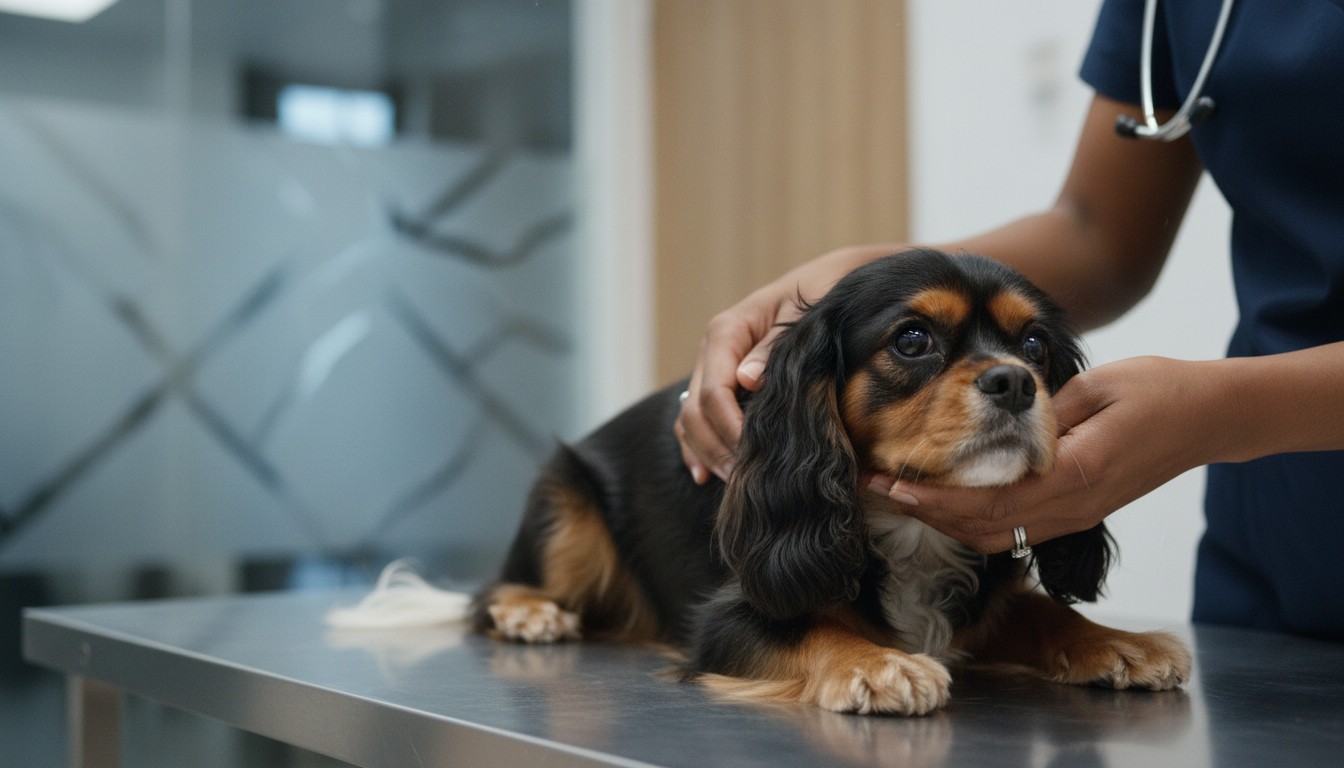
While most pet food transition problems can be managed at home, there are critical moments when professional intervention is required. Safety should always be your priority. If your pet experiences more than two episodes of vomiting, it is no longer a simple transition issue. Vomiting leads to rapid dehydration and can indicate acute gastritis or even a blockage if the pet has also ingested something else. Similarly, the presence of bright red blood or dark, tarry stools (melena) in the feces is an immediate red flag that requires a veterinary exam to rule out GI bleeding or severe inflammation.
Dehydration is a subtle but dangerous complication of a failed transition. You can check for dehydration by gently pinching the skin between the shoulder blades (the 'skin tent' test); if it doesn't snap back immediately, your pet needs fluids. Additionally, if a pet goes more than 24 hours without eating (anorexia), especially in cats, this can lead to secondary issues like hepatic lipidosis. A veterinarian can prescribe a short course of anti-nausea medication or a highly digestible 'i/d' prescription diet to settle the stomach before you attempt another transition.
Finally, if your pet seems 'off'—lethargic, hiding, or showing signs of abdominal pain (like the 'prayer position' where they stretch their front legs out while keeping their rear up)—do not wait. These are signs of significant distress. A professional can run fecal tests to ensure a dormant parasite or underlying bacterial infection wasn't simply triggered by the stress of the food change. Always trust your intuition as an owner; if the transition feels wrong, it is better to seek a professional opinion early than to manage a full-blown medical emergency later.
FAQ
Can I use a bland diet to fix a stalled food transition?
Yes, a temporary bland diet of boiled chicken and white rice can 'reset' the gut. Once stools are firm, you can slowly reintroduce the new food mix, but ensure you consult your vet to ensure the bland diet is nutritionally appropriate for the duration used.
How do I know if the new food is too rich for my dog?
If your dog has consistent 'large volume' soft stools or excessive gas despite a very slow transition, the fat or protein content may be too high. Compare the 'Guaranteed Analysis' on both bags; a jump of more than 5% in fat content can be difficult for some dogs to process.
Why does my cat vomit every time I change their food?
Cats are prone to 'regurgitation' if they eat too quickly, but chronic vomiting during a transition often indicates food sensitivity or inflammatory bowel disease (IBD). Cats also have a more sensitive 'neophobic' response to new textures, which can cause stress-induced digestive upset.
Is it okay to switch food brands frequently?
While 'rotational feeding' can benefit some pets by providing a variety of nutrients, frequent changes can cause chronic GI upset in others. If you choose to rotate, keep the primary protein sources similar and always use a 5-7 day transition period between bags.
Conclusion
Successfully navigating pet food transition problems requires a blend of patience, observation, and biological understanding. While the seven-day rule is a helpful starting point, it is not a universal law. By respecting your pet's unique microbiome and being willing to implement a 'Reset Protocol' when things go south, you ensure a much safer and more comfortable experience for your companion. Remember that the goal of a new diet is improved health and vitality; if the process of getting there is causing significant distress, it is okay to pause and re-evaluate. Use digestive aids like probiotics wisely, monitor stool quality closely, and never hesitate to contact your veterinarian if you see red flags. With a slow, methodical approach, you can overcome almost any transition hurdle and set your pet up for years of nutritional success.
References & Sources
This article was researched using the following sources:

