














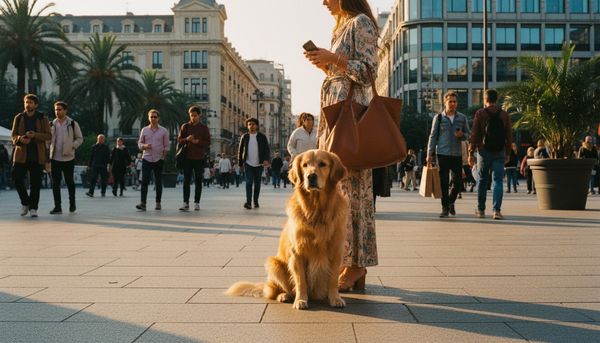
For decades, the standard advice for new puppy owners has been simple: let your dog meet everyone. However, modern training expertise has revealed a major flaw in this 'meet-and-greet' philosophy. True socialization as neutrality is the art of teaching your dog to remain calm and focused on you, regardless of what is happening in the environment. Instead of viewing every person or dog as a potential playmate, neutrality training teaches your dog that the world is a backdrop, not a playground. This fundamental shift in perspective is the most effective way to prevent the development of frustrated greeters and leash reactivity in adult dogs. By prioritizing quiet observation over forced interaction, you build a resilient, confident companion that can navigate busy city streets and crowded parks with ease and indifference.
Redefining Socialization: Why Interaction Isn't Everything
Traditional socialization often emphasizes a high volume of interactions, aiming for a dog that 'loves everyone.' While this sounds ideal, it frequently creates a dog that is over-aroused by the presence of others. When a dog is taught that every new face or tail leads to an exciting meeting, they lose the ability to remain calm when those interactions are denied. This is where socialization as neutrality becomes critical. Neutrality means your dog recognizes a stimulus—whether it is a cyclist, a child on a scooter, or another barking dog—and chooses to remain emotionally level.
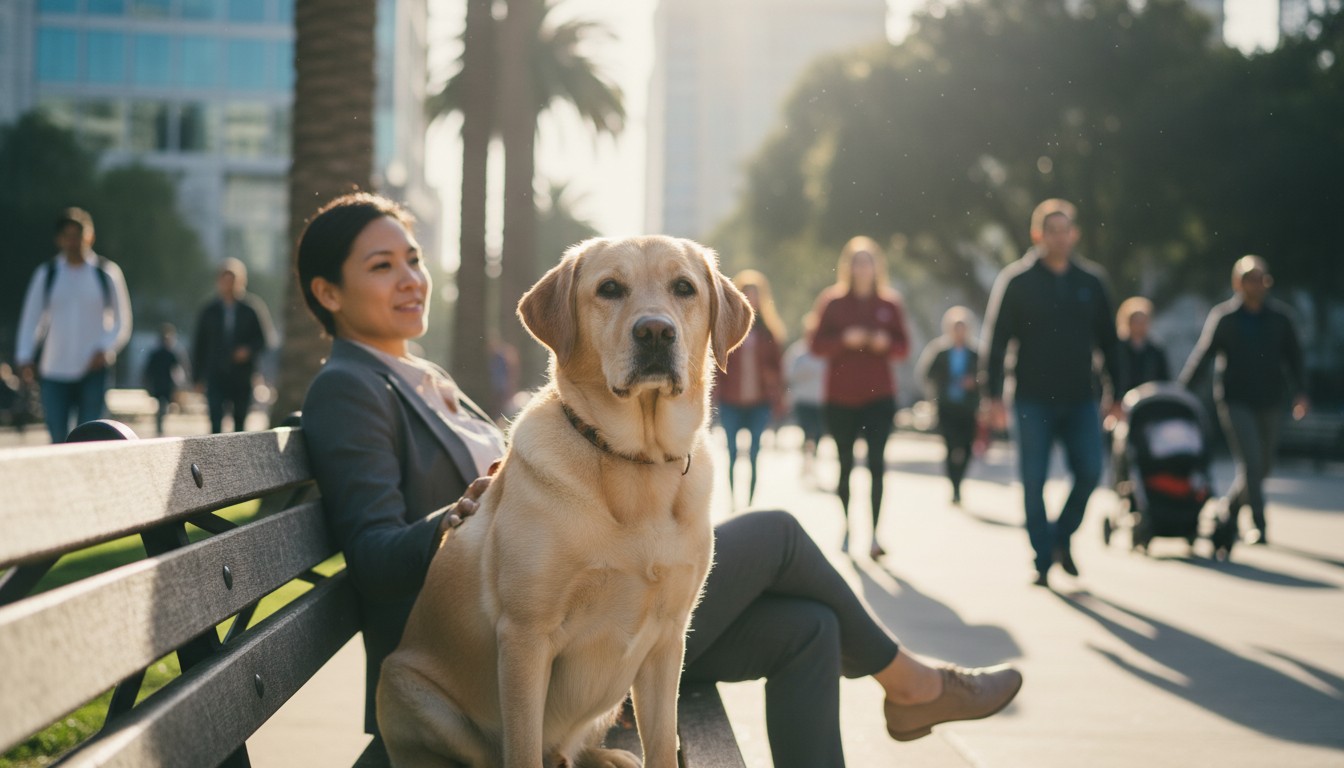
Training for neutrality involves exposing your dog to various environments without the expectation of engagement. This process helps the dog habituate to the sights and sounds of the world. For example, sitting on a park bench 20 feet (6 meters) away from a playground is far more valuable than letting a puppy be swarmed by children. The goal is for the dog to see the world as 'background noise.' When a dog is neutral, they are less likely to experience the fear-based or excitement-based reactivity that plagues many urban pet owners. By focusing on observation rather than interaction, you are teaching your dog that you are the most interesting thing in their environment, even in the midst of chaos.
The Danger of the Frustrated Greeter
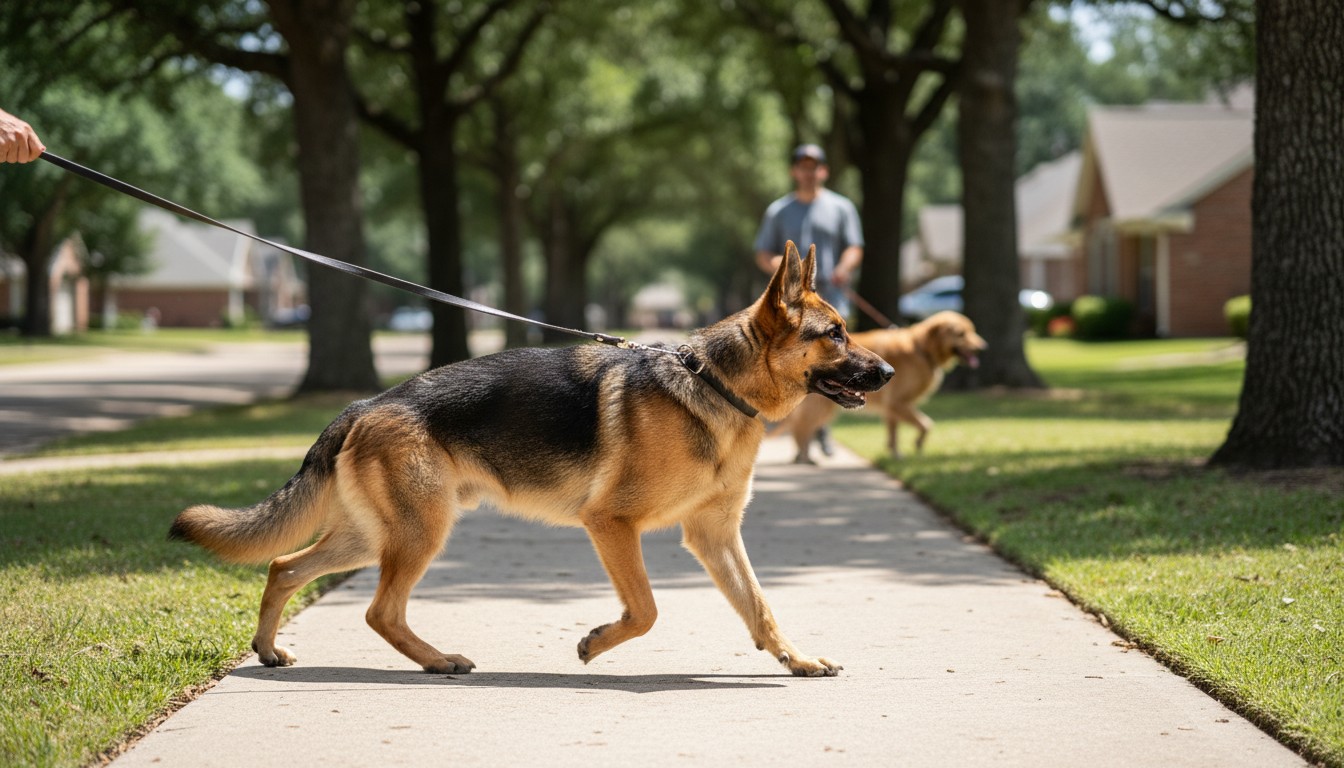
Many owners inadvertently create 'frustrated greeters' by allowing their puppies to greet every dog they see on a leash. This builds a strong expectation in the dog's mind: 'When I see a dog, I get to play.' As the dog grows larger and stronger, this expectation turns into frustration when they are held back by a leash. This frustration manifests as lunging, barking, and pulling—not out of aggression, but out of a desperate desire to reach the other dog. Socialization as neutrality solves this by breaking the 'see dog, must meet' association early on.
To reverse or prevent this behavior, you must change the value of the environment. If your dog only ever plays with you and gets the highest-value rewards from you, the allure of a random stranger or dog decreases. It is important to note that a dog who is neutral isn't 'bored' or 'depressed'; they are simply at peace. They can exist in a high-traffic area like a local farmers' market without feeling the need to scan for interaction. This makes for a much safer and more pleasant walking experience for both the handler and the dog, as you are no longer at the mercy of your dog's fluctuating impulses.
The Disengagement Protocol: Rewarding the Choice
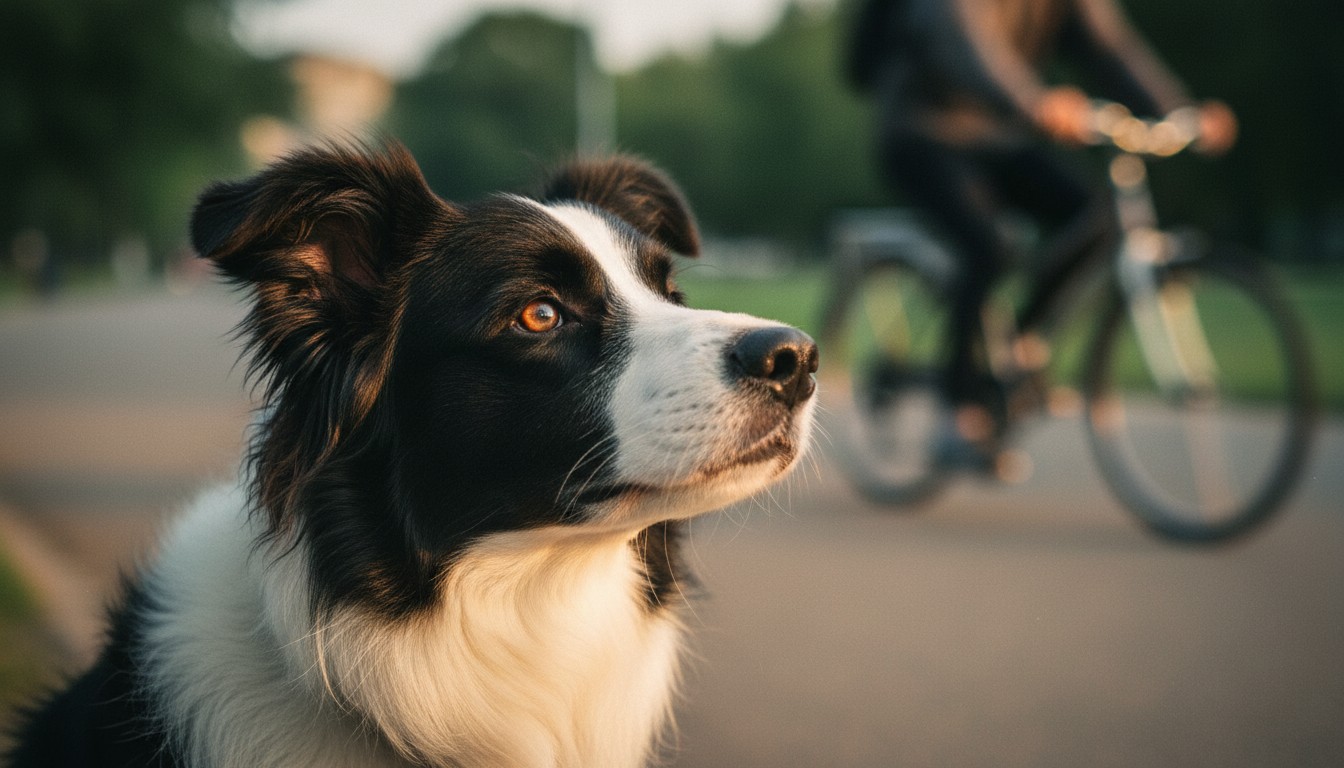
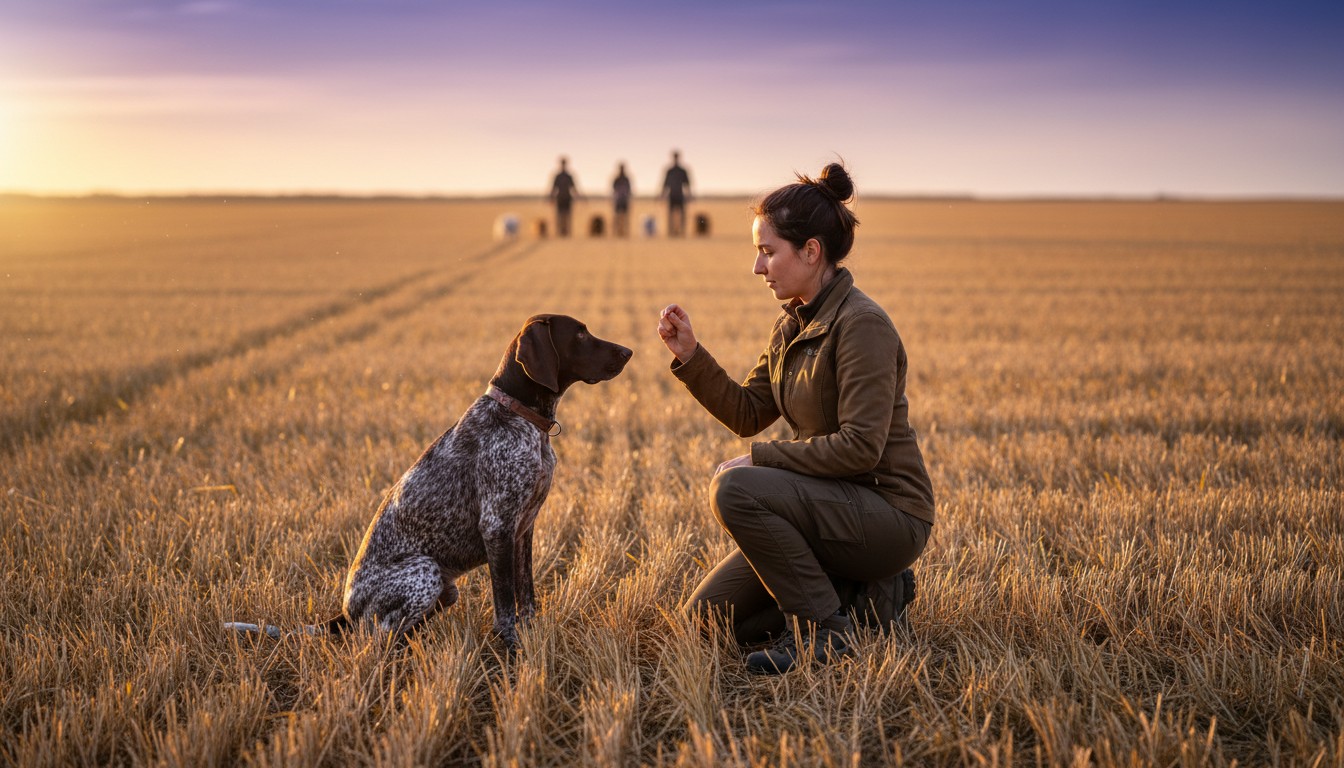
The most effective way to build neutrality is through a disengagement protocol, often referred to in training circles as the 'Look at That' (LAT) game. This involves marking and rewarding the moment your dog notices a distraction but chooses not to react. The sequence is simple: the dog sees a distraction, you mark the behavior (with a clicker or a verbal 'yes'), and you reward the dog. Eventually, the dog will see the distraction and immediately look back at you for their reward. This shifts the focus from the trigger to the handler.
Start in low-distraction environments, such as your driveway or a quiet street. Ensure you are far enough away from the distraction—this is called being 'under threshold'—so your dog can still focus on you and take treats. If your dog is stiffening, staring intently, or refusing food, you are too close. Increase the distance until they can remain calm. Gradually, you can move closer to more intense distractions as their neutrality improves. Use high-value rewards like small pieces of boiled chicken or freeze-dried liver to compete with the environment's natural allure. Consistency is vital; every time your dog ignores a distraction, they are practicing the behavior of neutrality.
Real-World Scenarios for Neutrality Practice
Practicing socialization as neutrality requires seeking out varied environments where you can control the distance. One excellent location is the parking lot of a pet-friendly hardware store. These areas provide a steady stream of people, carts, and noises, but allow you to stay 50 feet (15 meters) away in your car or at the edge of the lot. Watch the world go by with your dog, rewarding them for staying relaxed as doors slam and carts rattle. This type of exposure is far more beneficial than a trip to a dog park, which often overstimulates dogs and reinforces high-arousal behaviors.
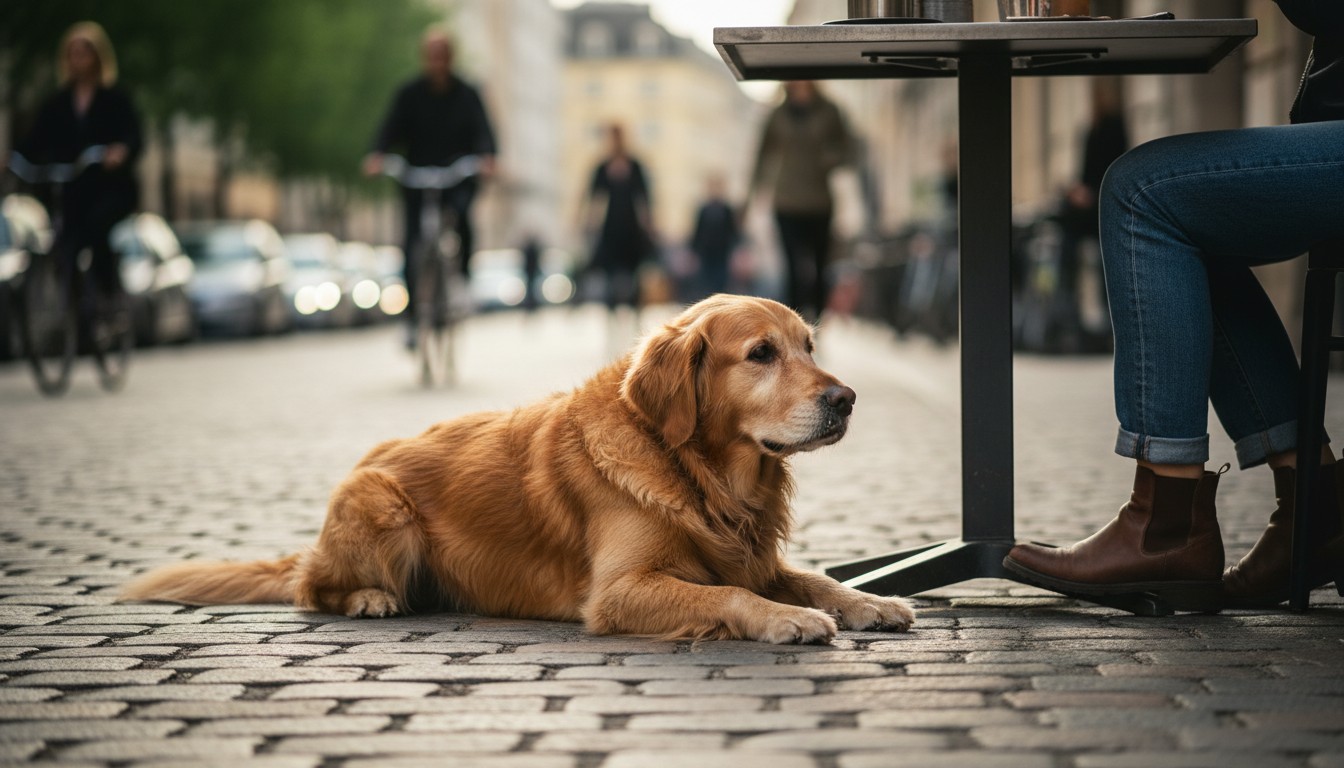
Another great scenario is 'patio training.' Visit an outdoor cafe and sit at a corner table. Your goal isn't for people to pet your dog, but for your dog to lie down calmly while you sip coffee. If people ask to pet your dog, it is perfectly acceptable to say, 'We are training right now, so he needs to stay focused.' This protects your dog's space and reinforces the idea that public outings are for relaxing, not for social marathons. Remember to keep sessions short—15 to 20 minutes is often enough for a young dog. The mental effort required to ignore the world is exhausting, and you want to end on a successful, calm note before the dog becomes overtired and cranky.
Troubleshooting: When Your Dog Struggles
Progress in training is rarely linear, and there will be days when your dog finds it impossible to remain neutral. This often happens due to 'trigger stacking,' where multiple small stressors (a loud car, a windy day, a missed nap) build up until the dog hits a breaking point. If your dog suddenly reacts to something they usually ignore, it is a sign that their internal 'bucket' is full. The best response is to calmly create distance. Do not scold the dog, as this adds more stress to the situation; instead, lead them away until they can take a deep breath and refocus.
If you find your dog is consistently struggling despite your best efforts, consider their physical health and exercise levels. A dog that hasn't had adequate mental or physical stimulation will find it much harder to regulate their impulses. Conversely, an over-tired puppy will also lack self-control. Ensure you are working with a 'clean' slate. If reactivity becomes dangerous or unmanageable, it is time to consult a professional trainer who uses positive reinforcement methods. They can help you identify subtle body language cues—like lip licking or whale-eye—that indicate your dog is uncomfortable long before a bark occurs. Adjusting your criteria and going back to basics is never a failure; it is a necessary part of the learning process.
FAQ
Does neutrality mean my dog can never play with other dogs?
Not at all. Neutrality simply means your dog understands that play happens at specific times and places, rather than with every dog they see on the street. You can still have playdates with known 'dog friends' in controlled environments, which helps maintain social skills without creating leash frustration.
At what age should I start training for neutrality?
You should start as soon as you bring your puppy home. While the 'critical socialization window' is usually between 3 and 16 weeks, neutrality is a lifelong skill. Even older dogs can benefit from learning that they don't have to react to every stimulus in their environment.
What if a 'friendly' dog approaches us while we are training?
This is a common challenge. It is best to be proactive: step in front of your dog and calmly tell the other owner, 'My dog is in training and needs space.' Most owners will understand. If the other dog is off-leash and approaching, focus on moving your dog away to maintain their sense of safety.
Conclusion
Socialization as neutrality is a gift you give to your dog and yourself. By shifting the focus from 'meeting the world' to 'existing in the world,' you create a dog that is confident, calm, and manageable in any situation. This approach respects the dog's individual personality and prevents the common pitfalls of over-socialization. Remember that the goal is not a robot, but a partner who trusts you to handle the environment so they don't have to. As you continue this journey, prioritize quality of exposure over quantity, and always work at your dog's individual pace. If you encounter significant behavioral hurdles, seeking guidance from a certified professional trainer can provide the personalized adjustments needed for success. Start small, stay consistent, and enjoy the peace that comes with a truly neutral dog.
References & Sources
This article was researched using the following sources:


