















Bringing a new pet home is an emotional milestone, but for the animal, it is often a period of significant physiological stress. Whether you are adopting a rescue dog or bringing home a kitten, the transition involves a massive sensory shift that can trigger a spike in cortisol levels. To mitigate this, experts recommend designing a low-stimulus decompression zone—a dedicated, controlled environment where the animal can reset their nervous system during the first week. By intentionally managing environmental triggers like acoustics and lighting, you provide your pet with the 'psychological safety' required to begin the bonding process. This guide explores how to select the right space, configure sensory inputs, and troubleshoot common adjustment issues to ensure a smooth transition into your family.
The Science of Decompression: Managing Cortisol Levels
When a pet enters a new home, they are often in a state of 'hyper-vigilance.' In animal behavior, this is linked to the endocrine system's production of cortisol and adrenaline. A shelter or a long transport journey keeps these levels high, and it can take several days—sometimes weeks—for these hormones to return to baseline. A decompression zone is not just a room; it is a clinical intervention for the pet's nervous system.
To effectively manage these levels, you must prioritize 'disengagement.' This means providing a space where the pet does not feel the need to monitor the entire house. For a dog, this might be a quiet corner of a guest room; for a cat, it might be a small bathroom or laundry room. The goal is to limit the 'data' the pet has to process. Every new floor texture, household noise, and human interaction is data that requires mental energy. By narrowing their world temporarily to about 100-150 square feet (9-14 square meters), you allow their brain to focus on the basics: eating, sleeping, and realizing they are safe.
Selection Criteria: Choosing the Ideal Location
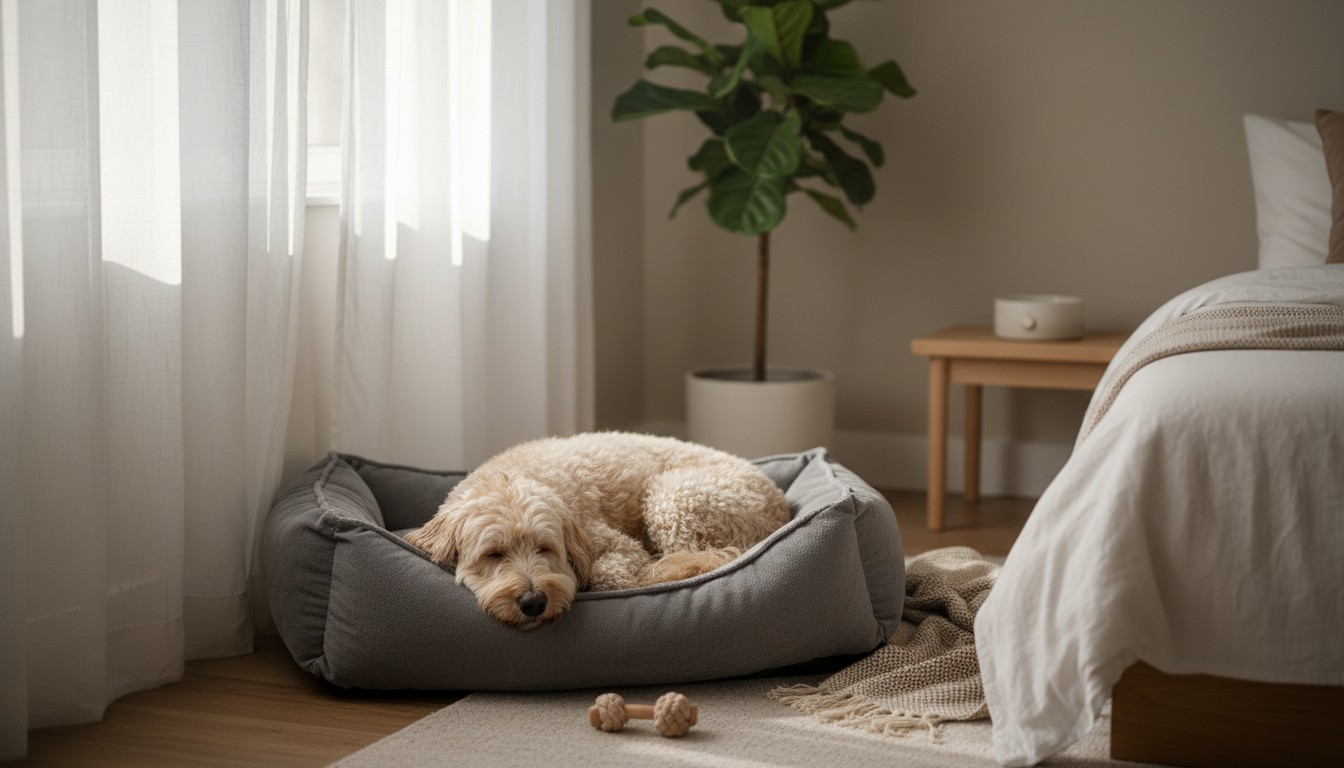
Selecting the right location for your low-stimulus decompression zone is the most critical decision in the setup process. Ideally, the space should be far from 'high-traffic' areas such as the kitchen or the front door, where the sounds of mail delivery or cooking could trigger anxiety. Basements can work if they are finished and climate-controlled, but guest bedrooms or large walk-in closets are often superior due to existing acoustic insulation.
Consider the following layout factors:
- Acoustic Dampening: Choose a room with carpeting or add a large area rug. Hardwood floors amplify the sound of footsteps and falling objects, which can startle a nervous animal.
- Visual Boundaries: If using a room with glass doors, cover them with temporary frosting or curtains. A pet that can see movement in the rest of the house but cannot access it may experience frustration or 'barrier reactivity.'
- Proximity to Resources: The zone must accommodate a litter box or puppy pads, a water station, and a sleeping area. For cats, vertical space is essential; a tall cat tree in a corner of the room provides a 'high-ground' security post.
Sensory Control: Managing Light, Sound, and Scent
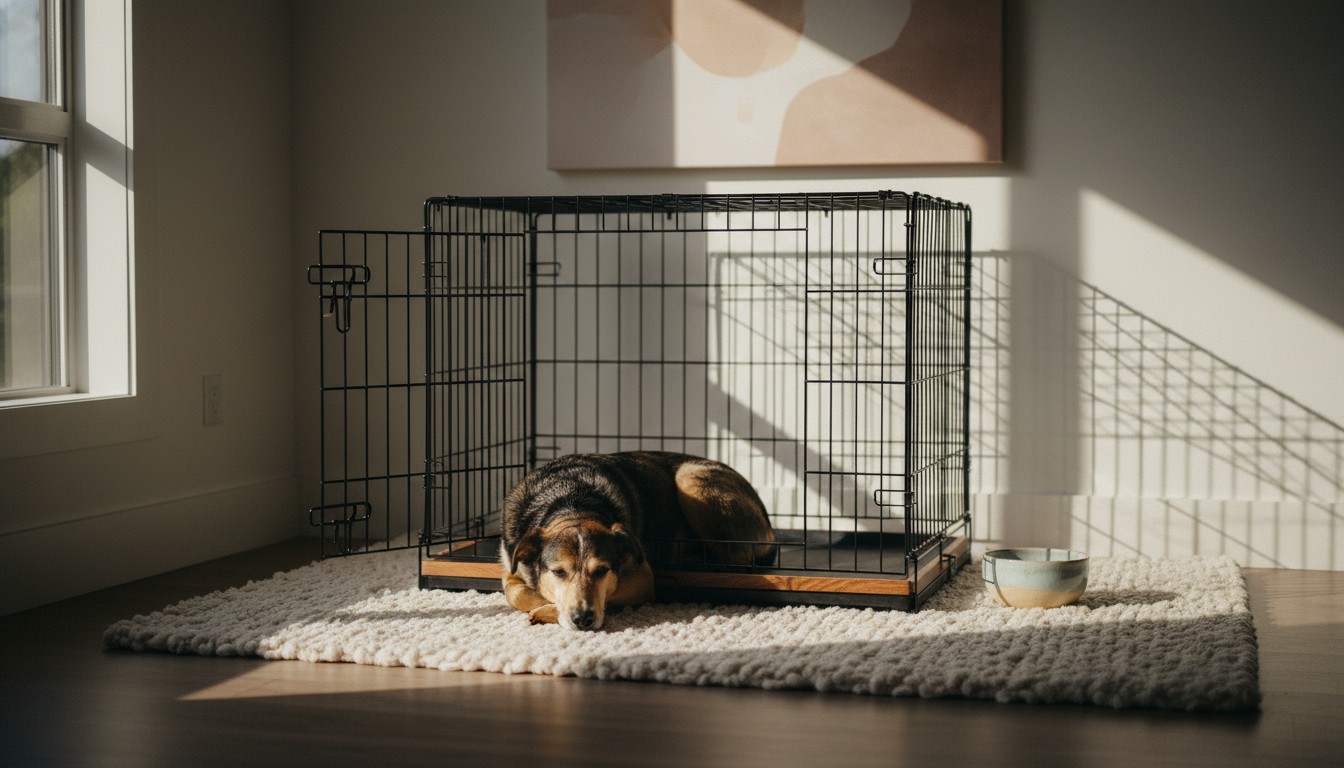
Once the room is chosen, you must fine-tune the sensory inputs within the low-stimulus decompression zone. Start with lighting. Bright overhead lights, especially fluorescent bulbs with high-frequency flickers invisible to humans but detectable by animals, can be irritating. Use warm-toned LED lamps or smart bulbs set to a dim, amber hue. This mimics the 'golden hour' and signals to the animal's circadian rhythm that it is time to rest.
Sound management involves both blocking and maskings. While you want to block outside noises, total silence can be unnerving as it makes every small creak sound like a threat. Use a white noise machine or a dedicated 'calming music' playlist designed for pets. These often use low-frequency sounds that mimic a heartbeat or soft classical arrangements. Scent is equally powerful. Avoid using strong air fresheners, scented candles, or citrus-based cleaners, as these can be overwhelming to a dog’s nose, which is up to 100,000 times more sensitive than a human's. Instead, place an unwashed t-shirt you have worn in the zone to begin 'scent-association' with your presence in a non-threatening way.
Furnishing the Zone: Tactile Comforts and Safety
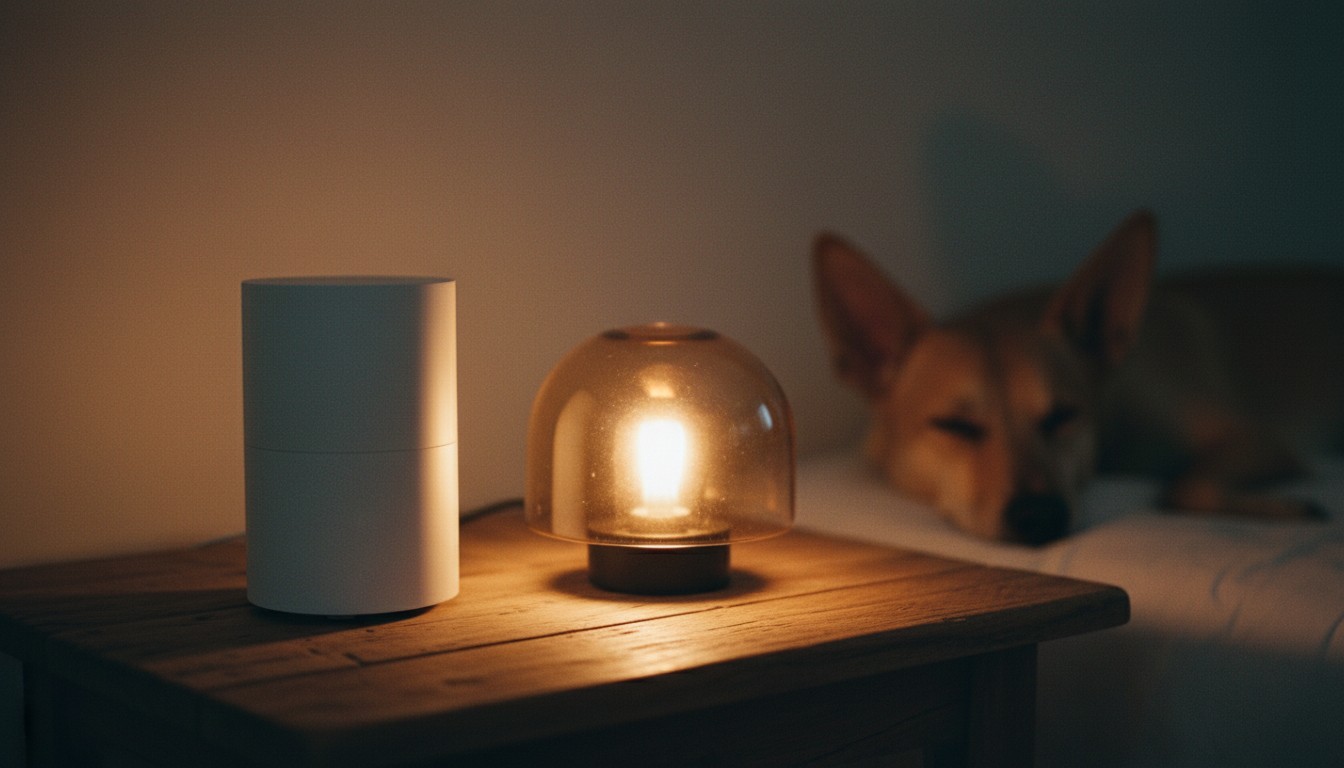
The physical items within the zone should be selected for 'tactile safety.' This means avoiding items that are slippery or unstable. For dogs, ensure that any crates used are correctly sized—large enough to stand and turn around in, but small enough to feel like a den. Cover three sides of the crate with a thick, breathable blanket to enhance the 'denning' effect. For cats, focus on 'hiding spots' such as tunnels or cardboard boxes. A cat that can hide is a cat that will eventually feel brave enough to explore.
Specific gear recommendations for a $100-$300 USD budget:
- Non-slip mats: Use these under water bowls and near the entry to prevent the 'skating' sensation on smooth floors.
- Pheromone Diffusers: Products like Adaptil (for dogs) or Feliway (for cats) release synthetic versions of calming pheromones that can significantly reduce anxiety.
- Enzymatic Cleaners: Even if the pet is house-trained, accidents will happen in a new environment. Use a high-quality enzymatic cleaner to completely remove scent markers, preventing the pet from returning to the same spot.

Troubleshooting: When Adjustment Stalls
Not every pet will adjust at the same speed, and it is vital to recognize when the low-stimulus decompression zone needs modification. A common issue is 'regression,' where a pet seems to be doing well but suddenly retreats. This is often a sign of 'trigger stacking,' where too many small stressors (a loud car outside, a visitor, a vacuum cleaner) have piled up until the animal can no longer cope. If this happens, simplify the environment further: dim the lights more, reduce human interaction for 24 hours, and increase the white noise volume.
Signs that you should adjust your approach include:
- Extreme Pacing: This indicates the pet cannot settle. The room may be too large or have too many windows.
- Inappetence: If the pet hasn't eaten in 24 hours (cats) or 48 hours (dogs), they are likely too stressed to feel hunger. Try higher-value treats or moving the food bowl closer to their hiding spot.
- Excessive Vocalization: Barking or meowing at the door suggests the zone might be too isolated, or the pet is experiencing separation distress. In these cases, moving the zone slightly closer to human activity—while maintaining a visual barrier—might be necessary.
FAQ
How long should my pet stay in the decompression zone?
Most experts recommend a minimum of 3 to 7 days. However, you should look for behavioral cues rather than following a strict calendar. Once your pet is eating regularly, sleeping deeply, and showing curiosity about the door, you can begin slowly expanding their access to the rest of the house.
Should I leave my pet alone in the zone all day?
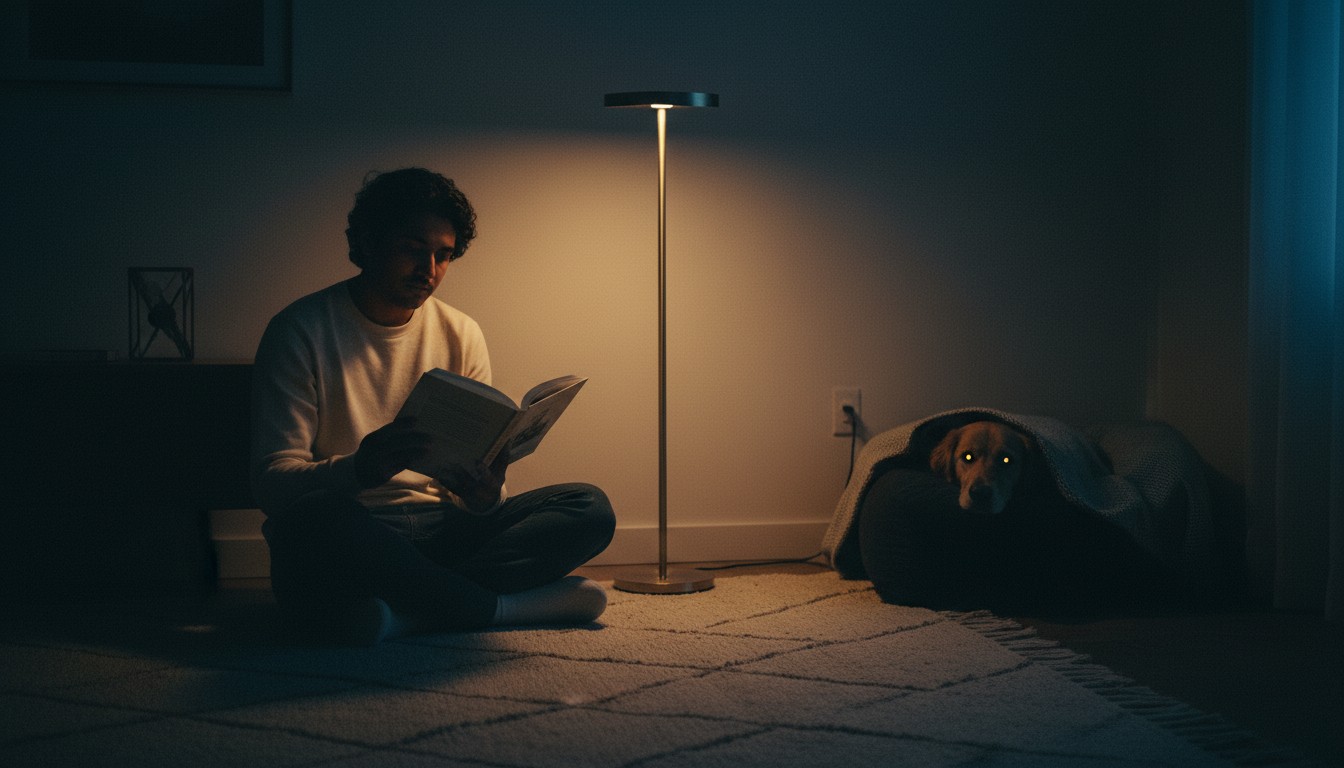
Not necessarily. You should spend time in the zone practicing 'passive bonding.' This involves sitting quietly in the room without forcing interaction—reading a book or scrolling on your phone—allowing the pet to approach you on their terms while they feel safe in their territory.
What if my house is small and I don't have an extra room?
If a separate room isn't possible, use a 'corner-zone' strategy. Use tall x-pens (exercise pens) or room dividers to cordon off a quiet corner. Cover the dividers with blankets to create a visual barrier and use a rug to define the acoustic boundary of the space.
Conclusion
Designing a low-stimulus decompression zone is an act of empathy that sets the foundation for your life together. By respecting the '3-3-3 rule'—three days of decompression, three weeks of learning routines, and three months of feeling truly at home—you avoid the common mistake of overwhelming a new pet too early. Remember that adjustment is not a linear process. Some days will feel like a step backward, but with a consistent, low-stress environment, your pet will eventually find the confidence to join the rest of the household. If your pet shows signs of extreme aggression, self-harm, or prolonged refusal to eat, consult a certified veterinary behaviorist or a professional trainer immediately. Safety and patience are your two most valuable tools during this transition.
References & Sources
This article was researched using the following sources:

