














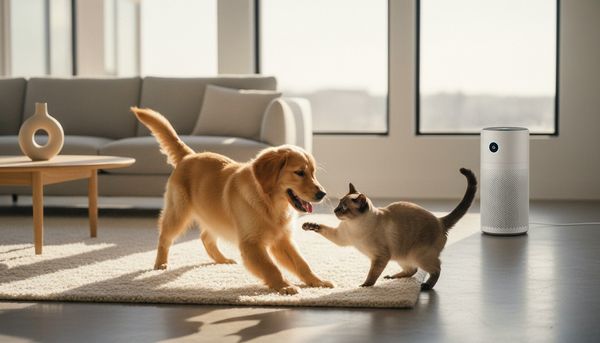
Creating a spa-like atmosphere at home with ultrasonic diffusers and scented candles is a popular self-care trend, but for our animal companions, these scents can be silent threats. While many homeowners assume that 'natural' plant extracts are inherently safe, the biological reality of our pets suggests otherwise. Investigating the essential oil hazards for pets reveals a complex interaction between aerosolized droplets and delicate metabolic pathways. Pets do not process inhaled compounds the same way humans do, leading to potential toxicity that builds up over time. This article explores the mechanisms of airborne harm, the specific chemicals that pose the greatest risk, and how you can maintain a fragrant home without compromising the health of your dogs, cats, or birds. By understanding how these substances enter the bloodstream through the lungs, you can make informed decisions about your home's air quality.
The Biological Mechanism: Why Inhalation is Invasive
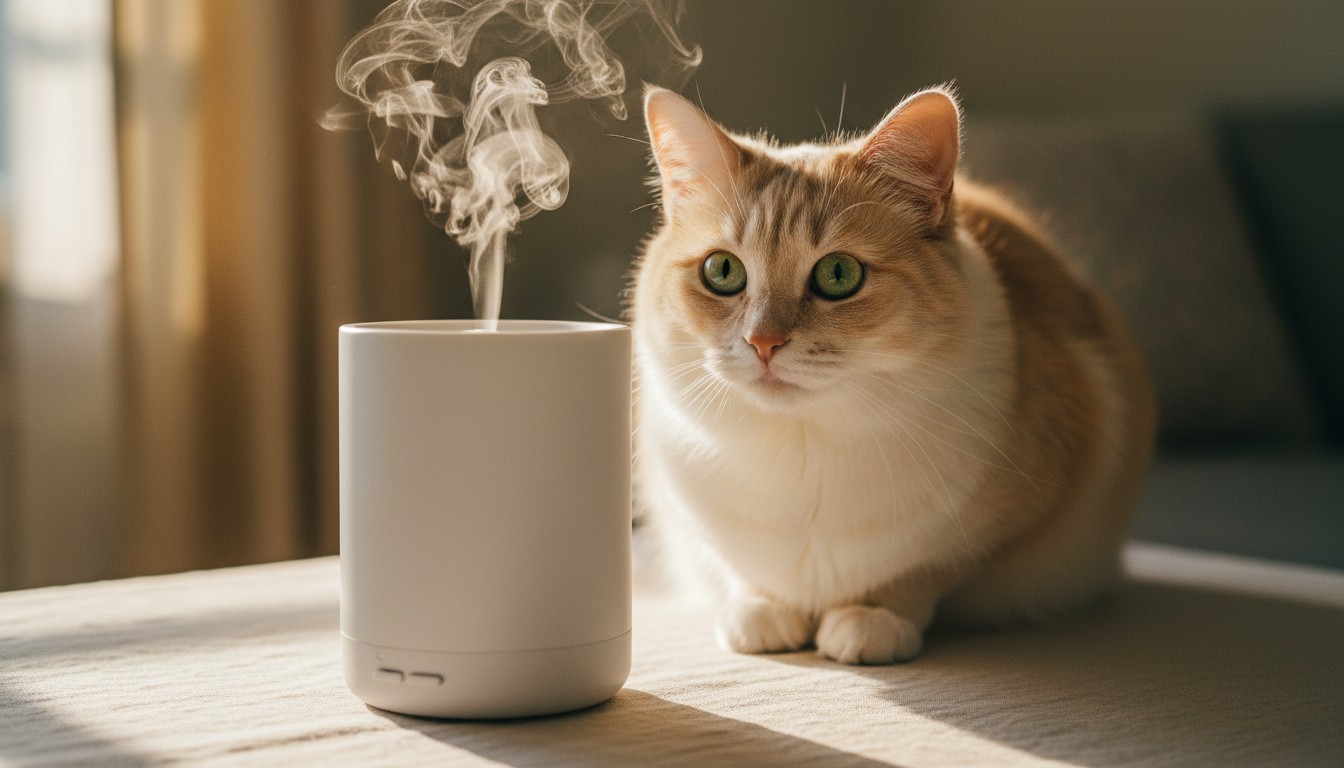
When you turn on an ultrasonic diffuser, it breaks down essential oils into microscopic droplets that are suspended in the air. This process, known as aerosolization, allows these concentrated compounds to be inhaled directly into a pet's respiratory tract. Unlike humans, many pets spend their time close to the floor where heavier aerosolized particles tend to settle. Furthermore, cats and dogs have a significantly higher respiratory rate than humans, meaning they inhale a larger volume of air—and any associated toxins—relative to their body size.
Once inhaled, these particles don't just stay in the lungs. The thin membranes of the alveoli allow volatile organic compounds (VOCs) to pass directly into the bloodstream. This bypasses the first-pass metabolism of the digestive system, which would normally filter some toxins if the substance were ingested. For birds, the risk is even more acute; their unique respiratory systems are designed for high-efficiency oxygen exchange, making them hypersensitive to any airborne particulates or fumes. Even small concentrations of scent can lead to rapid respiratory distress or sudden death in avian species.
Beyond the lungs, these droplets eventually land on the pet's fur. This leads to a secondary route of exposure: ingestion. When pets groom themselves, they lick off the concentrated oil residue that has settled on their coat. This double-hit of inhalation and ingestion is why essential oil hazards for pets are so difficult to manage once a diffuser is running in a small, poorly ventilated room.
Metabolic Roadblocks: Phenols and Monoterpenes
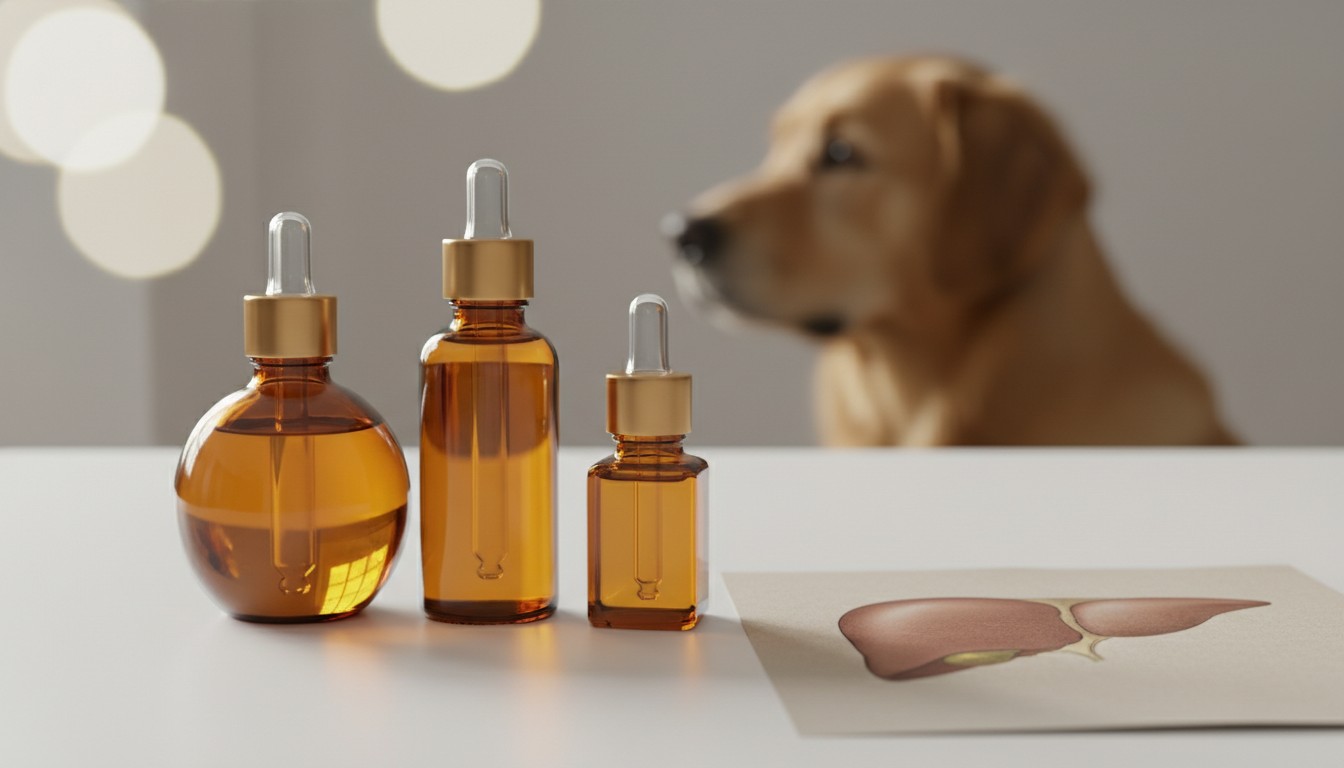
The toxicity of essential oils isn't just about the scent; it's about the chemistry. Two specific groups of compounds—phenols and monoterpenes—are particularly dangerous for household pets, especially cats. Cats lack a vital liver enzyme called glucuronyl transferase. This enzyme is responsible for 'glucuronidation,' a process that breaks down certain chemicals so they can be excreted. Without it, compounds found in oils like tea tree, peppermint, and cinnamon can accumulate in the liver, leading to oxidative stress and eventual organ failure.
Phenols are found in high concentrations in oils such as oregano, clove, and thyme. Even in low-dose airborne form, these can cause significant irritation. Monoterpenes, common in citrus oils (limonene) and pine oils, are equally problematic. When a diffuser runs continuously, the pet's liver is under constant pressure to process these 'natural' toxins. Over time, this cumulative exposure can manifest as chronic lethargy or unexplained weight loss, which owners often fail to link to their home fragrance habits.
It is a common misconception that high-quality, 'therapeutic grade' oils are safer. In reality, the higher the purity of the oil, the higher the concentration of these toxic compounds. For a dog, whose liver is more robust than a cat's, the danger still exists in the form of neurological interference. High concentrations of certain oils can lead to 'ataxia,' a lack of muscle coordination that makes the dog appear 'drunk' or wobbly.
Comparing Delivery Systems: Diffusers vs. Scented Candles
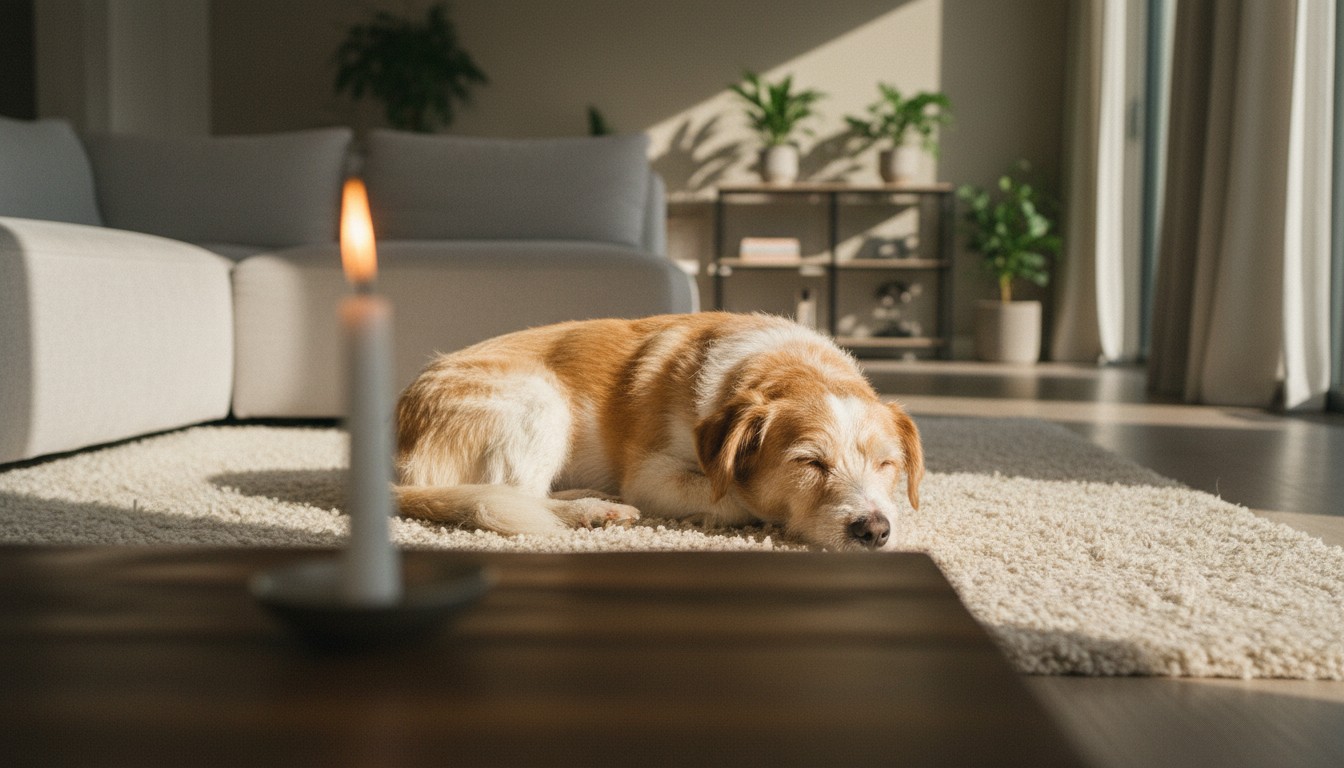
While ultrasonic diffusers are often the primary concern due to aerosolization, scented candles introduce a different set of essential oil hazards for pets. Candles primarily release toxins through combustion. This process generates soot (particulate matter) and Volatile Organic Compounds like formaldehyde and benzene, especially in lower-quality paraffin waxes. Even 'natural' soy candles often use synthetic fragrances that, when burned, release respiratory irritants into the air.
Passive diffusers, such as reed diffusers or heat lamps, are generally considered lower risk than ultrasonic versions because they do not 'force' droplets into the air. However, they still contribute to the total VOC load in a home. The primary danger with candles is the PM2.5—fine particulate matter that can settle deep in the lungs. This is particularly problematic for pets with pre-existing conditions like feline asthma or canine chronic bronchitis.
If you choose to use these products, the duration of use is the most critical factor. The 'set it and forget it' mentality with plug-in air fresheners or 24-hour diffusers is where most pet owners run into trouble. In an enclosed space with limited ventilation, the concentration of airborne irritants can reach levels comparable to industrial smog. To mitigate this, experts recommend the 'one-room' rule: never diffuse in a room where a pet is confined, and always ensure they have a clear path to exit the area to a space with fresh air.
Identifying Toxic Exposure: Symptoms and Troubleshooting
Recognizing the early signs of essential oil toxicity is crucial for preventing long-term damage. Because the symptoms often mimic common allergies, many owners overlook them until the situation becomes an emergency. Common respiratory signs include sneezing, persistent coughing, or 'wheezing' sounds during rest. You might also notice your pet having watery eyes or a runny nose shortly after you start a diffuser.
Neurological and systemic symptoms are more severe. If your pet displays 'ataxia' (wobbliness), tremors, or extreme lethargy, they may be experiencing acute toxicity. In cats, excessive drooling or vomiting after exposure to certain scents is a major red flag indicating their liver is struggling. If you notice these signs, the first step is immediate troubleshooting: turn off all scent sources, open windows to flush the area with fresh air, and move the pet to a different environment.
If the symptoms do not resolve within 30 to 60 minutes of providing fresh air, or if the pet is struggling to breathe (evidenced by open-mouth breathing in cats or blue-tinged gums), you must seek veterinary assistance immediately. Do not attempt to induce vomiting or apply 'neutralizing' substances to their fur, as this can worsen the irritation. Take the bottle of the oil or the candle used with you to the clinic so the vet can identify the specific compounds involved.

Safer Alternatives for a Fresh-Smelling Home
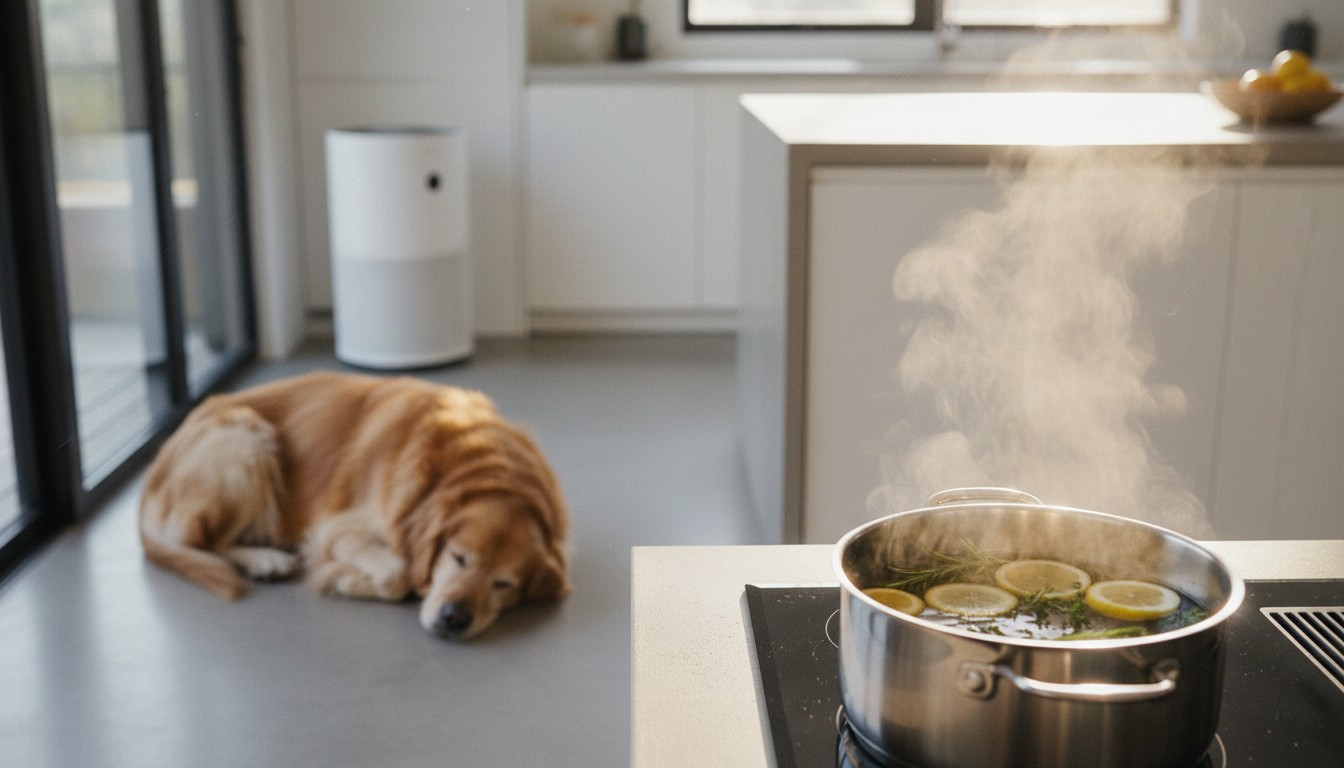
Living with pets doesn't mean you have to endure a smelly home, but it does require a shift in strategy. The safest way to handle essential oil hazards for pets is to focus on air cleaning rather than air masking. High-efficiency particulate air (HEPA) filters are the gold standard for pet owners. These devices remove dander, dust, and many VOCs from the air without adding any chemical load. Combined with an activated carbon filter, a good air purifier can eliminate pet odors more effectively than any candle.
If you must use scents, consider 'simmer pots.' Boiling a pot of water with sliced lemons, ginger, or cinnamon sticks on the stove provides a mild, natural fragrance. Because the water is evaporated rather than aerosolized under pressure, the particles are larger and less likely to stay suspended in the air or penetrate deep into the lungs. However, even simmer pots should be used sparingly and away from birds.
Another effective method is the use of bamboo charcoal bags. These are passive, scentless, and highly effective at absorbing odors from the air. For localized smells, like litter boxes or pet beds, frequent cleaning with pet-safe, enzymatic cleaners is more effective than trying to cover the scent with lavender or eucalyptus. Always prioritize ventilation—cracking a window for just ten minutes a day can reduce indoor pollutant levels significantly, creating a safer environment for everyone in the household.
FAQ
Is lavender oil safe to diffuse around cats?
While often marketed as 'calming,' lavender contains linalool and linalyl acetate, which can be difficult for a cat's liver to process. If you must diffuse it, do so only in a large, well-ventilated room for short periods (30 minutes or less) and ensure the cat can leave the room freely.
Which essential oils are most toxic to dogs and cats?
The most dangerous oils include Tea Tree (Melaleuca), Peppermint, Wintergreen, Pine, Cinnamon, Citrus, Ylang Ylang, and Pennyroyal. These contain high levels of phenols or monoterpenes that can cause everything from skin irritation to liver failure and neurological distress.
Can I use an essential oil diffuser if it is in a different room than my pet?
Using a diffuser in a separate room with the door closed reduces the immediate risk, but VOCs can still travel through HVAC systems. Always ensure the pet has an 'oil-free' zone and never use a diffuser in a room where a pet is confined in a crate or cage.
Are soy or beeswax candles safer for pets than paraffin?
Yes, soy and beeswax candles generally produce less soot and fewer toxins than paraffin. However, the 'fragrance' or 'perfume' added to them is often the primary irritant. Look for candles that are scent-free or use very low concentrations of pet-safe botanical extracts.
Conclusion
Balancing a fragrant home with pet safety requires a cautious, science-based approach. The essential oil hazards for pets are real and primarily driven by the unique way animals breathe and metabolize airborne compounds. By moving away from continuous ultrasonic diffusion and toward cleaner air solutions like HEPA filtration and better ventilation, you can significantly reduce the toxic load on your pet's system. Remember that 'natural' is not a synonym for 'safe' when it comes to concentrated plant extracts. If you are ever in doubt about a specific product, the best course of action is to consult with your veterinarian. Always monitor your pets for any changes in behavior or respiratory health when introducing new scents to your home environment. A healthy, fresh-smelling home is possible, but it starts with prioritizing your pet's delicate internal chemistry over aesthetic preferences.
References & Sources
This article was researched using the following sources:

