















Every pet owner has experienced the sudden, baffling shift: one day your puppy is a social butterfly, and the next, they are trembling at the sight of a stationary trash can. These sudden regressions are known as developmental fear periods. Understanding developmental fear periods is essential for any owner raising a young animal, as these biological windows are when the brain is most susceptible to permanent traumatic imprinting. Unlike general caution, these phases are hard-wired into the maturing nervous system of puppies and kittens. During these windows, a single negative experience can manifest as a lifelong phobia if not handled with precision and calm. This guide provides the protocols necessary to identify these shifts and manage them using professional 'jolly routines' rather than counter-productive coddling.
The Biological Timeline of Fear Windows
Developmental fear periods are not a sign of a 'weak' temperament; they are a byproduct of a maturing brain. In puppies, the first fear period typically occurs between 8 and 11 weeks of age, coinciding with the time many are moving to new homes. A secondary, often more intense fear period occurs during adolescence, generally between 6 and 14 months for dogs. Because larger breeds mature more slowly, their secondary window may occur later than that of a toy breed. During these times, the amygdala—the brain's emotional center—becomes hyper-reactive to perceived threats.
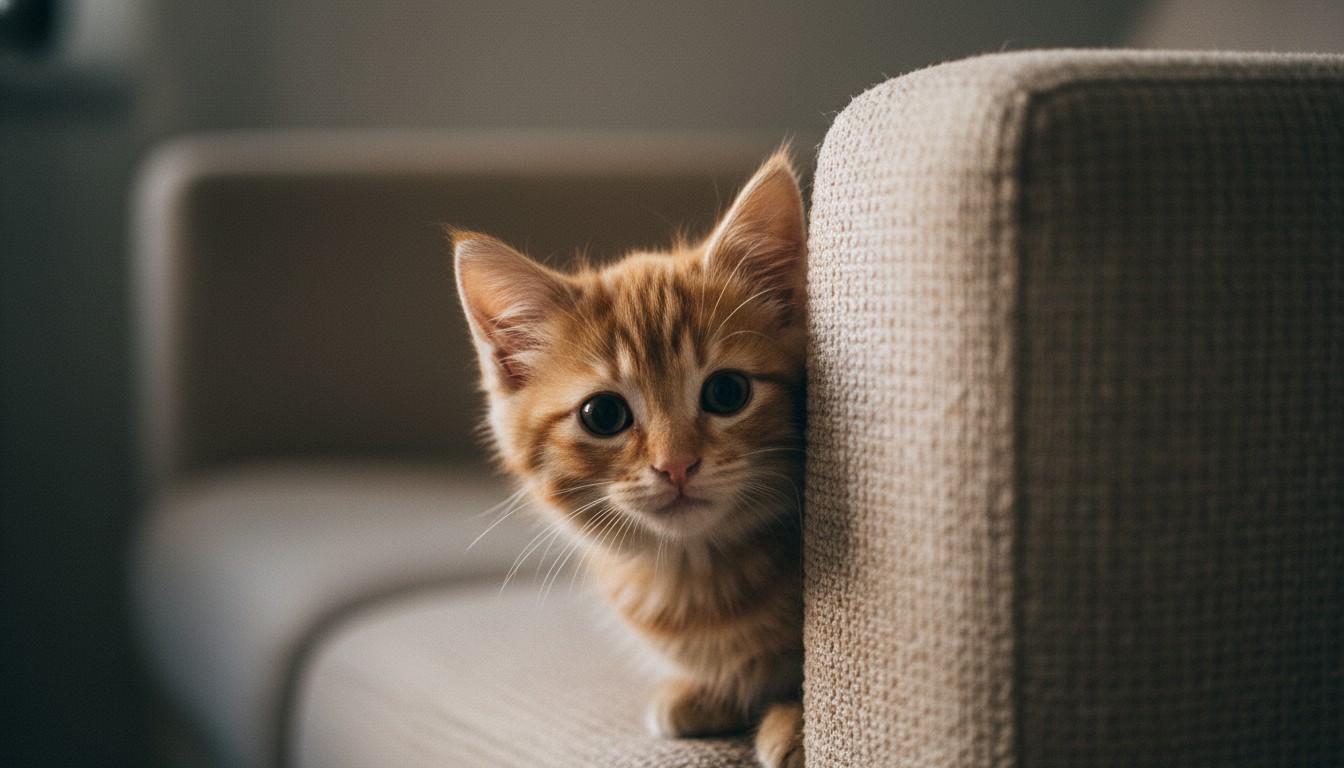
Kittens also experience these shifts, though they are often more subtle due to their unique developmental timeline. A kitten's primary socialization window is much shorter than a dog's, peaking between 2 and 7 weeks of age. While less documented than in canines, adolescent kittens frequently display 'spookiness' or increased hiding behaviors between 4 and 9 months. In both species, these periods are characterized by an 'all-or-nothing' response to stimuli that was previously ignored or accepted. Recognizing that this is a temporary physiological state helps owners remain patient and avoid labeling their pet as permanently fearful.

Identifying the Shift: Caution vs. Fear Periods
Distinguishing between a pet’s natural caution toward the unknown and a true developmental fear period is vital for proper intervention. General caution is logical: a puppy sees a cow for the first time and pauses to sniff. A fear period response is often illogical: a puppy sees the same mailbox they walk past every day and reacts with a 'spook'—lunging, barking, or attempting to bolt. You are looking for a sudden change in behavior toward familiar objects or environments.
Physical indicators include dilated pupils, ears pinned tightly back, a tucked tail, and 'whale eye' (where the whites of the eyes are visible). In kittens, look for a 'puffed' tail (piloerection), flattened ears, and a refusal to emerge from under furniture. If your pet displays these signs toward a stimulus that was previously benign, they are likely in a fear window. It is important to remember that during these 1-to-3-week periods, the animal’s perception of the world is skewed toward the negative. Forcing them to 'face their fear' by dragging them toward the object can result in flooding, a psychological state that cements the phobia rather than resolving it.
The Jolly Routine: Professional Management Protocols
When a pet reacts with fear, the human instinct is to coddle. We often use a high-pitched, soothing voice saying, 'It’s okay, baby, don't be scared.' However, in the world of animal behavior, this can inadvertently reinforce the pet’s state of mind. While you aren't 'rewarding' the fear in a traditional sense, your concerned energy confirms to the pet that there is indeed something to be worried about. Instead, professionals recommend the 'Jolly Routine.'
The Jolly Routine involves the owner acting as if the scary stimulus is the most entertaining thing in the world. If your puppy barks at a traffic cone, you should walk toward it (keeping a safe distance the pet is comfortable with) and talk to the cone in a happy, goofy voice, or start a game of fetch nearby. By modeling a playful, relaxed attitude, you provide a social cue that the environment is safe. You aren't forcing the pet to interact; you are simply changing the emotional context of the situation. If the pet chooses to investigate on their own, reward them with a high-value treat, but never lure them toward the scary object with food, as this can create a 'trap' where the pet oversteps their comfort level and panics.

Preventing Traumatic Imprinting
During fear periods, pets are susceptible to 'single-event learning.' This means one bad experience can create a permanent behavioral scar. For example, a painful vet visit or a local construction blast during a fear window can result in a lifelong fear of white coats or loud noises. For this reason, it is often recommended to avoid high-stress, elective events during these windows. If you notice your puppy is in a 'spooky' phase, it is wise to reschedule a non-urgent grooming appointment or a long-distance move by a week or two.
Management is the best tool for prevention. If you are walking and see a potential trigger—like a person in a bulky costume or a loud motorcycle—proactively create distance before your pet has a chance to react. By keeping the pet 'under threshold' (the point at which they start to panic), you prevent the brain from practicing the fear response. If an accident does happen and your pet is terrified, do not scold them. Simply move away calmly and quickly. The goal is to make the fear period as uneventful as possible. Once the window closes—usually after 14 days—you will likely find that your pet returns to their previous level of confidence.

Troubleshooting: When to Seek Professional Help
While most developmental fear periods pass with time and patient management, some pets may struggle more than others. If your puppy or kitten’s fear is 'generalized'—meaning they are afraid of everything, rather than specific objects—this may indicate a deeper anxiety issue or a lack of early socialization. Furthermore, if a fear period lasts longer than three or four weeks without any improvement, or if the pet becomes aggressive (growling, snapping, or biting) out of fear, it is time to consult a professional.
Start by visiting your veterinarian to rule out any underlying medical issues or pain that could be heightening the animal’s sensitivity. If the pet is healthy, seek out a certified professional dog trainer (CPDT-KA) or a certified applied animal behaviorist (CAAB). Look for professionals who use 'Fear Free' or 'Positive Reinforcement' methods. They can help you implement a systematic desensitization and counter-conditioning program. Early intervention is key; it is much easier to resolve a budding fear at 8 months old than it is to treat a deeply ingrained phobia at 4 years old. Remember, the goal of training is not just obedience, but emotional regulation.

FAQ
How long do developmental fear periods typically last?
Most developmental fear periods are short-lived, typically lasting between one and three weeks. During this time, it is important to maintain a consistent routine and avoid pushing the pet into overwhelming situations.
Can I accidentally make my pet's fear worse?
Yes, two common mistakes are 'flooding' (forcing the pet to face the fear) and excessive coddling. Flooding can cause trauma, while coddling can signal to the pet that you are also worried, validating their fear. Use the 'Jolly Routine' instead.
Do all puppies and kittens go through these stages?
Virtually all dogs go through at least one fear period, though the intensity varies by individual and breed. Kittens also experience these phases, but they are often less noticeable unless the kitten is significantly under-socialized.
Is it okay to use treats during a fear period?
Yes, but use them wisely. Avoid 'luring' a fearful pet toward something they are afraid of with food, as they may regret the decision once the food is gone. Instead, toss treats away from the scary object or reward the pet for choosing to look at the object calmly from a distance.
Conclusion
Navigating developmental fear periods is a standard, albeit stressful, part of raising a puppy or kitten. By recognizing these windows as biological milestones rather than personality flaws, you can provide the stable leadership your pet needs. Use the 'Jolly Routine' to model confidence, maintain distance from overwhelming triggers, and avoid high-stress events during peak 'spooky' weeks. Most importantly, remain patient—your pet is not trying to be difficult; they are simply trying to make sense of a world that suddenly feels uncertain. If you find the fear is escalating or becoming dangerous, do not hesitate to reach out to a certified animal behaviorist. With the right approach, these phases will pass, leaving you with a resilient, well-adjusted adult companion.
References & Sources
This article was researched using the following sources:

