














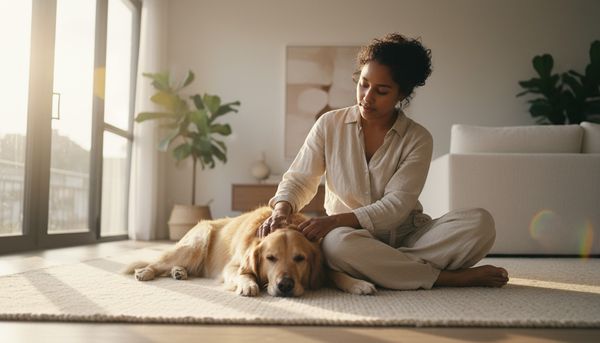
As a pet owner, you are the first line of defense in your animal's healthcare journey. While annual veterinary visits are essential, a weekly nose-to-tail at-home health exam allows you to establish a 'baseline' for what is normal for your specific pet. By performing a structured physical inspection every seven days, you can detect subtle changes—such as new lumps, dental issues, or joint sensitivity—long before they become clinical emergencies. This proactive approach transitions care from reactive treatment to preventative wellness. In this guide, we will detail the exact tactile techniques used by professionals to assess everything from hydration levels to lymph node health, ensuring you can provide your vet with precise information should an abnormality arise.
The Face and Mouth: Checking Vital Signs
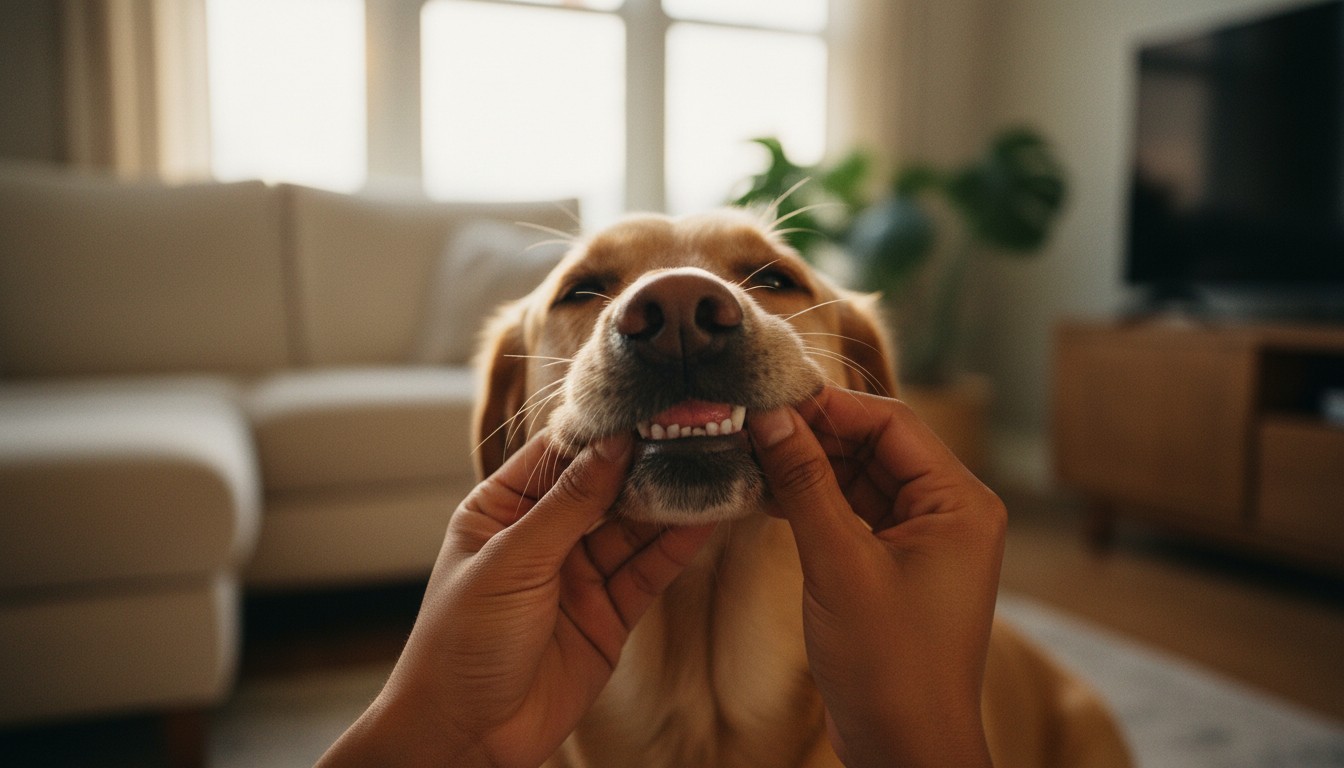
Begin your exam at the head, focusing on the eyes, nose, and mouth. Healthy eyes should be clear, bright, and free of discharge or excessive redness. Check the nose for unusual crusting or a change in texture. However, the most critical part of this section is the oral exam. Lift the lips to inspect the gums; they should be a healthy bubblegum pink.
To test circulation and hydration, perform a Capillary Refill Time (CRT) test. Press your finger firmly against the gum until the spot turns white (blanches), then release. The color should return to pink within 1.5 to 2 seconds. If it takes longer, or if the gums feel tacky or dry rather than slippery, your pet may be dehydrated. Additionally, check for 'turgor' by gently pinching the skin at the back of the neck. It should snap back instantly. A slow return can indicate significant fluid loss, which warrants a call to your veterinarian.
Tactile Skin Scan and Lymph Node Assessment
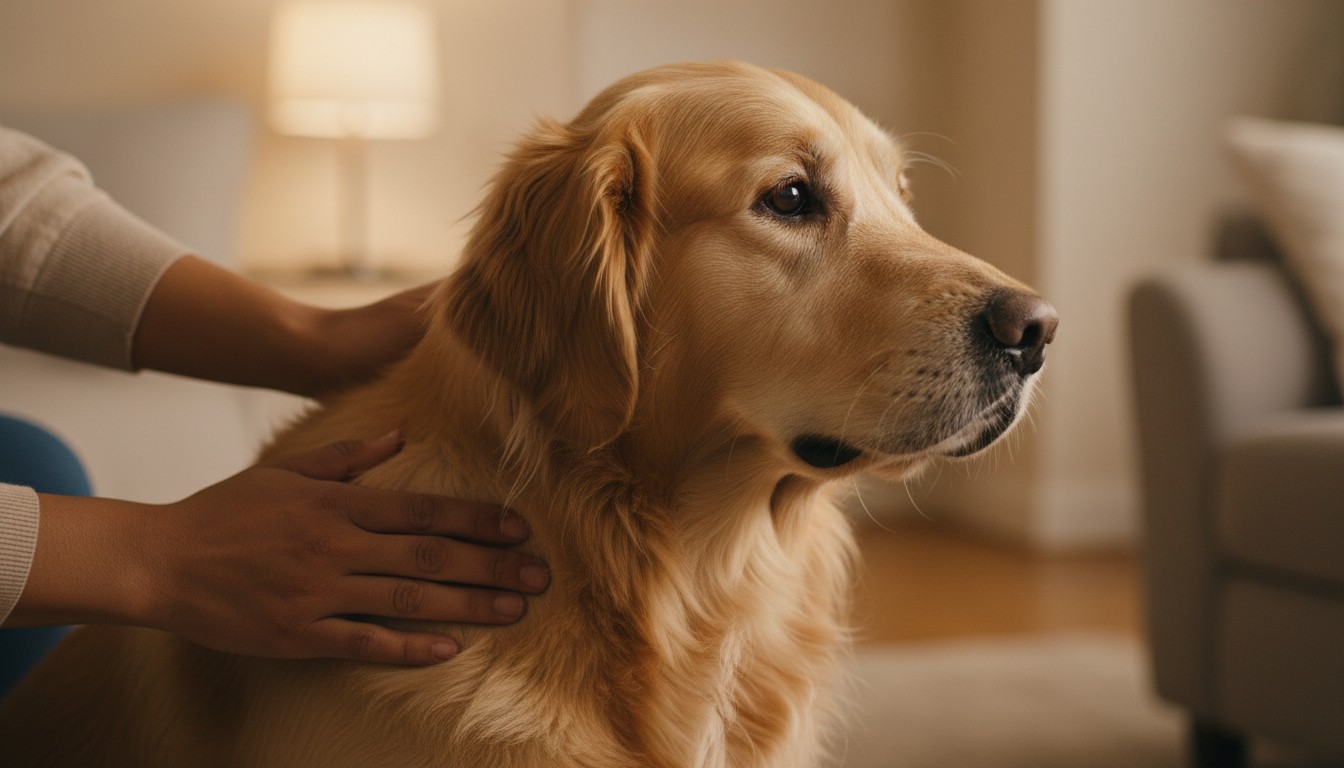
Move your hands slowly down the neck and shoulders. Use the flat pads of your fingers, rather than your fingertips, to feel for any new bumps, scabs, or areas of heat. This is the time to check the most accessible lymph nodes. In a healthy pet, these are usually difficult to feel or feel like small, slippery beans. The submandibular lymph nodes are located under the jaw where the neck meets the head. If they feel enlarged or hard, it may indicate a localized infection or immune response.
Continue the scan across the coat. A healthy coat should be shiny and the skin beneath should be supple and flake-free. Watch for 'hot spots' (moist, red areas) or evidence of parasites like flea dirt, which looks like small specks of black pepper. If you encounter a lump, do not panic, but do note its size (using a common object like a pea or marble for reference), its texture (soft vs. hard), and whether it moves freely under the skin or feels attached to the underlying tissue.
Abdominal Palpation and Spinal Alignment
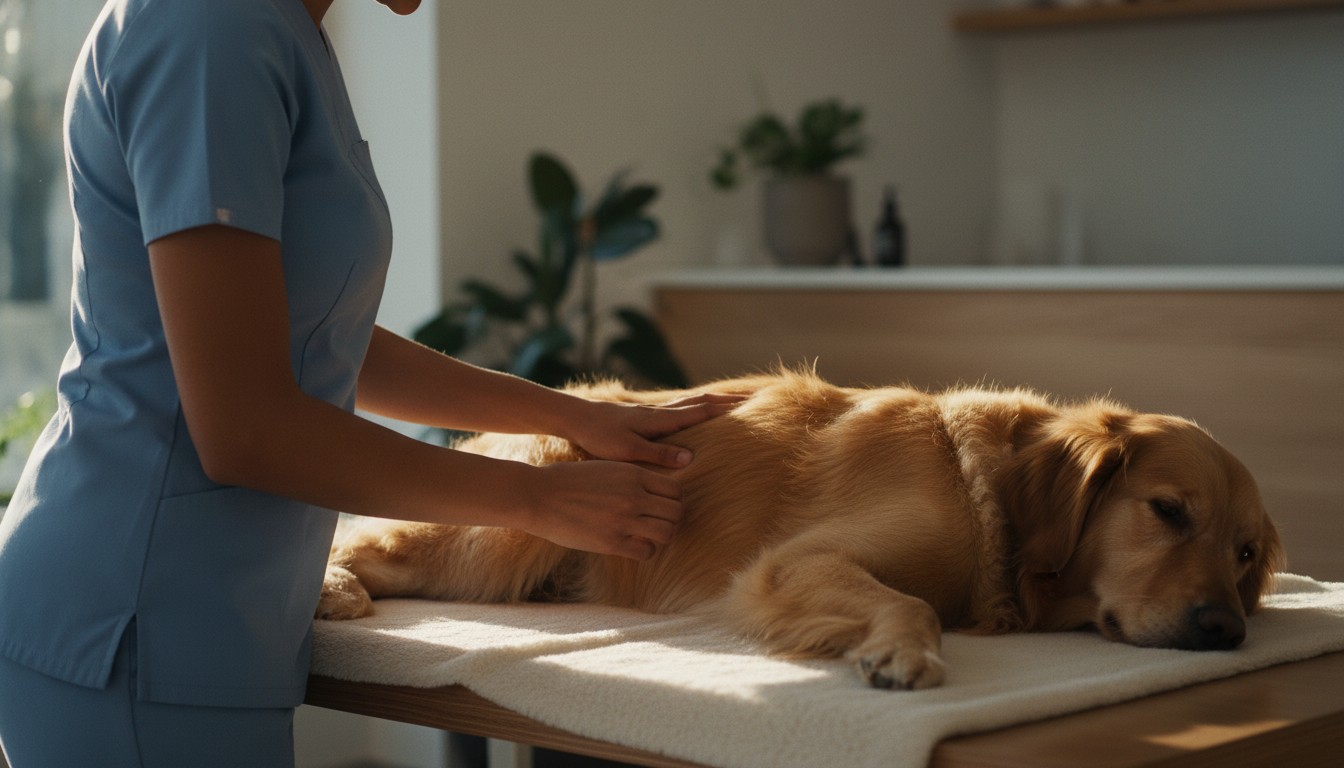
Assessing the torso requires a gentle touch. Place one hand on either side of the abdomen, just behind the ribs. Gently press your fingers inward to feel the internal area. A healthy abdomen should be soft and relaxed. If your pet tenses their muscles (guarding), groans, or tries to move away, they may be experiencing abdominal pain or bloating. Be careful not to press too hard, as you are looking for 'doughiness' or abnormal hardness rather than trying to poke individual organs.
Run your hand down the length of the spine, applying very light pressure on either side of the vertebrae. You are looking for 'dipping' or flinching, which can indicate disc issues or muscular strain. Pay close attention to the area where the lower back meets the tail, a common site for arthritis in older pets. Note any twitching of the skin or sudden changes in breathing during this process, as these are subtle indicators of discomfort that pets often try to hide.
Limbs, Paws, and Range of Motion
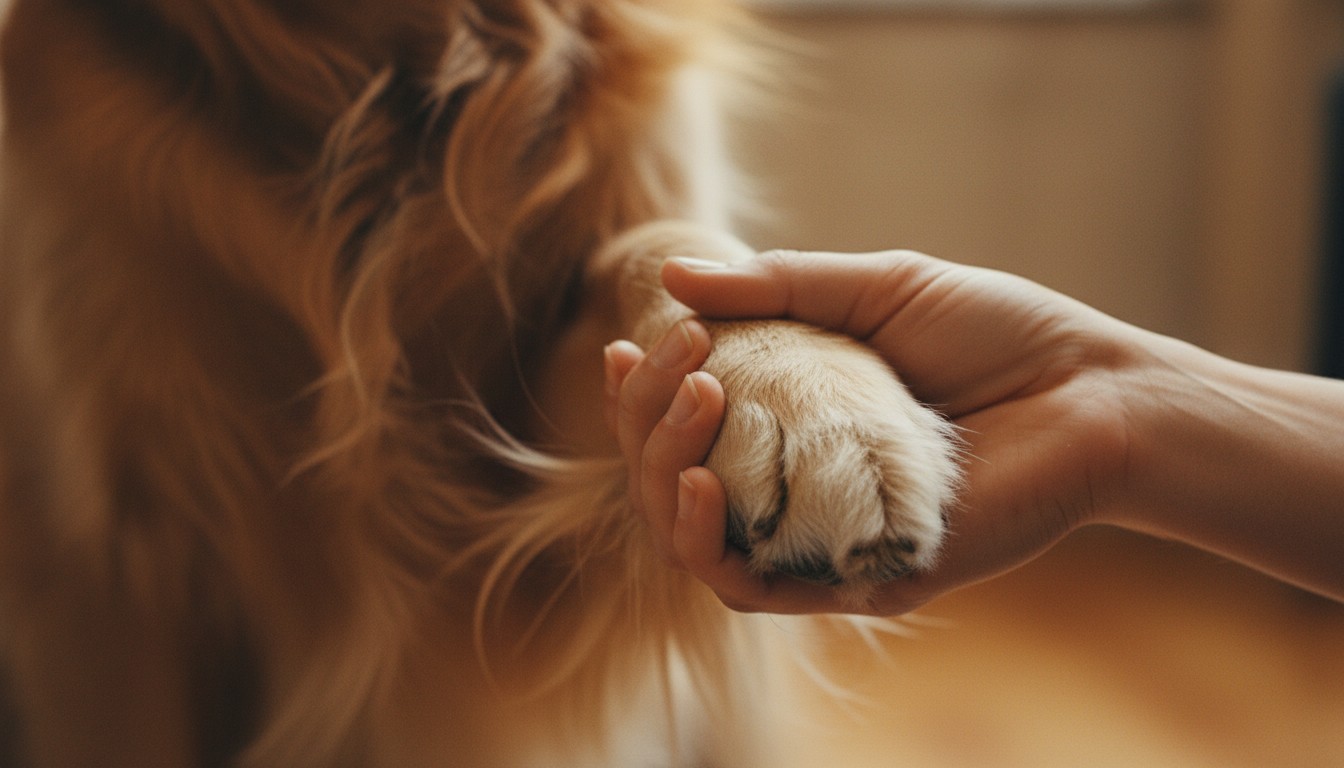
The final stage involves checking the extremities. Pick up each paw and check between the toes for cysts, burrs, or redness, which often indicates allergies or 'licking' behavior. Inspect the nails to ensure they aren't splitting or growing into the pads. Gently extend and flex each joint—the wrist, elbow, shoulder, and hip. You should feel a smooth range of motion without any grinding (crepitus) or resistance.
Check the temperature of the joints. A joint that feels significantly warmer than the surrounding limb may be inflamed. Finally, inspect the 'rear end' by lifting the tail. The area should be clean and free of redness or swelling. If your pet has been 'scooting' or if you notice a pungent, fishy odor, their anal glands may be full or impacted. Documenting these findings weekly helps you catch mobility issues like hip dysplasia or arthritis in their earliest, most treatable stages.
Troubleshooting: Managing a Wiggling Pet
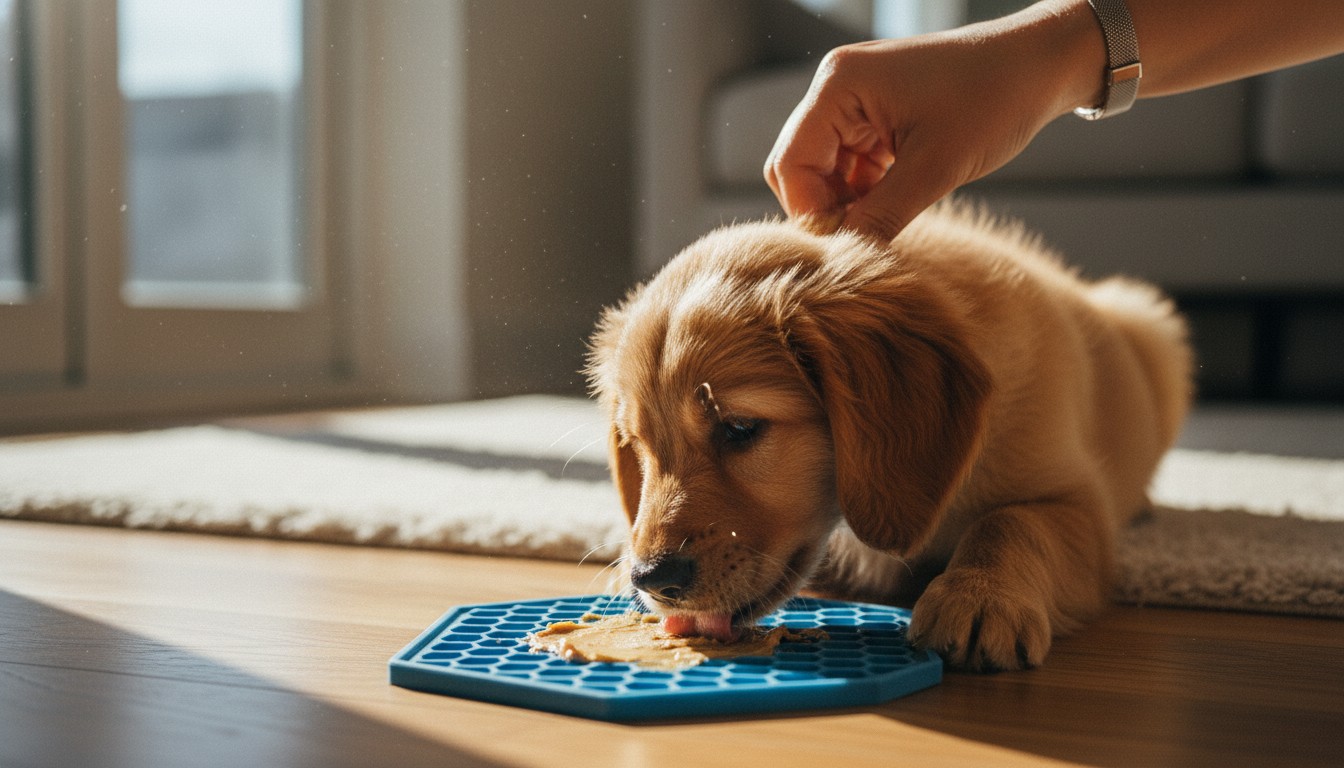
Not every pet will immediately tolerate a nose-to-tail at-home health exam. If your pet is wiggly or anxious, do not force the process. Break the exam into smaller sessions over two or three days. You might check the head and mouth on Monday and the paws and joints on Tuesday. Use high-value rewards, such as a lick mat covered in peanut butter or plain yogurt, to create a positive association with being handled.
If your pet shows signs of aggression—such as growling, lip curling, or snapping—stop immediately. This reaction is often a sign of significant pain rather than 'bad behavior.' In these cases, consult a professional trainer or your veterinarian to develop a 'cooperative care' plan. Remember, the goal is to make this a bonding experience that builds trust, not a source of stress for you or your animal companion.
FAQ
What should I do if I find a new lump during the exam?
First, don't panic, as many lumps are benign lipomas. Note the location, size, and whether it is hard or soft, then schedule a veterinary appointment for a Fine Needle Aspirate (FNA) to confirm the diagnosis.
How often should I really perform this exam?
Ideally, once a week. This frequency is high enough to catch rapid changes but spread out enough that it doesn't become a chore, helping you build a clear mental map of your pet's 'normal' state.
My pet's breath is very bad; is that part of the exam?
Yes. While 'dog breath' is common, an extremely foul or fruity odor can indicate dental disease, kidney issues, or diabetes. If the gums are also red or bleeding, it's time for a professional dental cleaning.
Conclusion
Performing a systematic nose-to-tail at-home health exam is one of the most impactful habits you can develop as a pet parent. By spending just ten minutes a week checking your pet’s vital signs, skin, and mobility, you move beyond the role of a provider and into the role of a proactive health advocate. Always keep a dedicated journal or use a digital app to record your findings, noting any changes in weight, lump size, or sensitivity. If you encounter any 'red flags'—such as pale gums, hard abdominal tension, or enlarged lymph nodes—contact your veterinarian immediately. This routine doesn't replace professional care, but it ensures that when your pet needs help, you'll be the first to know. Safety note: Always prioritize your safety and your pet's comfort; if an inspection causes distress, seek professional guidance on cooperative care techniques.
References & Sources
This article was researched using the following sources:

