














For many pet owners, choosing a harness is a matter of color, style, or brand reputation. However, achieving a perfect harness fit is actually a matter of biomechanics. A poorly fitted harness can do more than just cause minor discomfort; it can lead to long-term joint issues, skin irritation, and even permanent changes in how your dog moves. Most gear reviews focus on durability or aesthetics, but this guide looks under the hood at your dog's anatomy. By understanding how a harness interacts with the scapula, humerus, and ribcage, you can ensure your dog remains comfortable and mobile for years to come. Whether you are hiking rugged trails or walking through a local park, the right fit is the foundation of every safe adventure.
The Importance of Scapular Freedom in Harness Design
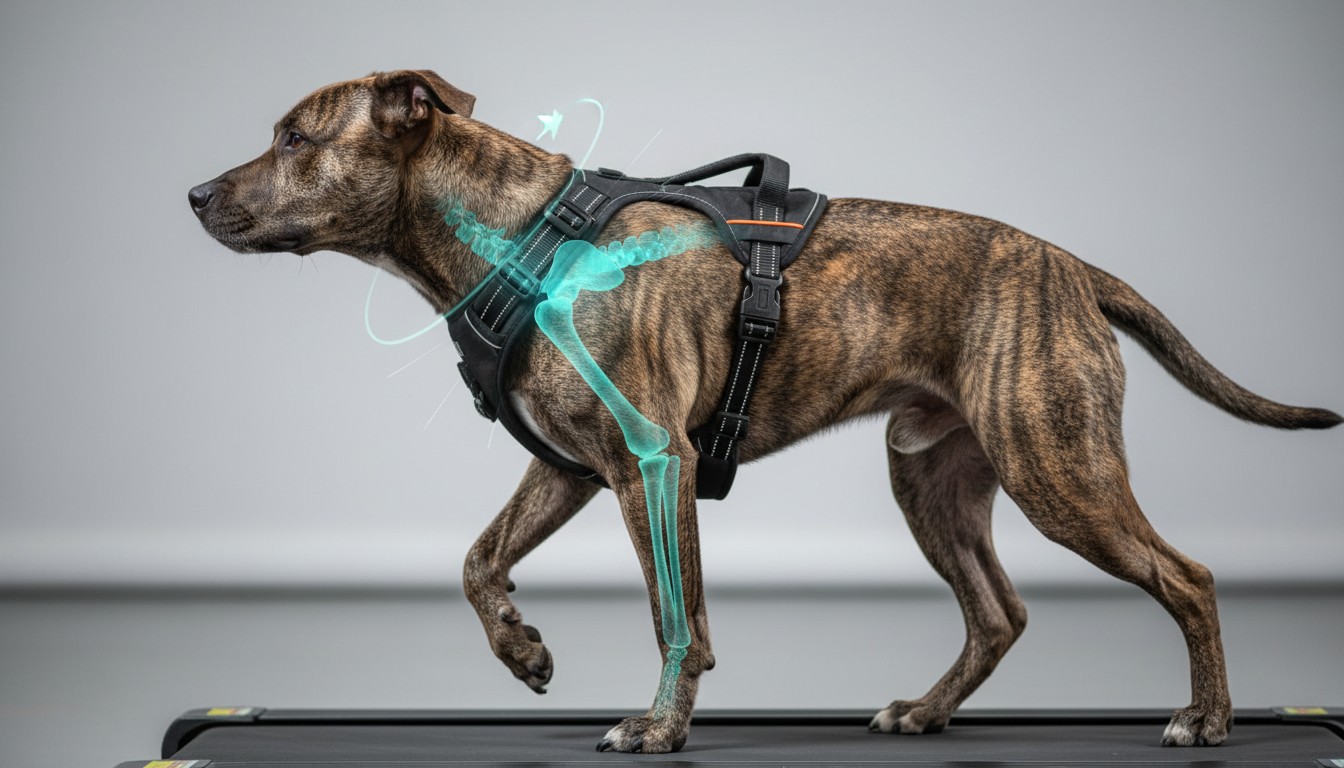
The most critical element of a harness is how it interacts with the shoulder blades, or scapulae. Unlike humans, dogs do not have a collarbone connecting their front limbs to their skeleton; the forelimbs are attached primarily by muscle and tendon. This allows for a wide range of motion, but it also makes the shoulder highly sensitive to external pressure. Many popular 'no-pull' harnesses feature a horizontal strap that sits across the chest. While effective at stopping pulling, this design often sits directly over the shoulder joint, physically blocking the dog from extending their leg forward. Over time, this can lead to a shortened gait and unnecessary strain on the elbows and spine. \n\nA Y-shaped harness is generally considered the gold standard for biomechanical health. In this design, the straps follow the lines of the dog's neck and meet at the sternum (the breastbone), leaving the shoulder blades completely free to rotate. When checking for a perfect harness fit, you should be able to see the shoulder joint moving unimpeded as the dog walks. If the strap sits on the 'point' of the shoulder, it is likely too low. Conversely, if it sits too high, it may press against the windpipe. Aim for a balance where the straps rest on the hard muscle and bone of the chest and shoulders without crossing the soft tissue of the neck or the mobile parts of the joint.
Precise Measurements: The Foundation of Fit
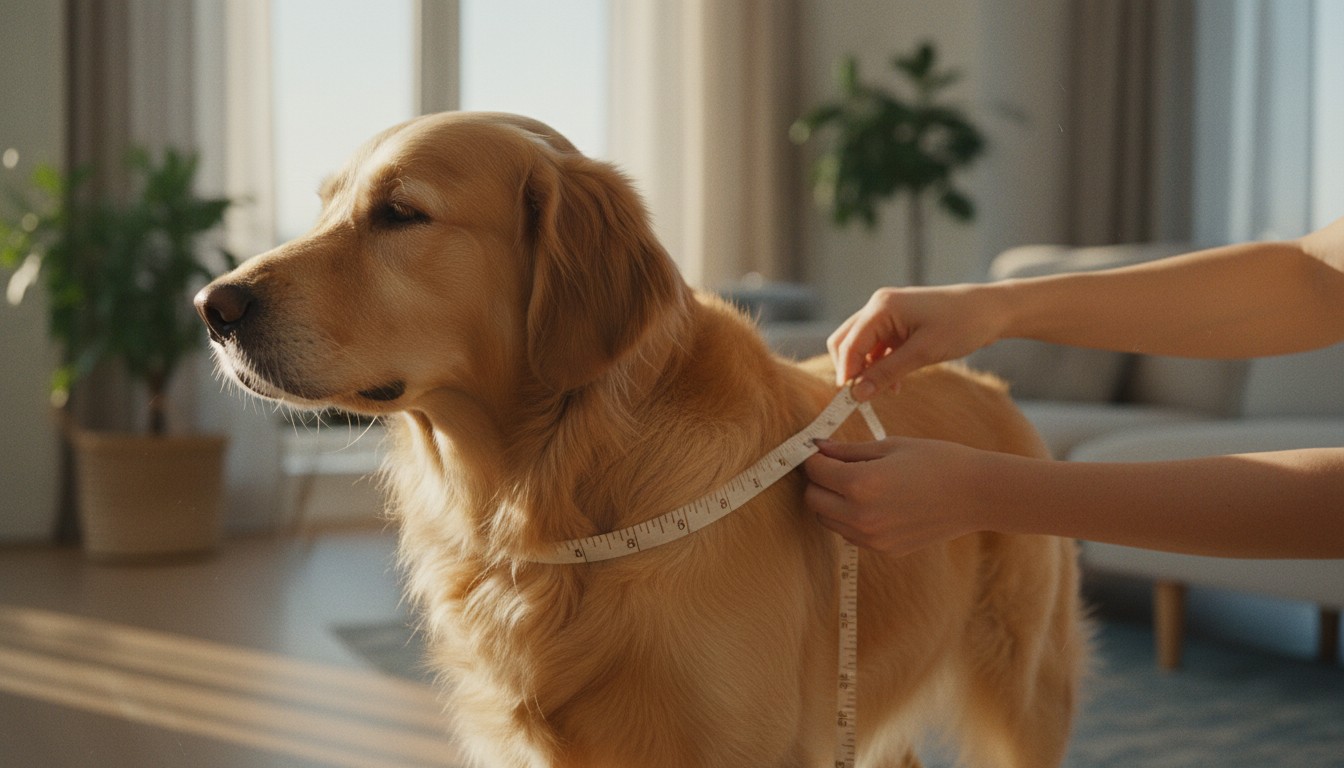
Before purchasing any gear, you must take accurate measurements using a soft tailor's tape. Relying on weight or breed averages is a common mistake, as dogs of the same breed can have vastly different chest depths and neck circumferences. Start by measuring the base of the neck. This is not where a standard collar sits; instead, follow the line where the neck meets the shoulders. Next, measure the 'girth'—the widest part of the ribcage. For most dogs, this is about 2 to 3 inches (5 to 7.5 cm) behind the front legs. Measuring too close to the armpits will result in a harness that chafes, while measuring too far back can put pressure on the sensitive floating ribs. \n\nThe third measurement, often overlooked, is the length of the chest piece. This is the strap that runs between the front legs. If this piece is too short, it will pull the girth strap forward into the dog's armpits, causing painful friction. If it is too long, the harness may shift side-to-side or sit too far back on the belly. A well-designed harness should allow for at least two to three fingers of space between the back of the front leg and the start of the girth strap. This 'clearance' ensures that when the dog moves, their elbows do not rub against the webbing or buckles. Record these measurements in both inches and centimeters to easily compare against various manufacturer size charts, which often vary significantly.
The Three-Point Inspection: Neck, Ribs, and Sternum
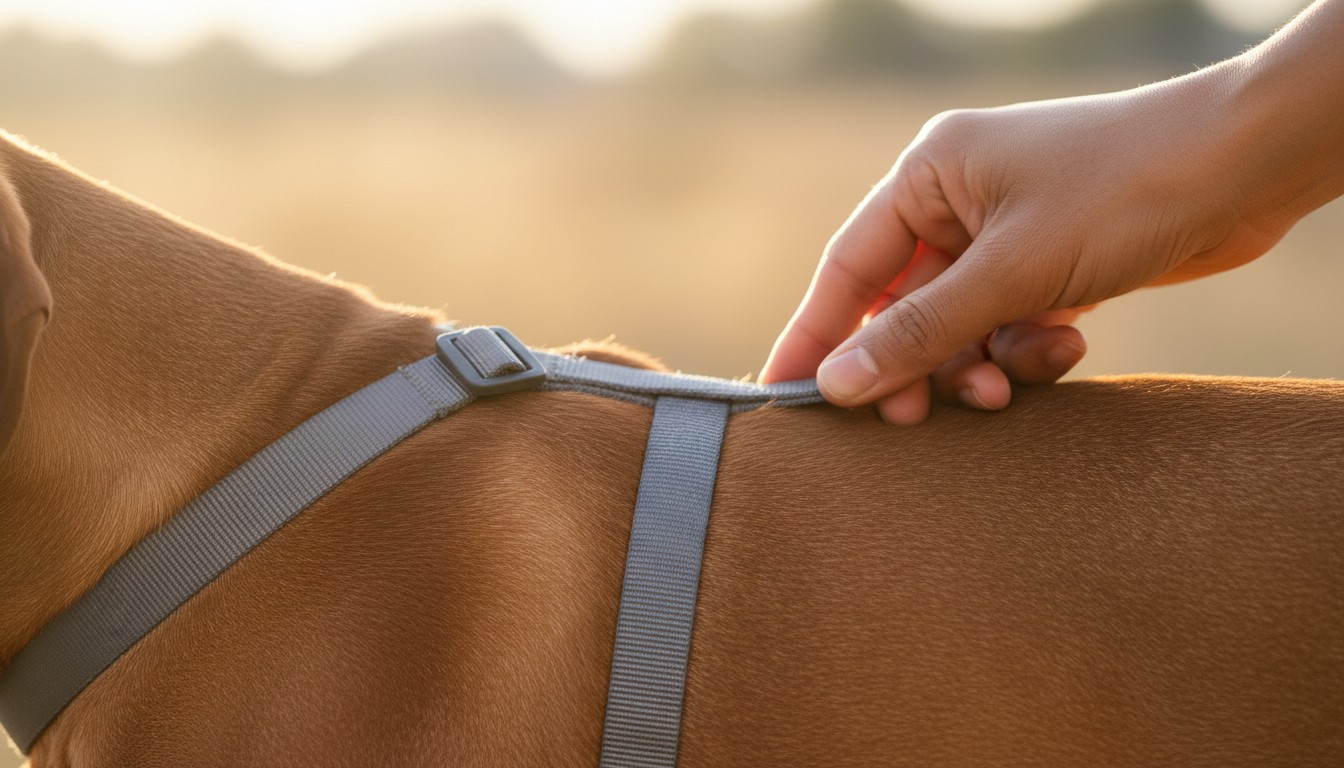
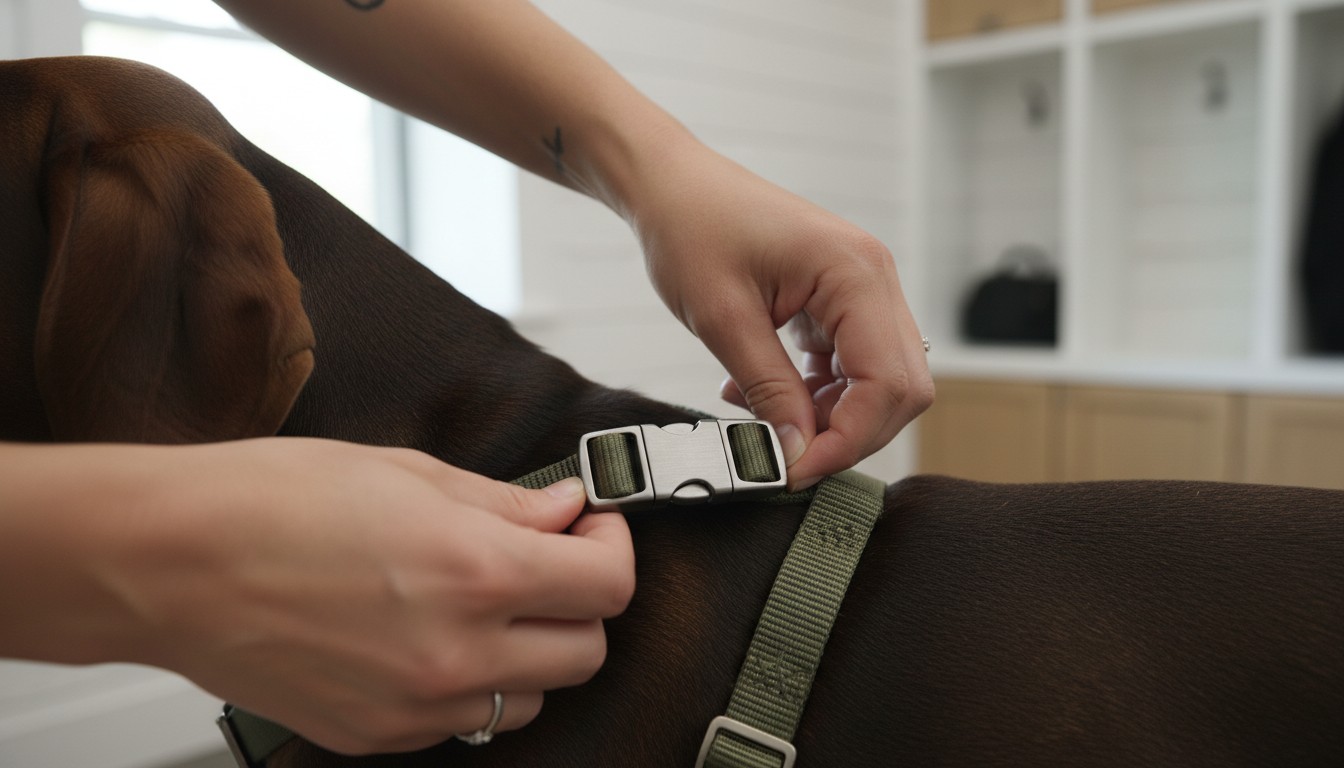
Once the harness is on the dog, you must perform a physical check while the dog is in different positions: standing, sitting, and lying down. The most famous rule is the 'two-finger rule.' You should be able to fit two fingers flat between the harness and the dog's body at any point. If you can fit more, the harness is too loose and may allow the dog to back out or cause the material to shift and rub. If you cannot fit two fingers, it is too tight and will restrict breathing and movement. Check the neck first; the harness should sit on the 'neck-shoulder' junction. If the dog bows their head and the harness gapes significantly, the neck opening may be too large. \n\nNext, check the sternum. The center point of the 'Y' should sit directly on the hard breastbone. If it sits higher, it is pressing on the trachea, which can cause coughing or gagging. Finally, check the girth. The girth strap should be snug enough that it doesn't rotate around the dog's torso but loose enough that it doesn't create 'rolls' of skin. Pay special attention to the buckles; ensure they are not pressing directly into the ribs or the sensitive skin of the armpits. Many high-quality harnesses include padded 'wings' or sleeves that sit behind the buckles to prevent this specific type of discomfort. This three-point inspection is the hallmark of a perfect harness fit and should be repeated every time the harness is adjusted or after the dog has been groomed or lost/gained weight.
Analyzing Gait: How to Spot a Restrictive Fit
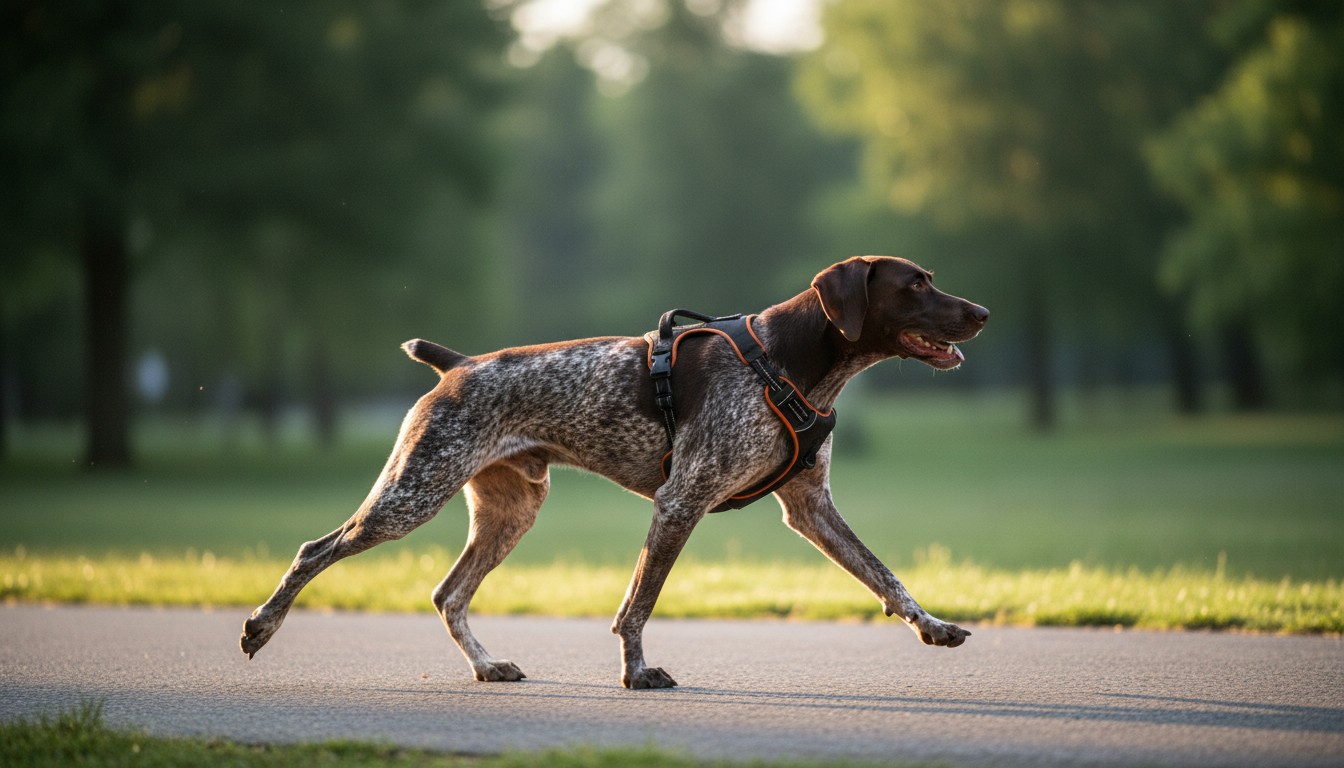
The final test of a harness happens in motion. A dog’s natural gait should be fluid and symmetrical. To verify the fit, walk your dog on a flat surface at a steady pace and observe them from the side and the rear. Watch for 'short-stepping,' where the front legs do not reach as far forward as they normally would. This is a classic sign that the shoulder is being restricted. Another red flag is a change in the 'topline' or the curve of the back. If a dog finds a harness uncomfortable, they may arch their back or tuck their tail to avoid pressure. \n\nYou should also look for 'pacing'—a two-beat gait where the legs on the same side move together. While some breeds pace naturally, a sudden shift from a trot to a pace when wearing a harness often indicates that the gear is interfering with the dog's normal range of motion. Listen for the sound of the dog's nails on the pavement; uneven clicking can suggest the dog is favoring one side or changing their footfall to avoid a rubbing strap. If you notice any of these signs, stop and readjust. Sometimes a simple loosening of the neck straps or a tightening of the girth can realign the harness and restore a natural, healthy gait. If the restriction persists despite adjustments, the harness geometry may simply be incompatible with your dog's specific body shape.
Troubleshooting Common Fit Issues and Escape Risks
Even with careful measurement, problems can arise. One of the most common issues is 'backing out,' where a dog ducks their head and pulls backward to slip out of the harness. This usually happens because the neck opening is too large or the girth is too loose. If you have a 'flight risk' dog or one with a narrow head (like a Greyhound), consider a three-strap harness that includes an extra safety strap around the waist. Another frequent problem is chafing in the 'armpit' or axilla area. This is almost always caused by the girth strap being positioned too far forward. Using a harness with a longer chest piece (the strap between the legs) will shift the girth strap further back onto the ribcage, solving the friction issue. \n\nIf you notice your dog is suddenly reluctant to have the harness put on—avoiding eye contact, hiding, or moving away—treat this as a sign of physical discomfort. Check for 'hot spots,' broken hairs, or redness under the straps. Sometimes, the material itself is the problem; dogs with sensitive skin may react to coarse nylon and might require a harness lined with fleece or padded neoprene. For growing puppies or dogs with significant seasonal coat changes, check the fit weekly. A harness that fit perfectly a month ago may now be too tight. If you have a dog with a unique orthopedic condition, such as hip dysplasia or a history of shoulder injury, consult a veterinary physical therapist to ensure your chosen gear supports their specific movement needs without adding stress to compromised joints.
FAQ
How can I tell if my dog's harness is too tight?
Apply the 'two-finger rule': you should be able to fit two fingers flat between the strap and your dog's body without forcing them. If the skin is bulging around the straps or if your dog seems restricted in their breathing, it is too tight.
Is it better for a harness to be loose or tight?
A harness should be snug but not restrictive. A loose harness can cause painful chafing as the material rubs against the skin and allows the dog to potentially escape or 'back out' by pulling their head through the neck opening.
Why does my dog's harness keep sliding to one side?
Sliding is often caused by an uneven adjustment of the side straps or a chest piece that is too long for the dog's frame. If the harness continues to slip after balancing the straps, it may be the wrong size or an incompatible shape for your dog's deep or narrow chest.
Are no-pull harnesses bad for a dog's shoulders?
Harnesses with a horizontal strap across the chest (T-shape) can restrict shoulder extension. While useful for short-term training, a Y-front harness with a front-clip attachment is generally better for long-term biomechanical health as it leaves the shoulder joints free to move.
Conclusion
Achieving a perfect harness fit is an ongoing process of observation and adjustment. By prioritizing scapular freedom and using precise measurements, you protect your dog from the hidden costs of restrictive gear. Remember to perform regular checks, especially after long walks or changes in your dog's activity level. If you notice signs of skin irritation or changes in gait that don't improve with adjustment, it may be time to try a different style of harness or consult a professional. Safety should always come first; if your dog is a known escape artist, prioritize security features like a third belly strap. Ultimately, a well-fitted harness should be a tool that enhances your dog's freedom, not one that limits it. For complex cases involving injury or unique body types, seeking the advice of a canine rehabilitation specialist is always a wise investment in your dog's long-term health.
References & Sources
This article was researched using the following sources:

