














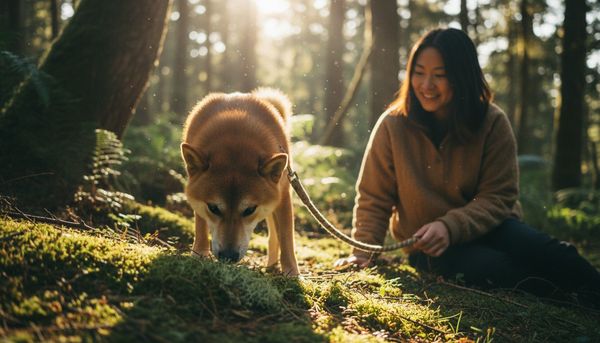
For years, dog owners have viewed the daily walk as a purely physical endeavor. We measure success in miles logged or calories burned, often tugging our companions along to maintain a steady 'heel.' However, emerging research into canine biology suggests we may be overlooking the most vital part of their journey: their nose. Decompression walks offer a radical shift in perspective, prioritizing olfactory stimulation over total distance. By allowing a dog to lead with their senses, we tap into a biological feedback loop that regulates their nervous system and lowers stress. These 'sniff-led' adventures are not just a luxury; they are a critical tool for mental health, providing a level of cognitive engagement that a brisk trot on a short leash simply cannot replicate.
The Neurological Power of the Canine Nose
To understand why decompression walks are so effective, we must first look at the canine brain. A dog's sense of smell is roughly 10,000 to 100,000 times more acute than a human's. While humans rely primarily on vision, dogs possess an olfactory bulb that is, proportionally, forty times larger than ours. Approximately one-third of a dog's brain is dedicated to processing scents. When a dog sniffs, they aren't just identifying a smell; they are gathering a complex narrative of their environment, including who was there, their health status, and even how long ago they passed by.
This intense processing requires significant cognitive energy. Unlike physical exercise, which primarily engages the muscular system, olfactory stimulation activates the forebrain. This is why ten minutes of active sniffing can be more exhausting for a puppy or a high-energy dog than a thirty-minute run. By allowing your dog to 'read the news' through their nose, you are providing a form of mental work that satisfies their biological drive. Ignoring this need can lead to frustration and behavioral issues, as the dog is physically tired but mentally under-stimulated.
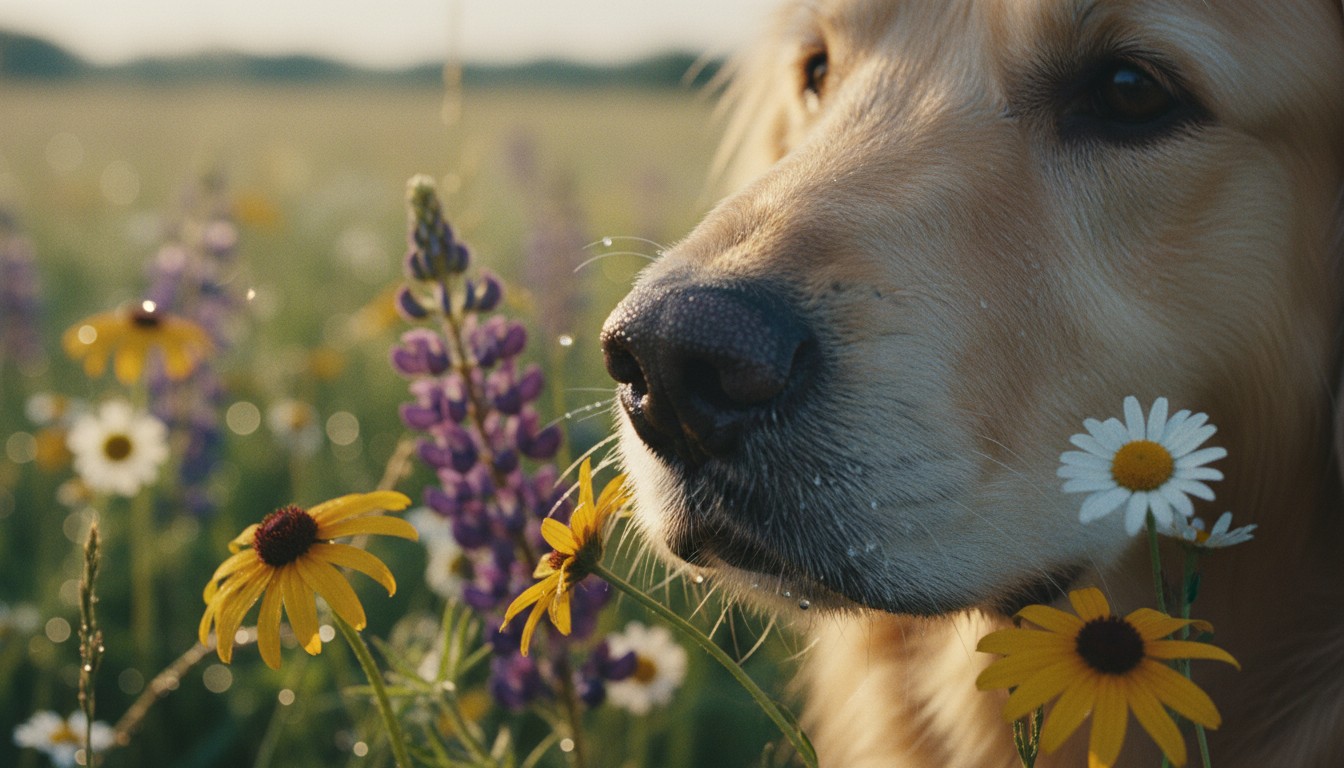
From Cortisol to Calm: The Science of Stress Reduction
The primary goal of decompression walks is to move the dog from a state of high arousal to a state of relaxation. Modern life is full of 'micro-stressors' for dogs: delivery trucks, sirens, and crowded sidewalks. These experiences trigger the sympathetic nervous system—the 'fight or flight' response—leading to elevated cortisol levels. Physical exercise like chasing a ball can actually keep these levels high because of the adrenaline involved. In contrast, sniffing has been scientifically shown to lower a dog's heart rate and promote the parasympathetic nervous system, which governs 'rest and digest' functions.
A landmark study published in 'Applied Animal Behaviour Science' found that dogs who spent more time sniffing during their walks showed significant decreases in heart rate compared to those kept on a tight leash. This biological shift is the essence of decompression. When the dog lowers their head to explore a scent, they are physically and neurologically disengaging from the stressors of their environment. This practice helps 'reset' their emotional baseline, making them more resilient to triggers they might encounter later in the day. It is not just about the walk itself, but the long-term hormonal balance that olfactory work provides.
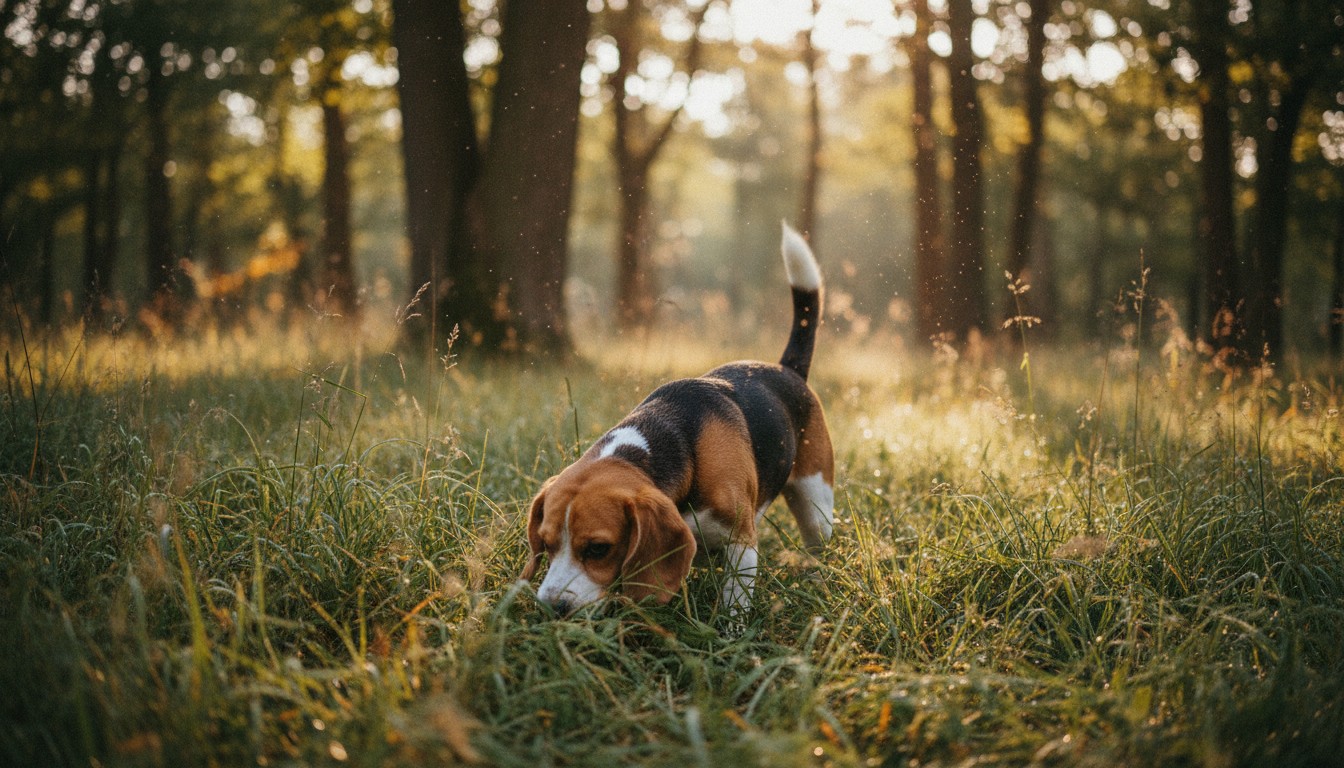
Physical Fatigue vs. Mental Satisfaction
Many owners prioritize distance because they believe a tired dog is a well-behaved dog. While physical activity is important, there is a distinct difference between being physically exhausted and being mentally satisfied. A dog that is run for five miles (8 kilometers) on a short leash may return home with tired muscles, but if their brain hasn't been engaged, they may still display 'zoomies,' pacing, or destructive chewing. This is because their cognitive 'cup' is still empty. They have essentially become an athlete with no outlet for their intelligence.
Decompression walks bridge this gap by focusing on quality of movement rather than quantity of miles. On these walks, the human's role is to be a tether rather than a navigator. By following the dog's lead, you allow them to choose the pace and the direction, which fosters a sense of agency. This autonomy is a powerful tool for building confidence, especially in fearful or rescued dogs. When a dog is allowed to make choices and solve the 'puzzles' of the environment through their nose, they achieve a state of mental fatigue that leads to deep, restorative sleep rather than just physical collapse.
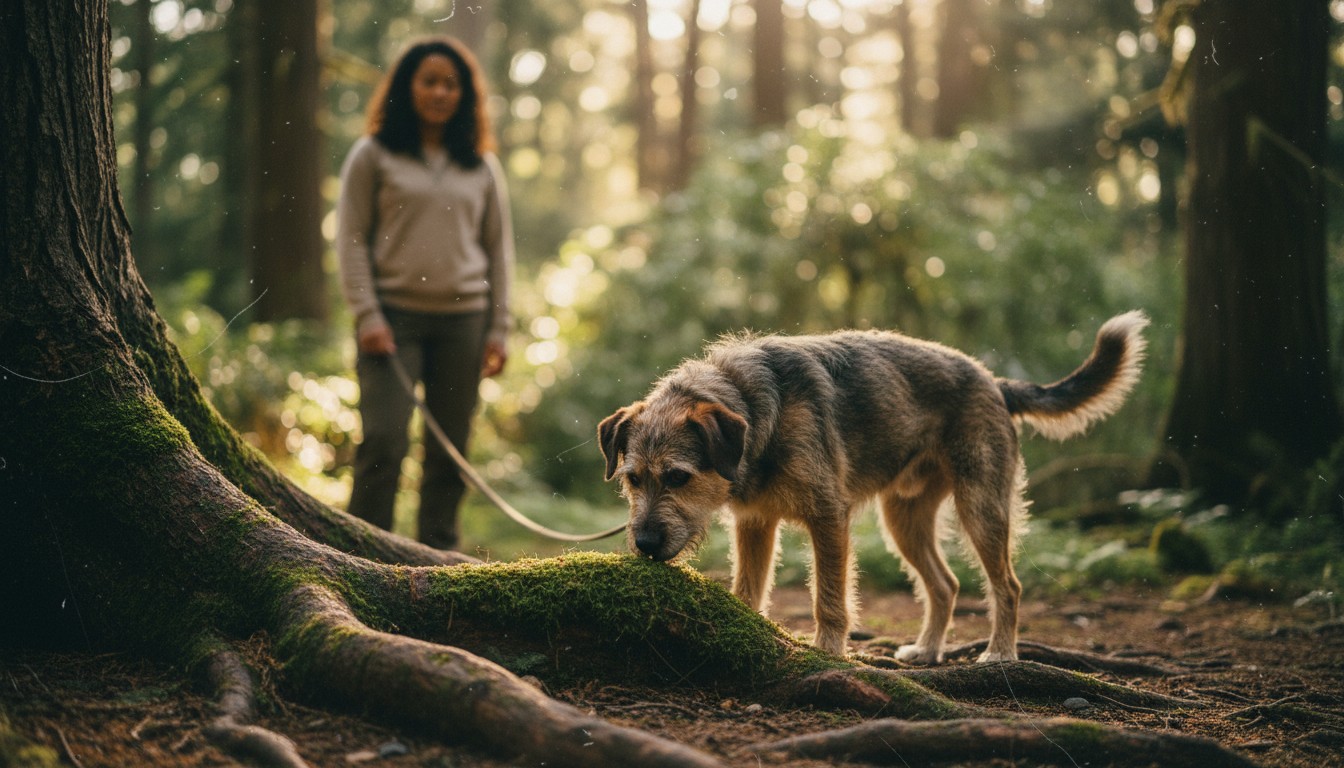
Gear and Structure: Setting Up for Success
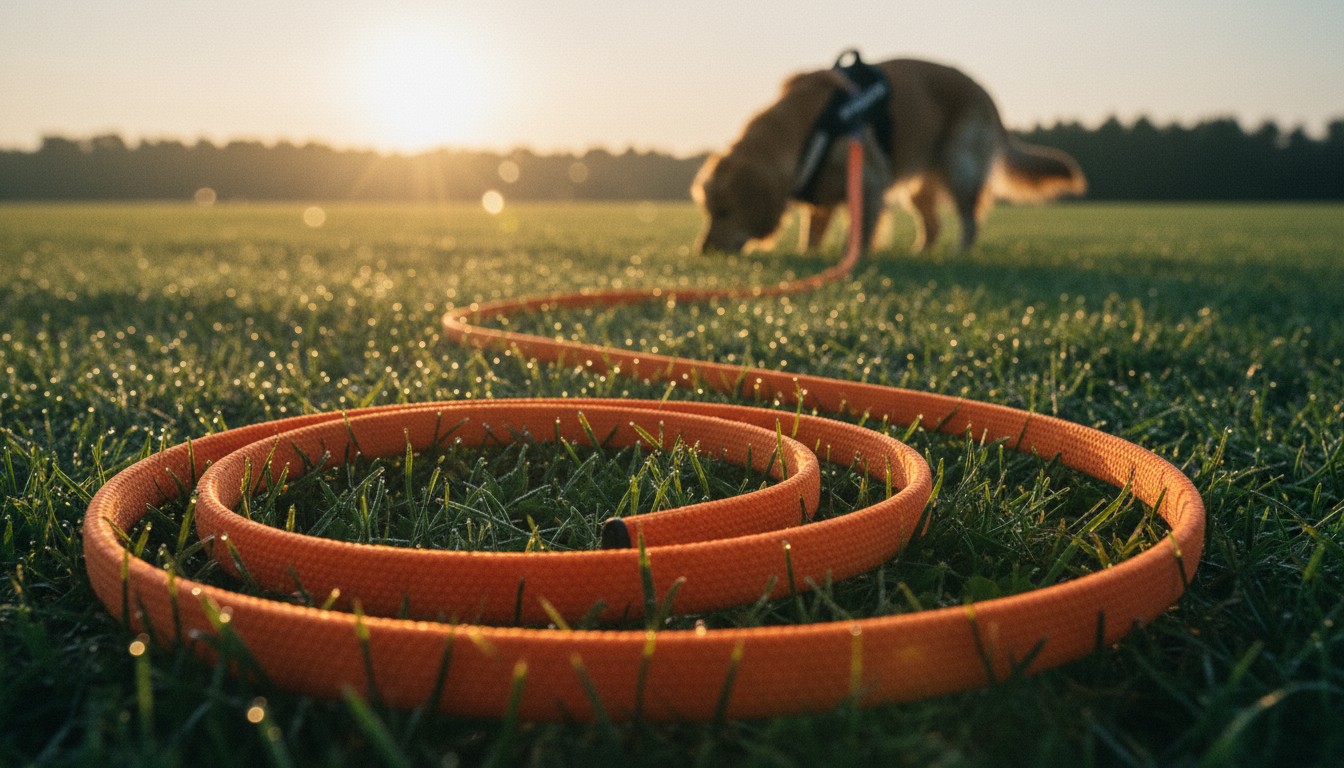
To facilitate a true decompression walk, you need the right equipment. A standard 6-foot (1.8 meter) leash is often too restrictive, as it forces the dog to stay within our immediate bubble and often leads to tension. Instead, experts recommend a long line, typically between 15 to 30 feet (4.5 to 9 meters). This extra length allows the dog to move at their natural pace—which is usually faster than ours—and explore away from the path without feeling the constant pull of the leash. For safety, a long line should always be attached to a comfortable, Y-shaped harness rather than a collar to prevent neck injuries if the dog reaches the end of the line.
The environment is equally important. A busy city street is rarely a good location for decompression because the sheer volume of stimuli can be overwhelming. Instead, look for 'low-traffic' areas such as quiet parks, hiking trails, or even an empty school field during off-hours. The goal is to find a place where the dog can safely disengage from the world and focus entirely on their nose. The walk should be 'dog-led,' meaning if they want to stand in one spot and sniff a single blade of grass for five minutes, you let them. You aren't walking to get somewhere; you are walking to let them 'be' somewhere.
Troubleshooting and Navigating Safety
While the concept is simple, implementation can sometimes be tricky. One common issue is 'statue-ing,' where a dog becomes so absorbed in a scent or a distant sight that they stop moving entirely. In these moments, avoid the urge to yank the leash. Instead, use a gentle verbal cue or wait patiently; often, the dog is simply processing information. Another challenge is over-arousal. If your dog becomes frantic, spinning or lunging on the long line, they may actually be over-stimulated by the environment. In this case, shorten the distance of the walk or find an even quieter location.
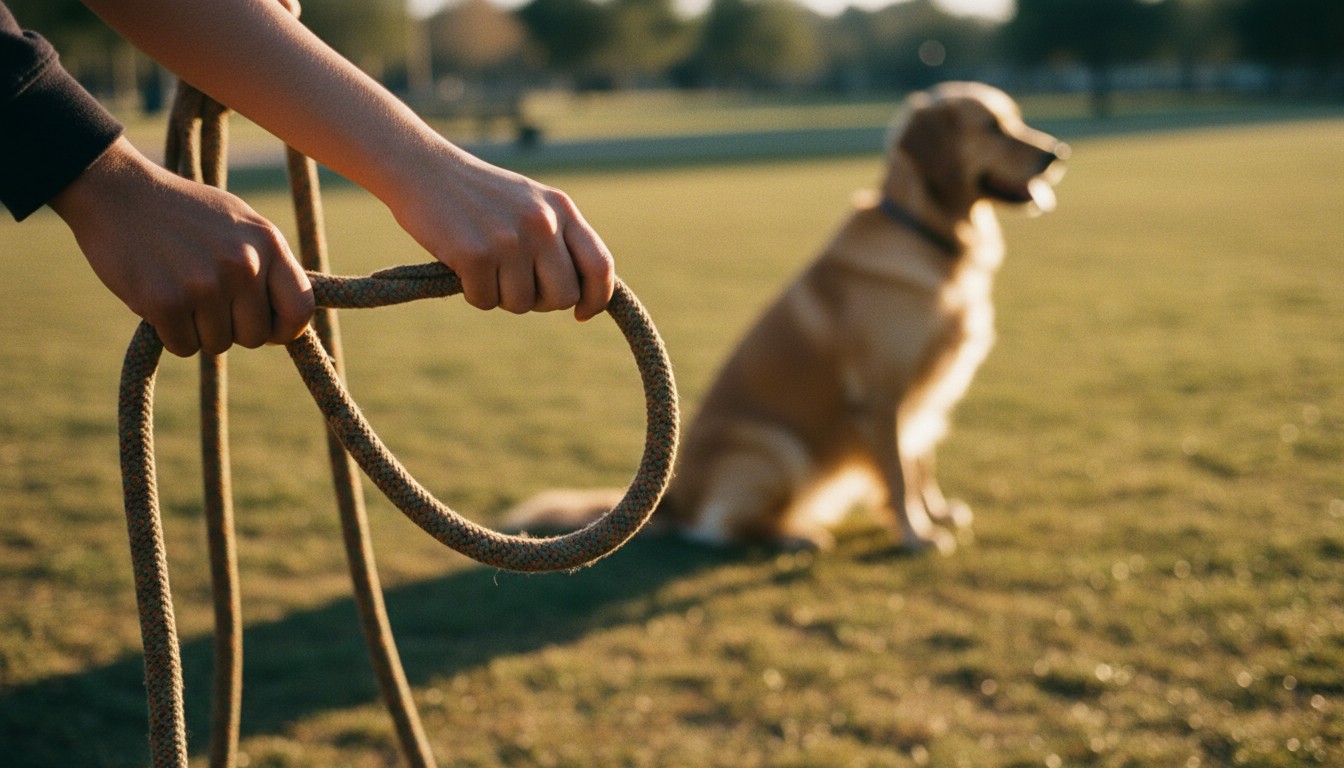
Safety is paramount when using long lines. Never use them in high-traffic areas where they could trip pedestrians or get tangled in bicycles. Always keep two hands on the line to maintain control, and learn how to 'accordion' the leash—gathering and releasing it as the dog moves—to prevent it from dragging or snapping tight. If your dog has a high prey drive or is highly reactive to other dogs, decompression walks might require more careful planning, such as walking during 'off-peak' hours or using a fenced-in 'Sniffspot' where they can be off-leash safely. If you find your dog is consistently unable to relax even in quiet areas, it may be time to consult a certified animal behaviorist to address underlying anxiety.
FAQ
Are decompression walks better than a standard walk?
Neither is 'better,' as they serve different purposes. Standard walks are great for habituation and exercise, while decompression walks are essential for mental health and stress relief. Most experts recommend a balance of both.
How long should a decompression walk last?
The duration depends on the dog, but 20 to 45 minutes is usually sufficient. Because sniffing is so mentally taxing, many dogs will be more tired after a 30-minute sniff-led walk than a 60-minute brisk walk.
What if my dog just wants to stand in one spot?
That is perfectly fine! On a decompression walk, the dog is the boss. If they find a particularly interesting scent, allowing them to process it fully provides more mental benefit than forcing them to keep moving.
Conclusion
Transitioning to a routine that includes decompression walks can fundamentally change your relationship with your dog. By prioritizing their biological need for olfactory exploration, you are providing a form of mental enrichment that addresses the root causes of many behavioral issues, such as anxiety and over-arousal. While it may feel counterintuitive to walk shorter distances at a slower pace, the cognitive drain on your dog will result in a much calmer, more satisfied companion at home. Start small, perhaps replacing just two of your weekly standard walks with a dedicated 'sniffari.' As you observe the benefits, you will likely find that these moments of shared exploration become the most rewarding part of your day. For dogs with severe anxiety or reactivity, always consult a certified professional trainer to ensure your decompression sessions are structured for safety and success. Always prioritize your dog's safety by using appropriate gear and choosing environments that match their current comfort level.
References & Sources
This article was researched using the following sources:

